The Slovak University of Agriculture in Nitra is establishing a Biodome facility dedicated to advanced research and development in plant cultivation
16.04.2026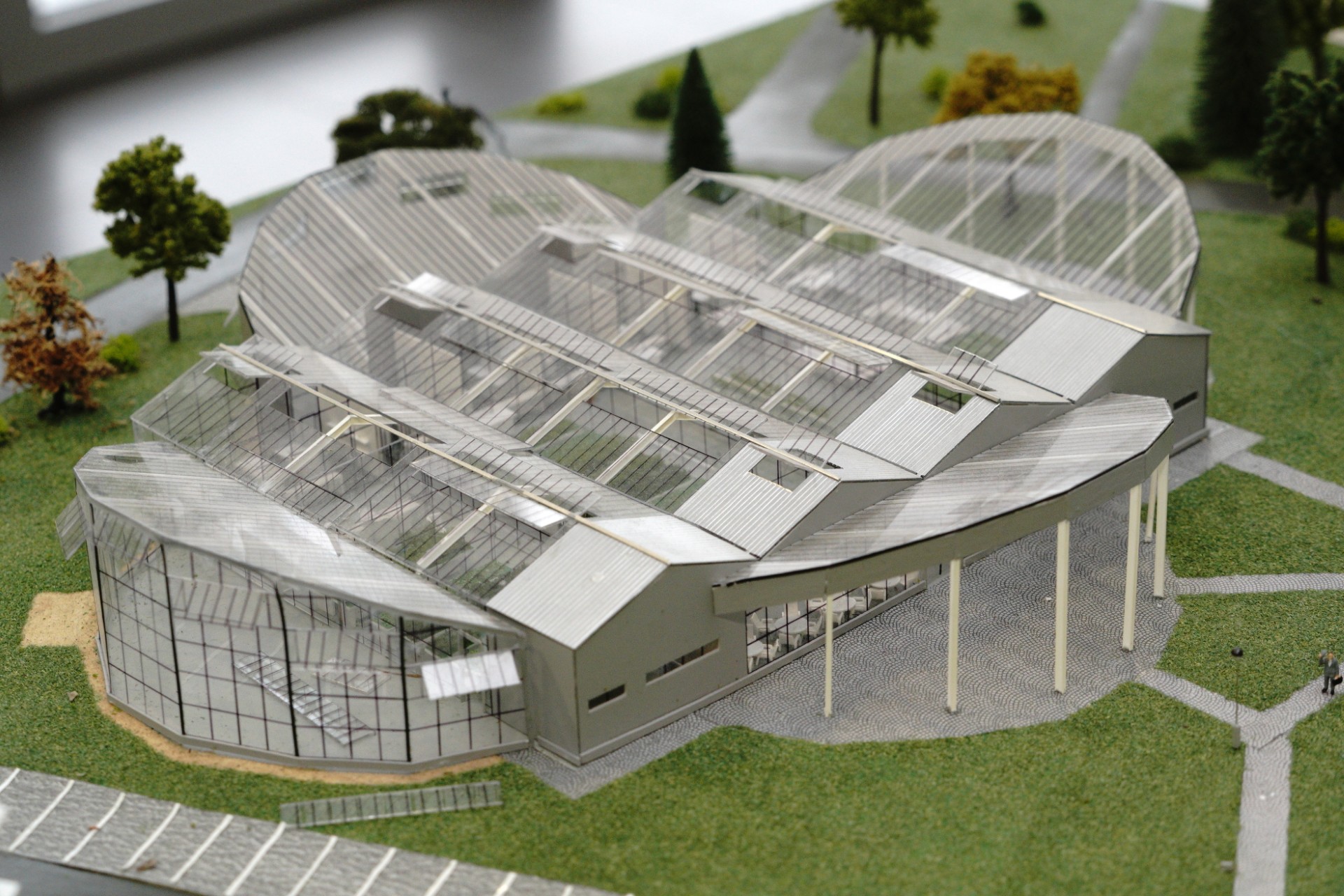
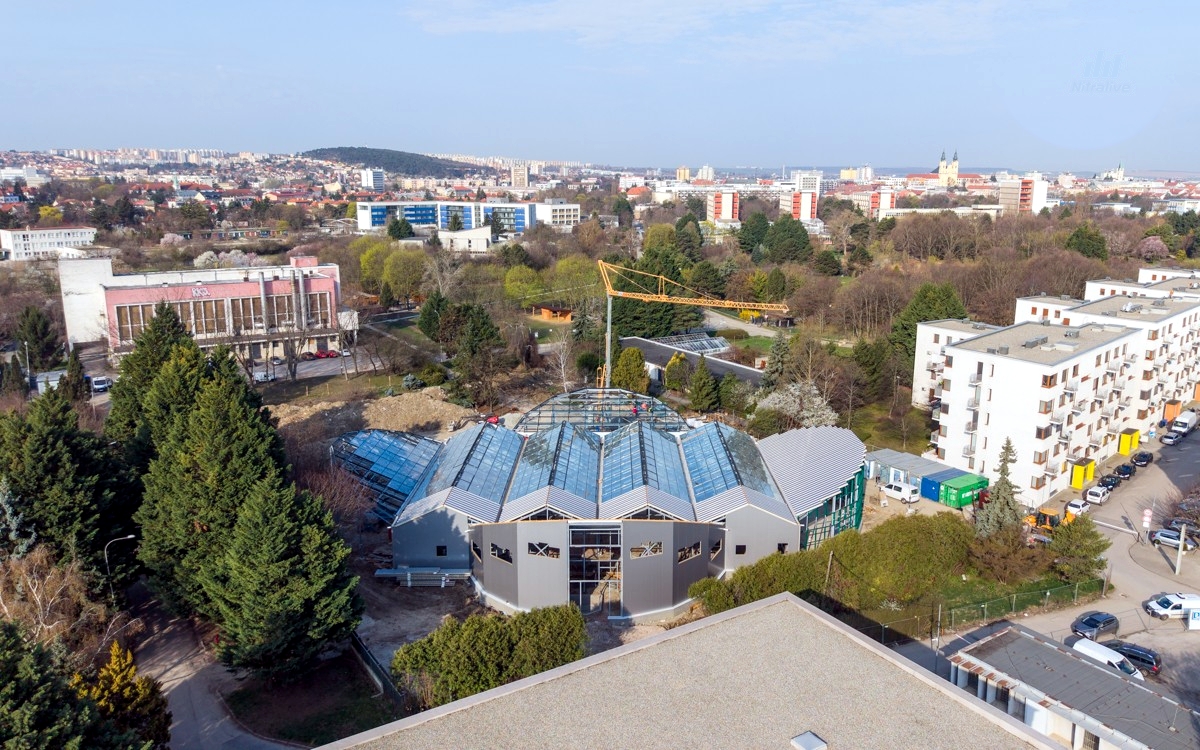
A modern scientific research facility called the Biodome is being developed within the Botanical Garden of the Slovak University of Agriculture in Nitra. The project focuses on advancing research and innovation in plant cultivation under controlled environmental conditions.
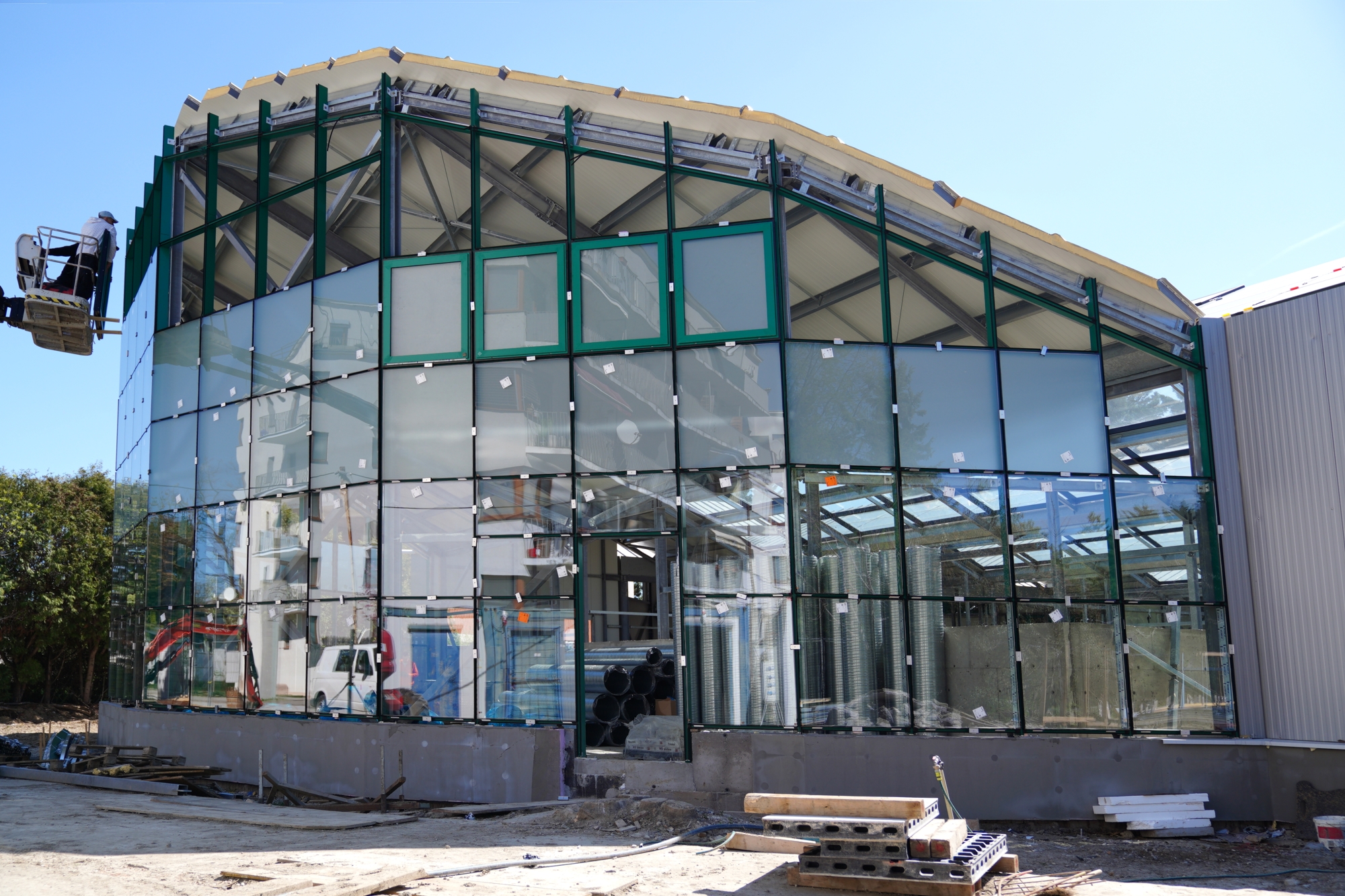
The new infrastructure is being built on the site of former greenhouses and features an architectural design resembling a large, fully glazed greenhouse complex. The Biodome is one of the key initiatives of the AgroForestry consortium, a collaboration between the Slovak University of Agriculture in Nitra and the Technical University in Zvolen. It is funded through Slovakia’s Recovery and Resilience Plan as part of a national program supporting the strategic development of higher education infrastructure.
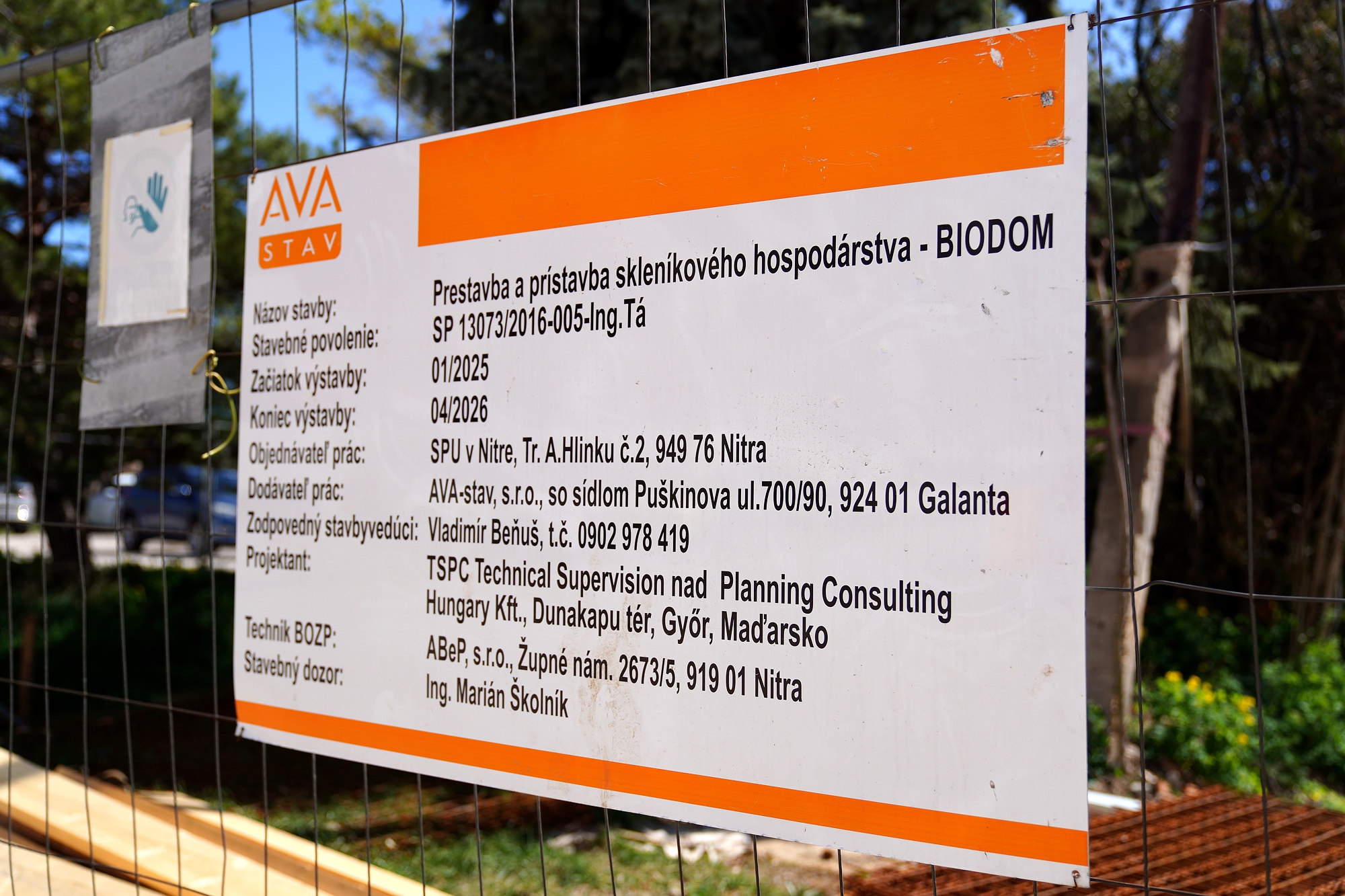
This innovative facility will allow researchers to simulate a wide range of microclimatic conditions and apply advanced technologies in scientific experiments. The construction is being carried out by AVA-stav Galanta, with a total cost of €2.65 million (excluding VAT).
The building will include research areas, laboratories, preparation rooms, and technical spaces for irrigation and heating systems, along with social and support facilities.
The Biodome is expected to significantly enhance conditions for research, education, and international collaboration, particularly in studying the impact of climate change on ecosystems. It will support joint study programs within the AgroForestry consortium, including agroforestry, precision agriculture, forestry, and landscape management.
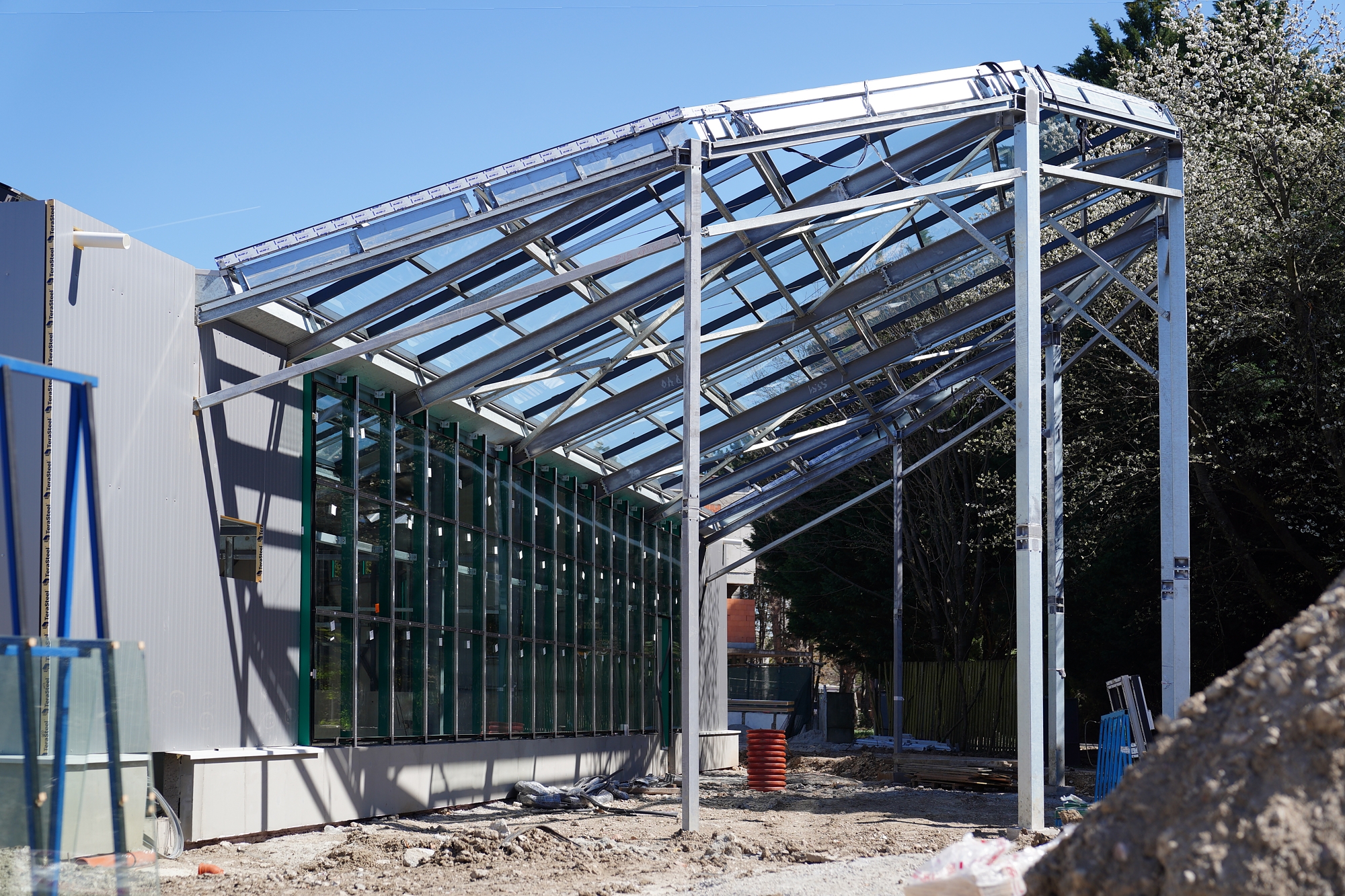
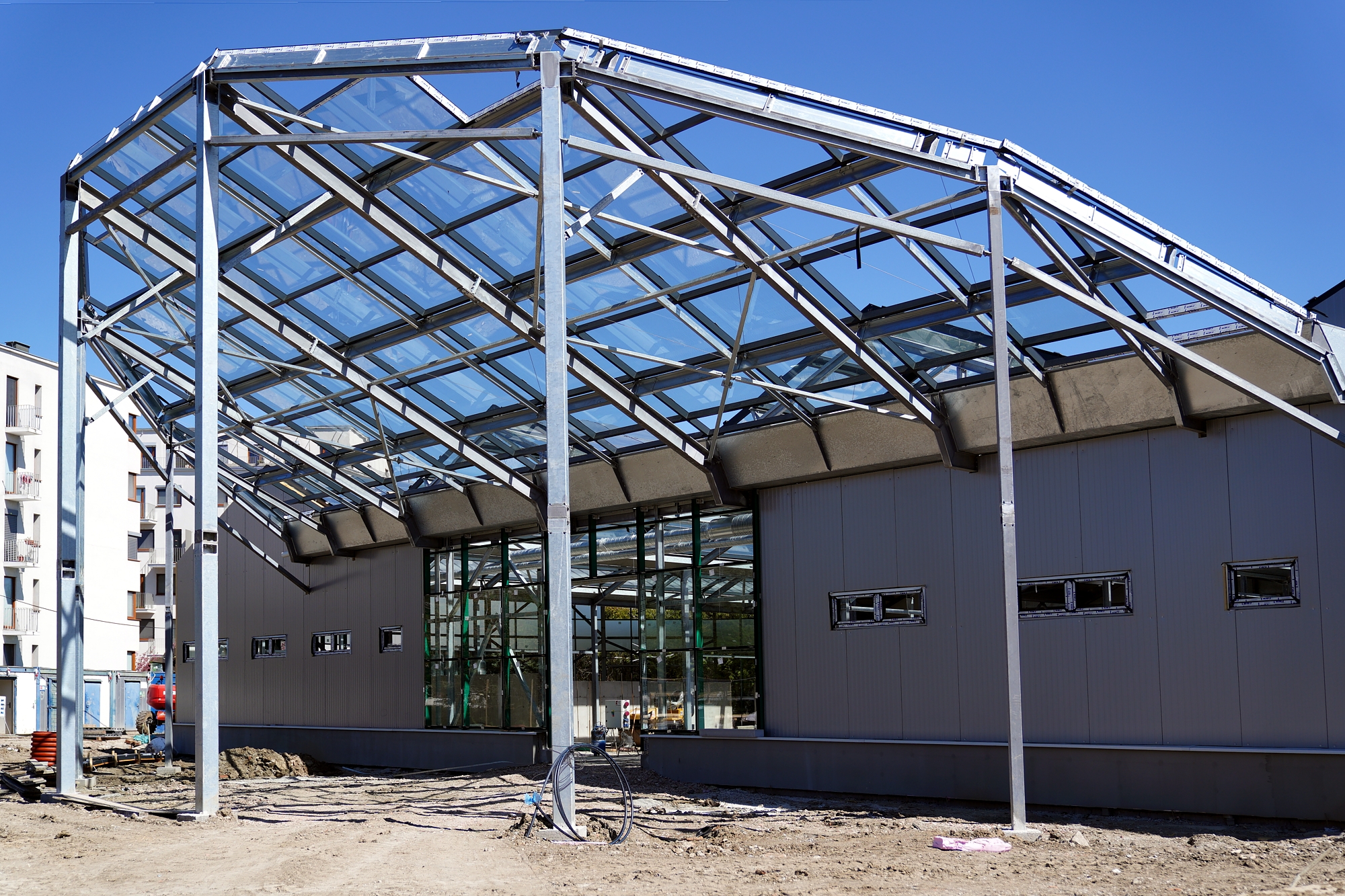
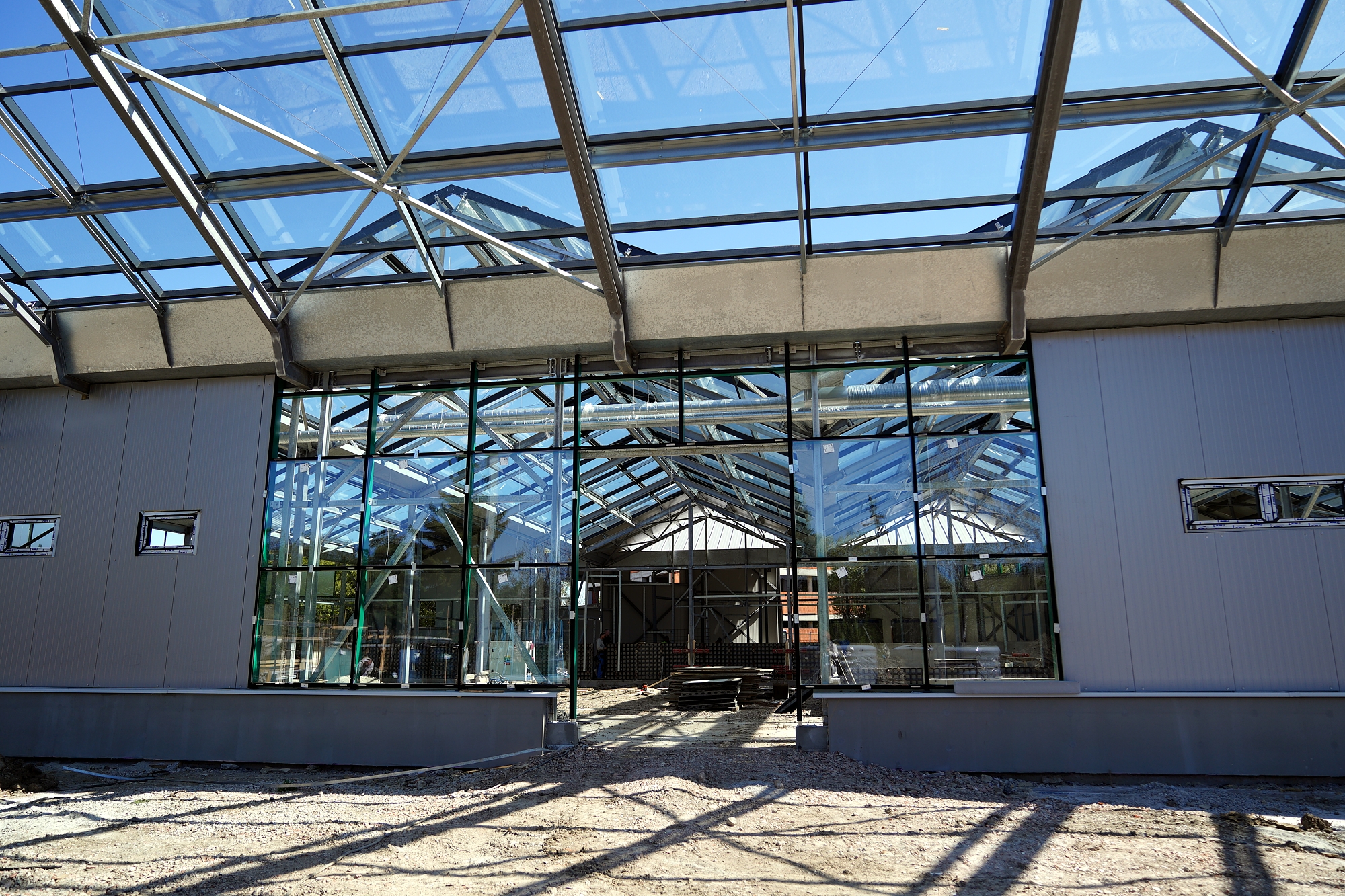
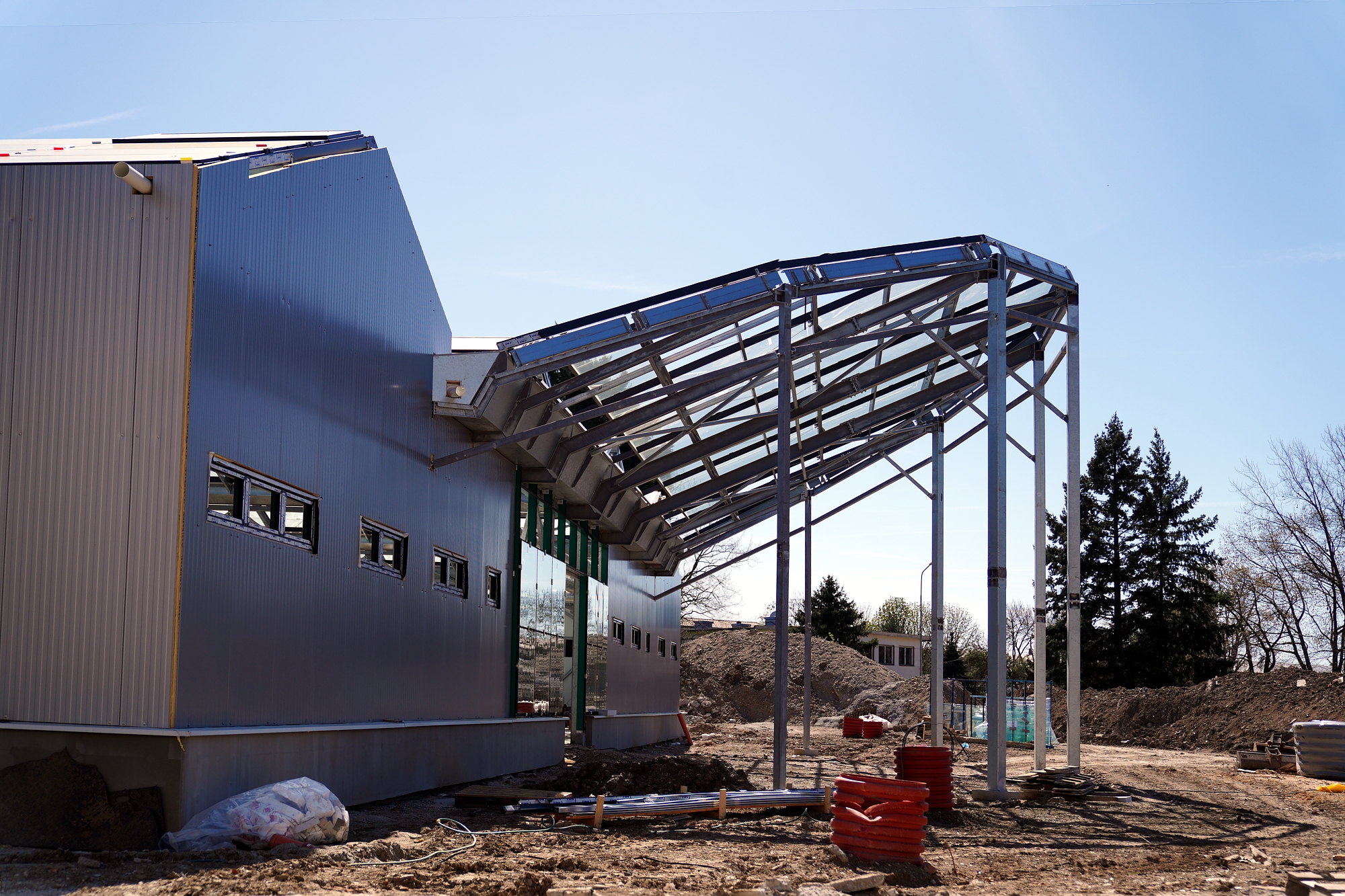
Architecturally, the structure is designed as a single-story building with a steel framework and a fully glazed pitched roof. Its square floor plan with semi-circular extensions has been carefully developed to meet specific cultivation, technical, and technological requirements. In addition to its scientific function, the project will also contribute to the aesthetic improvement of the university’s research infrastructure.