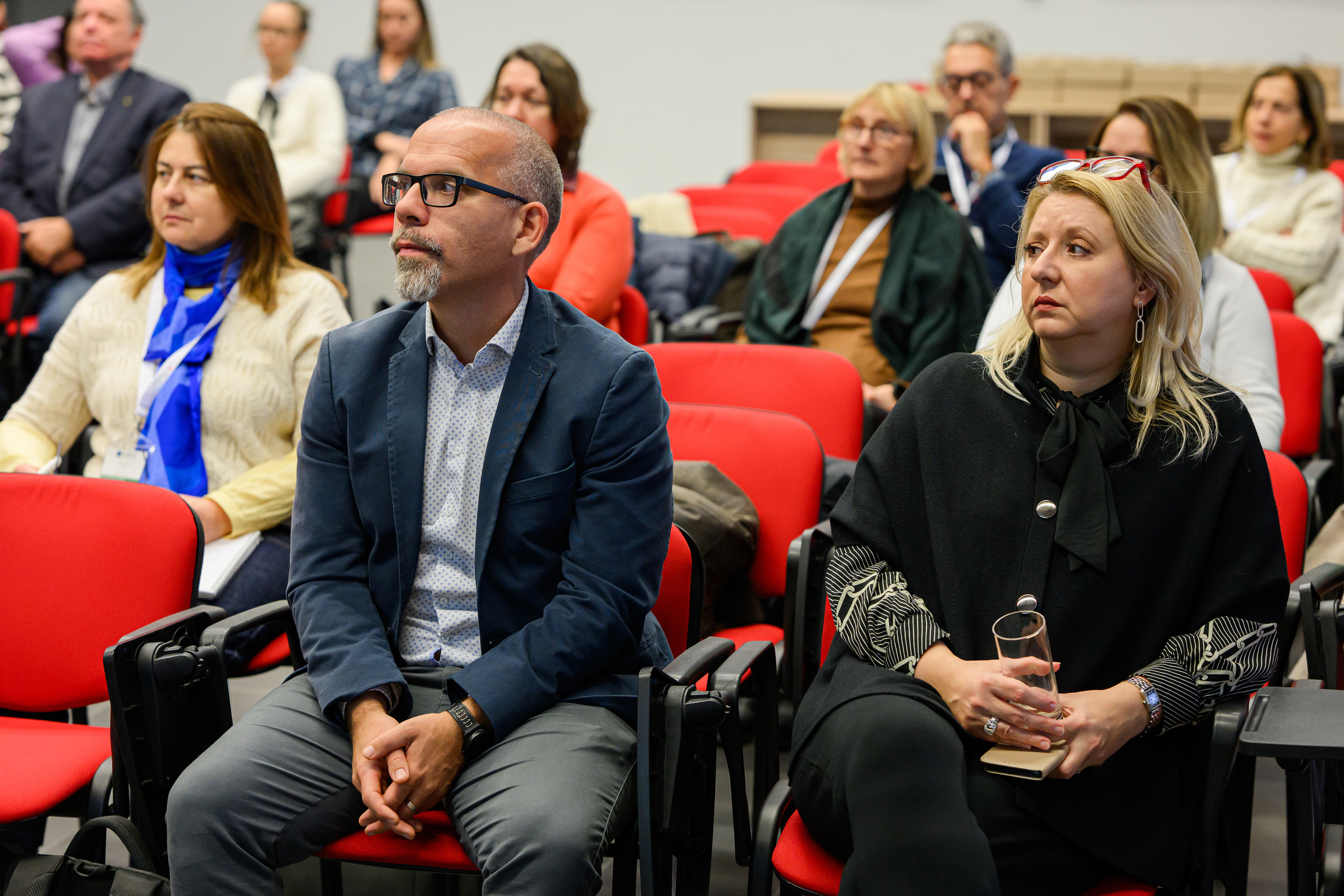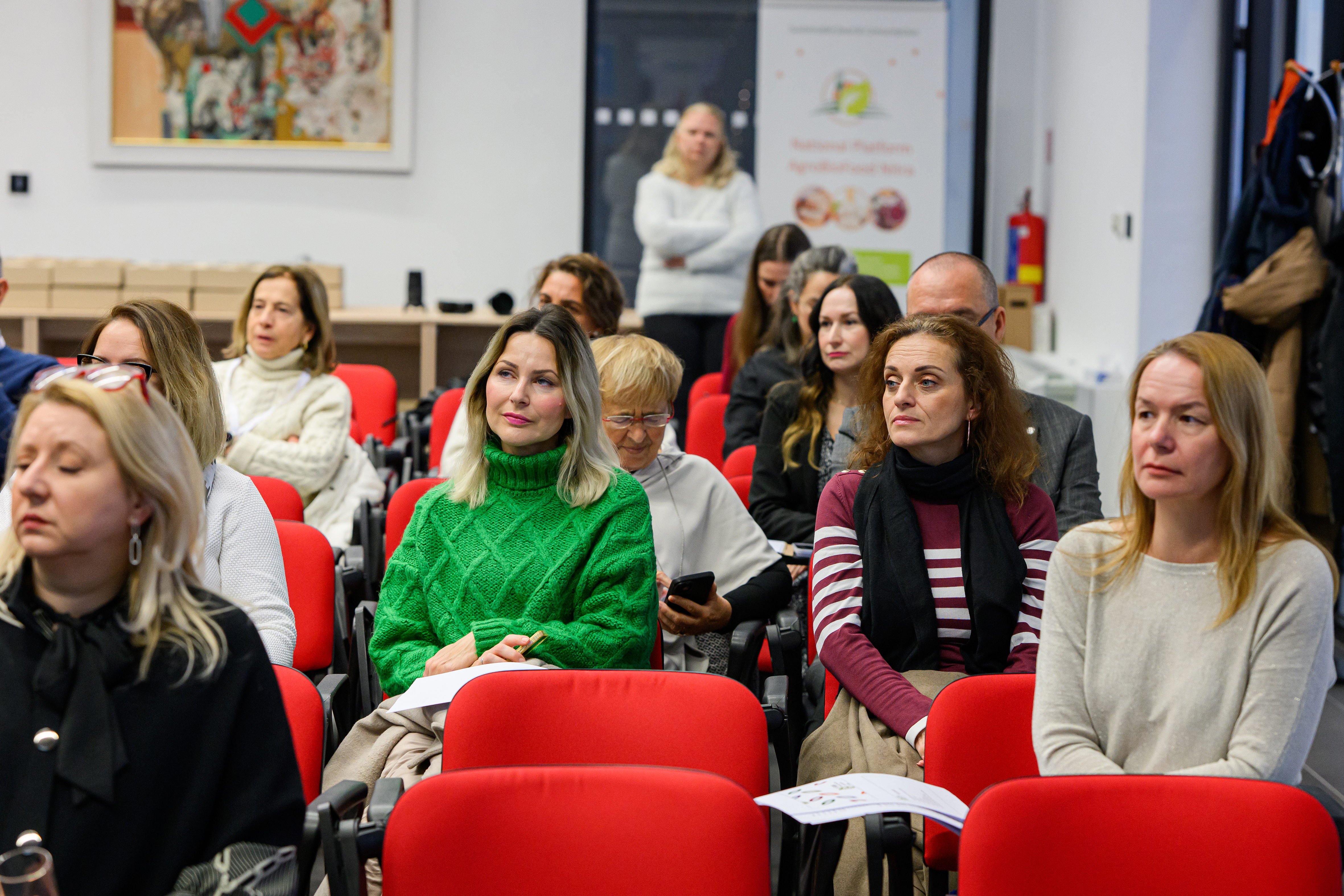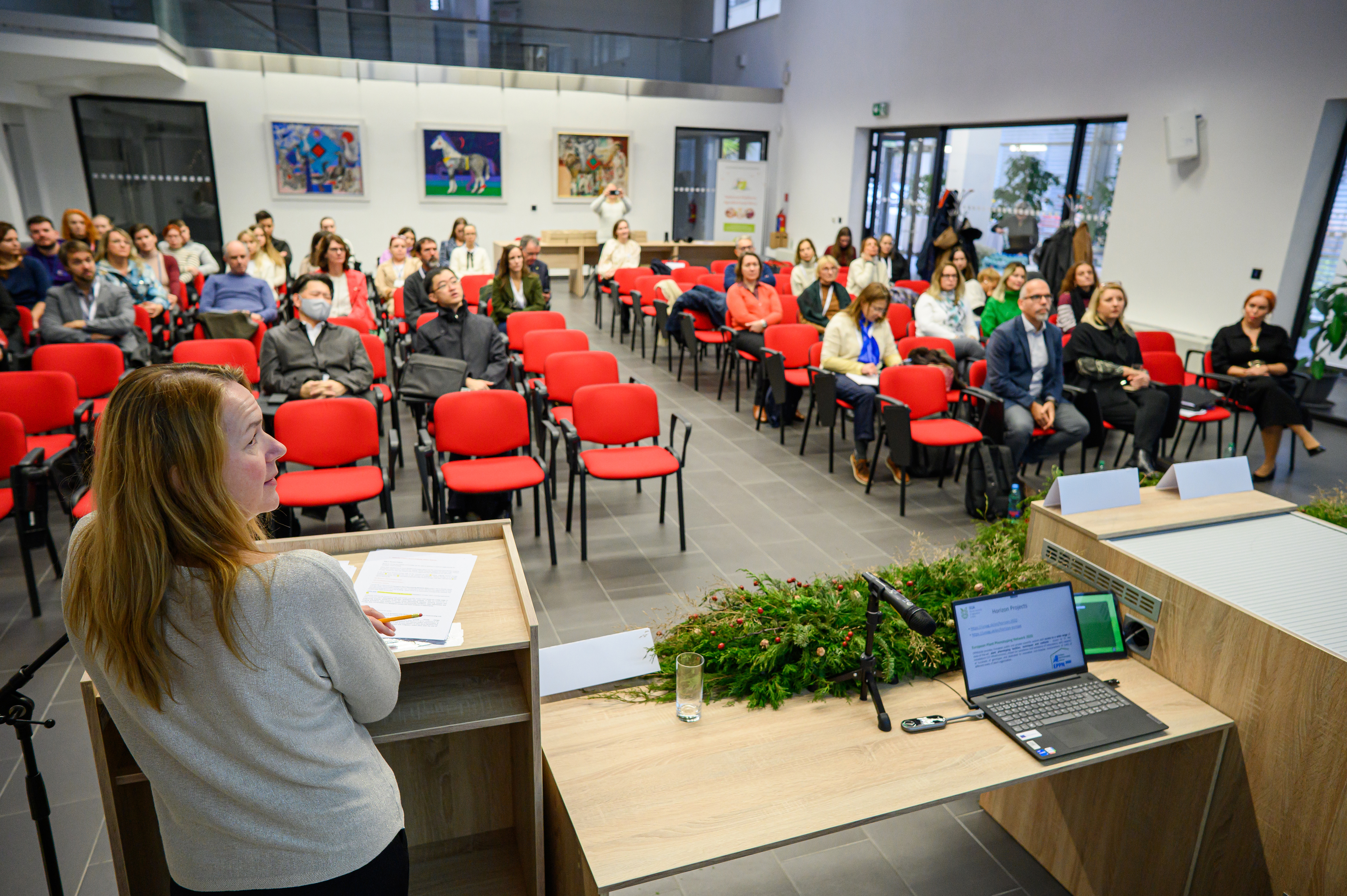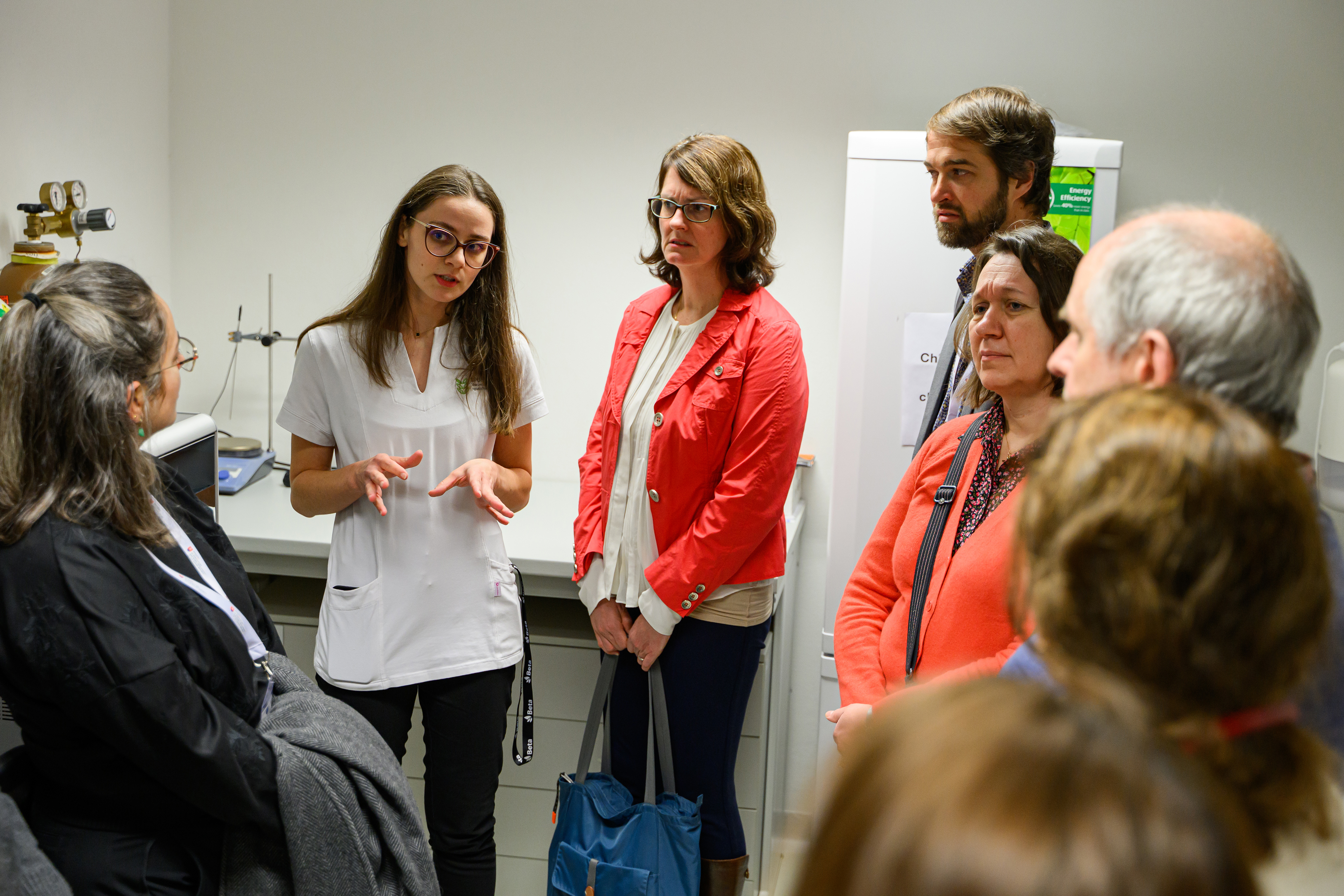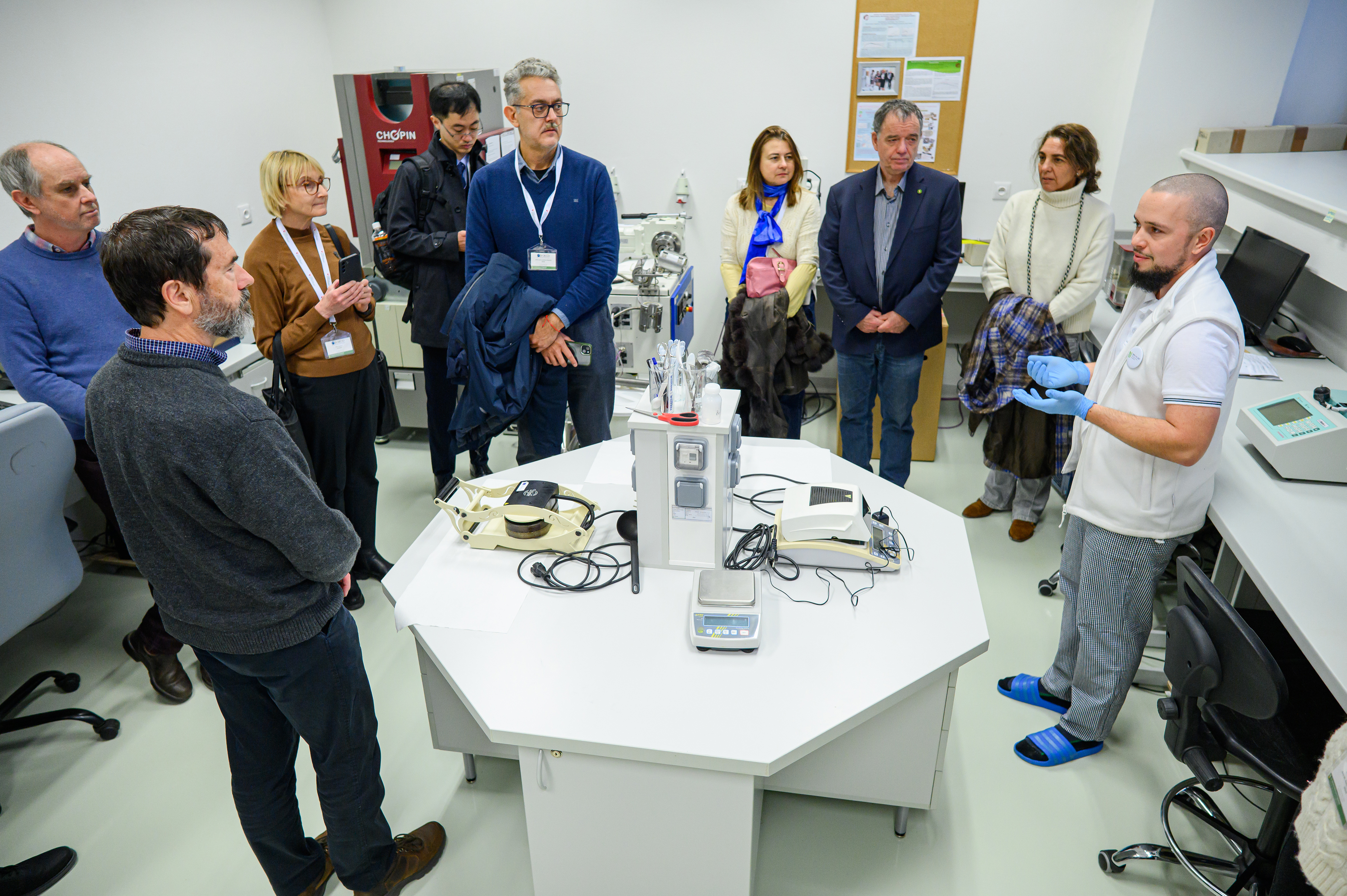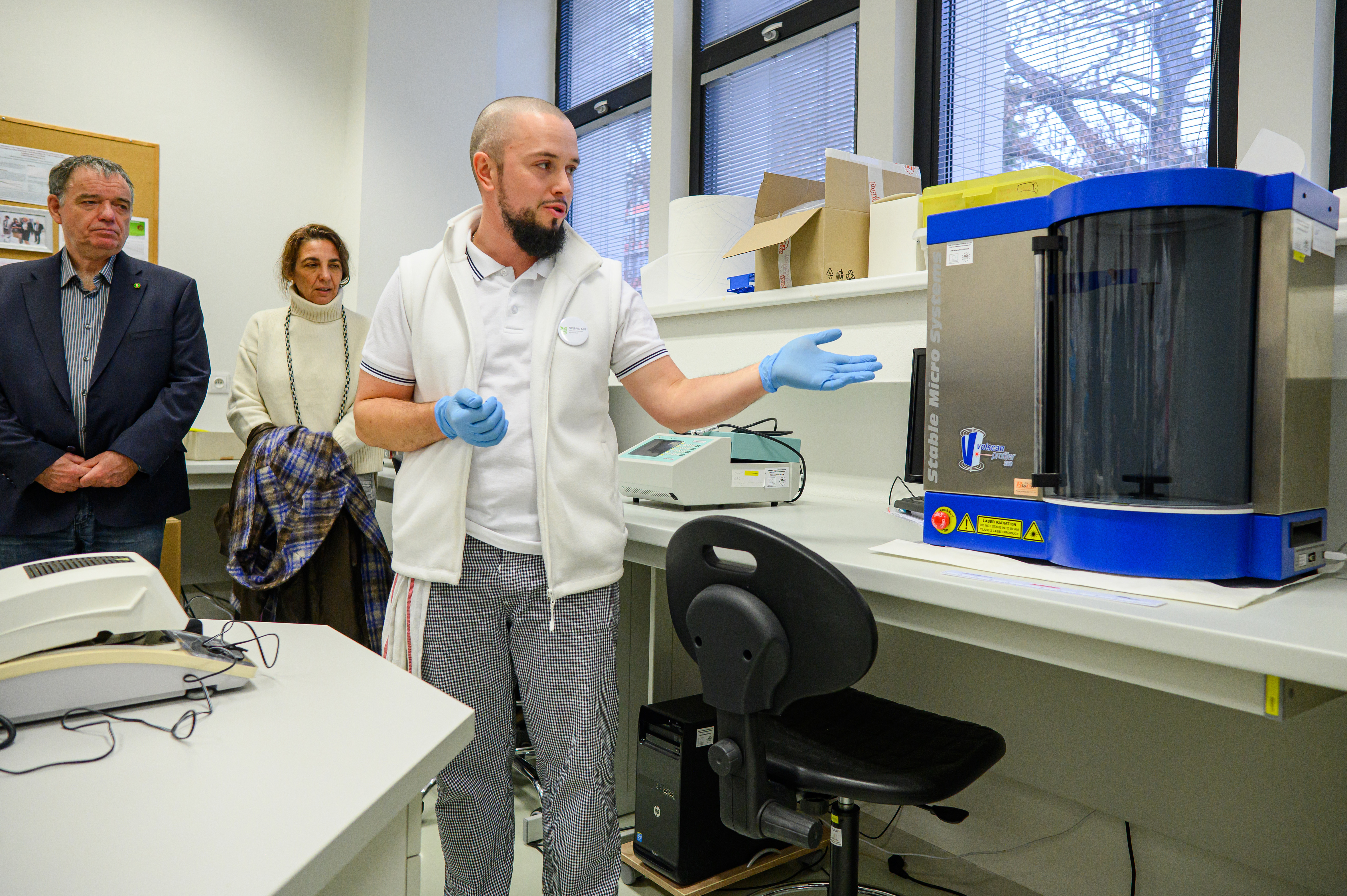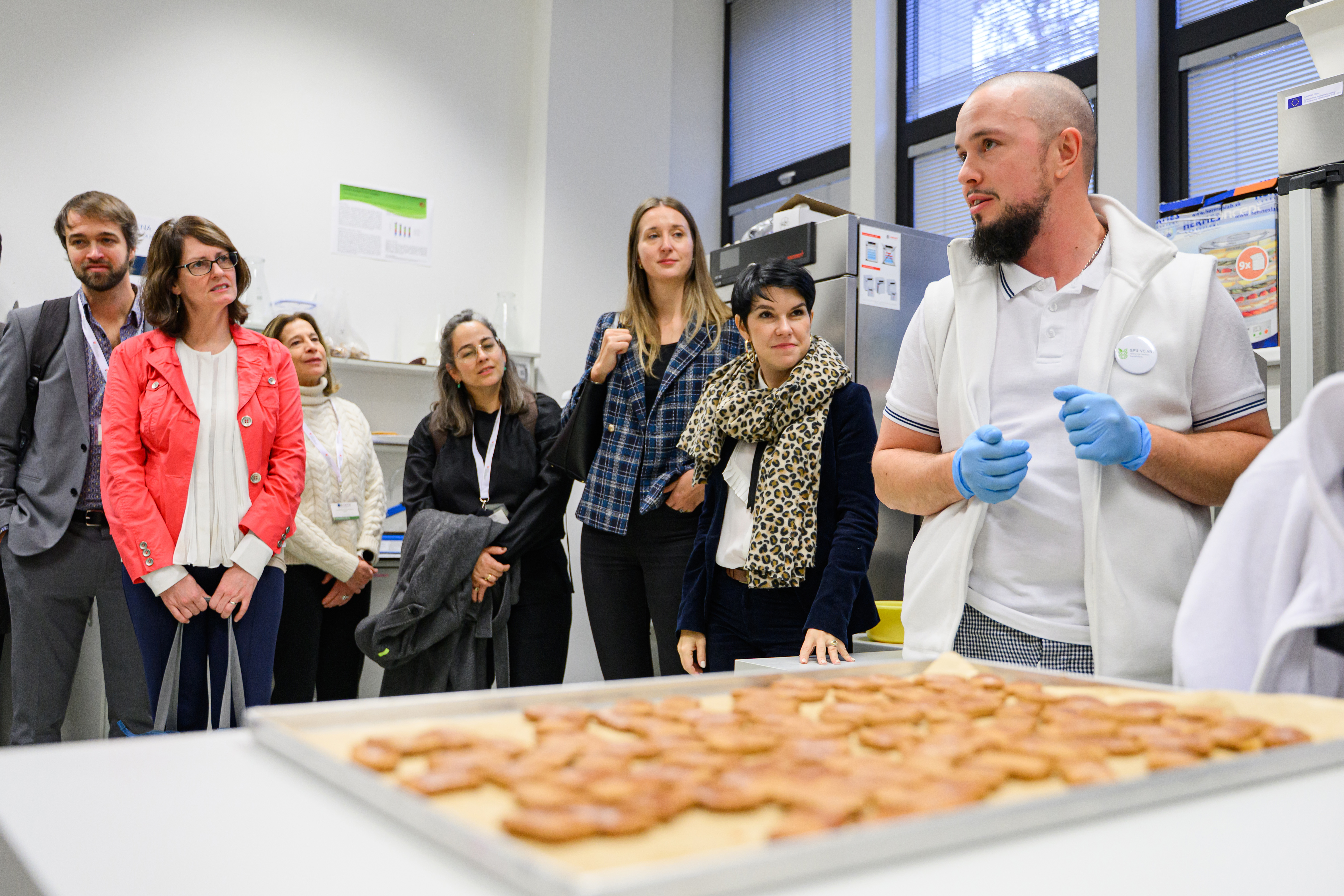
Representatives of the OECD visited the AgroBioTech Research Centre and the SPU Food Incubator
09.12.2025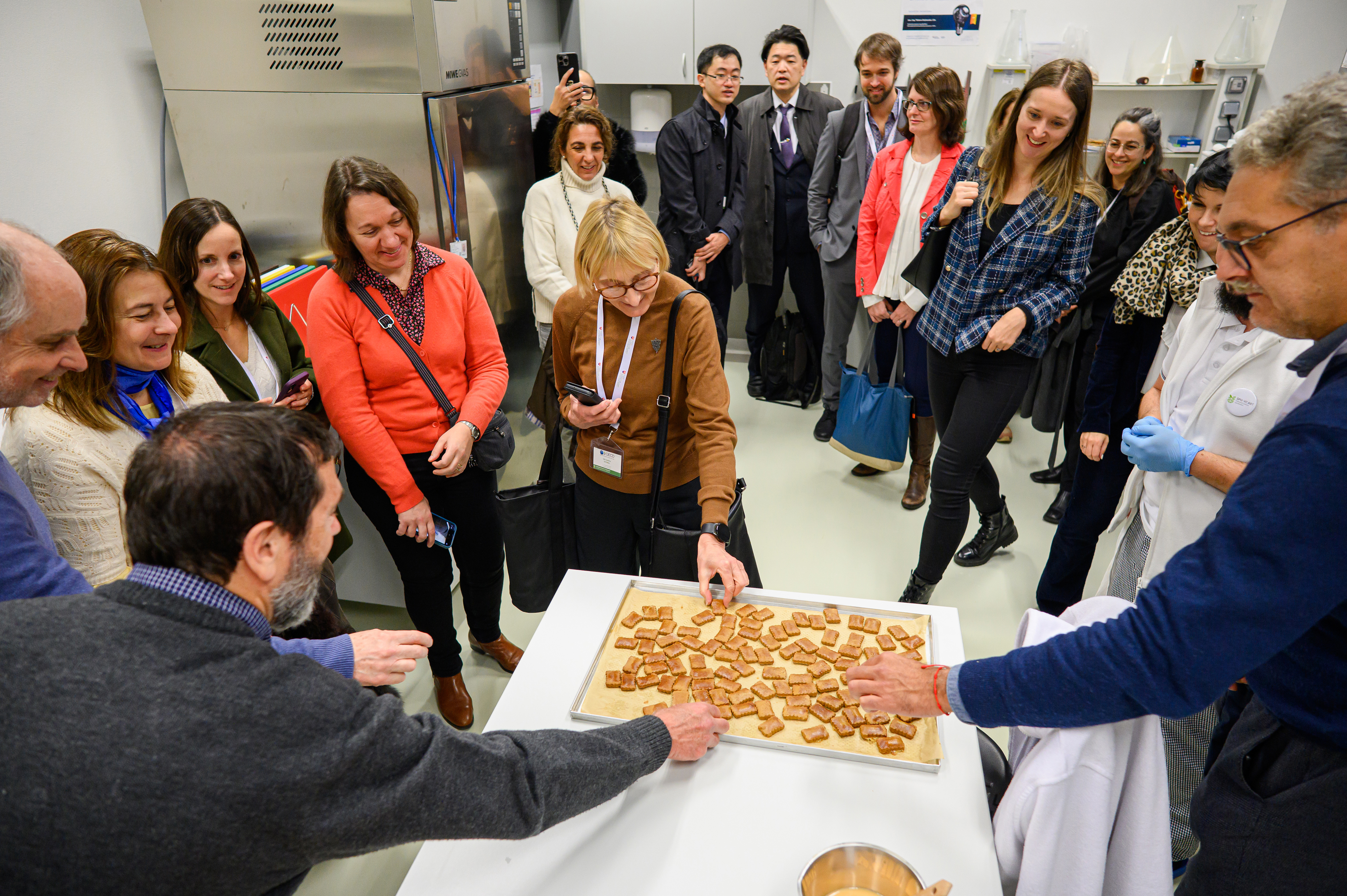
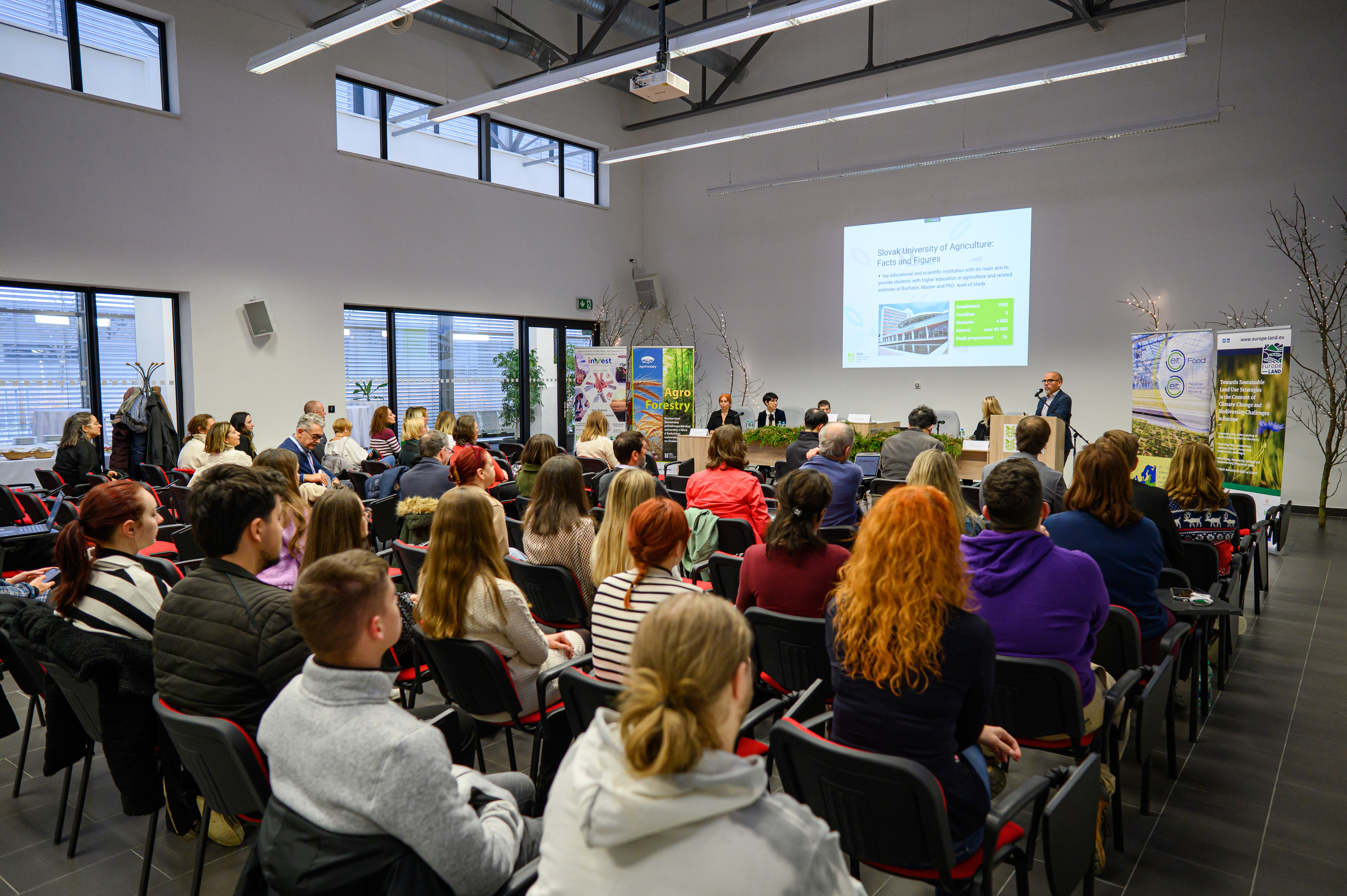
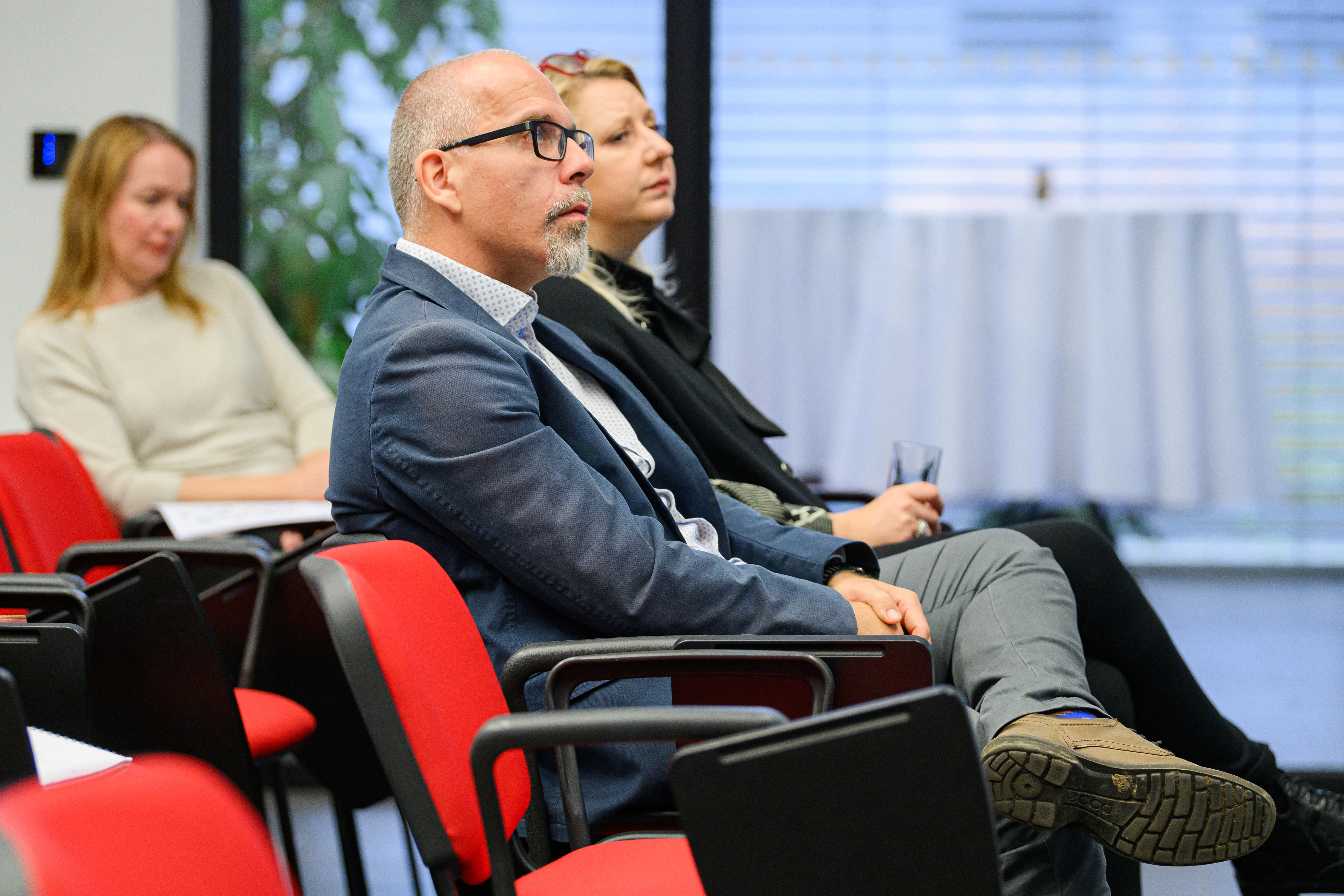
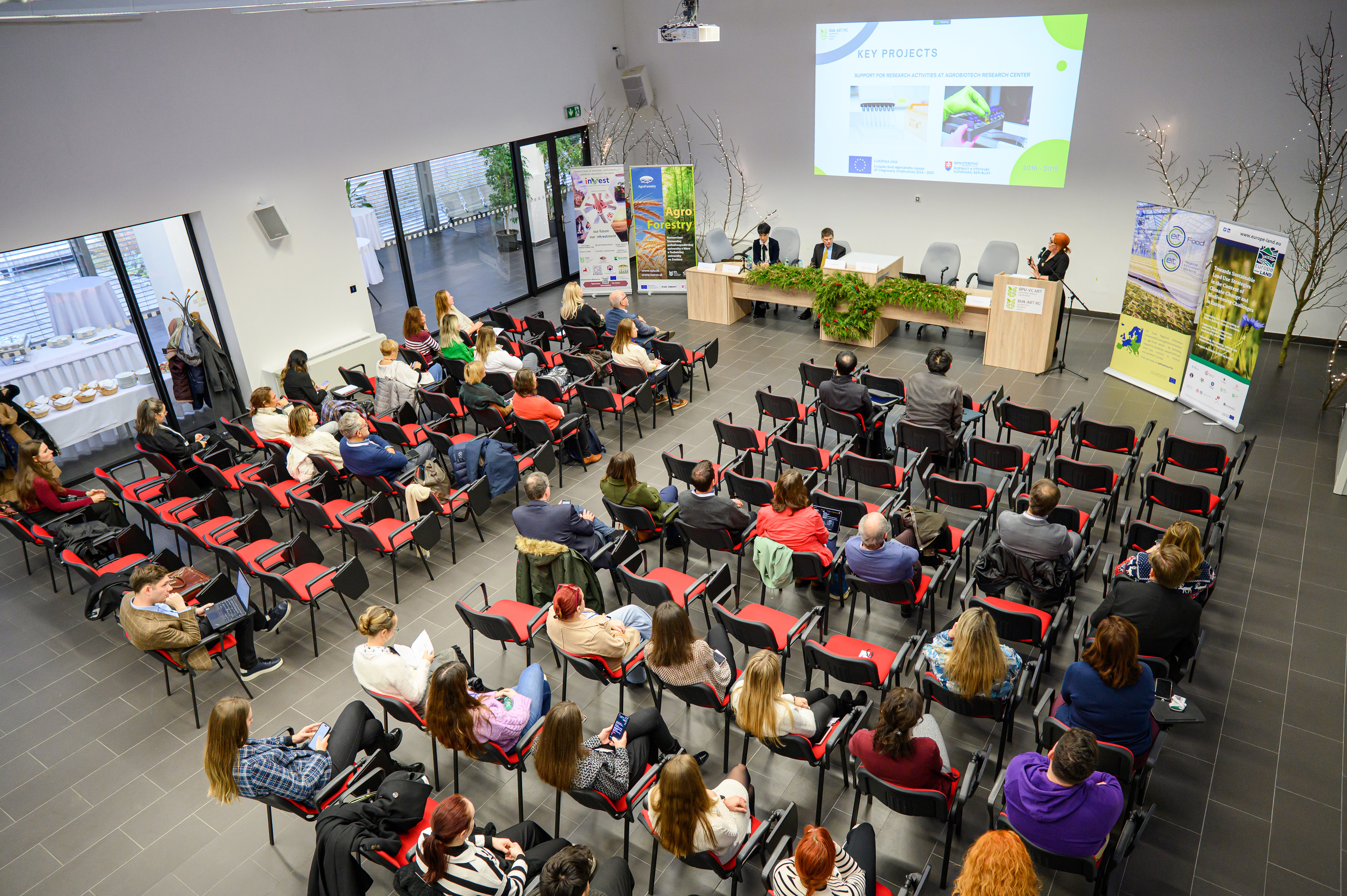
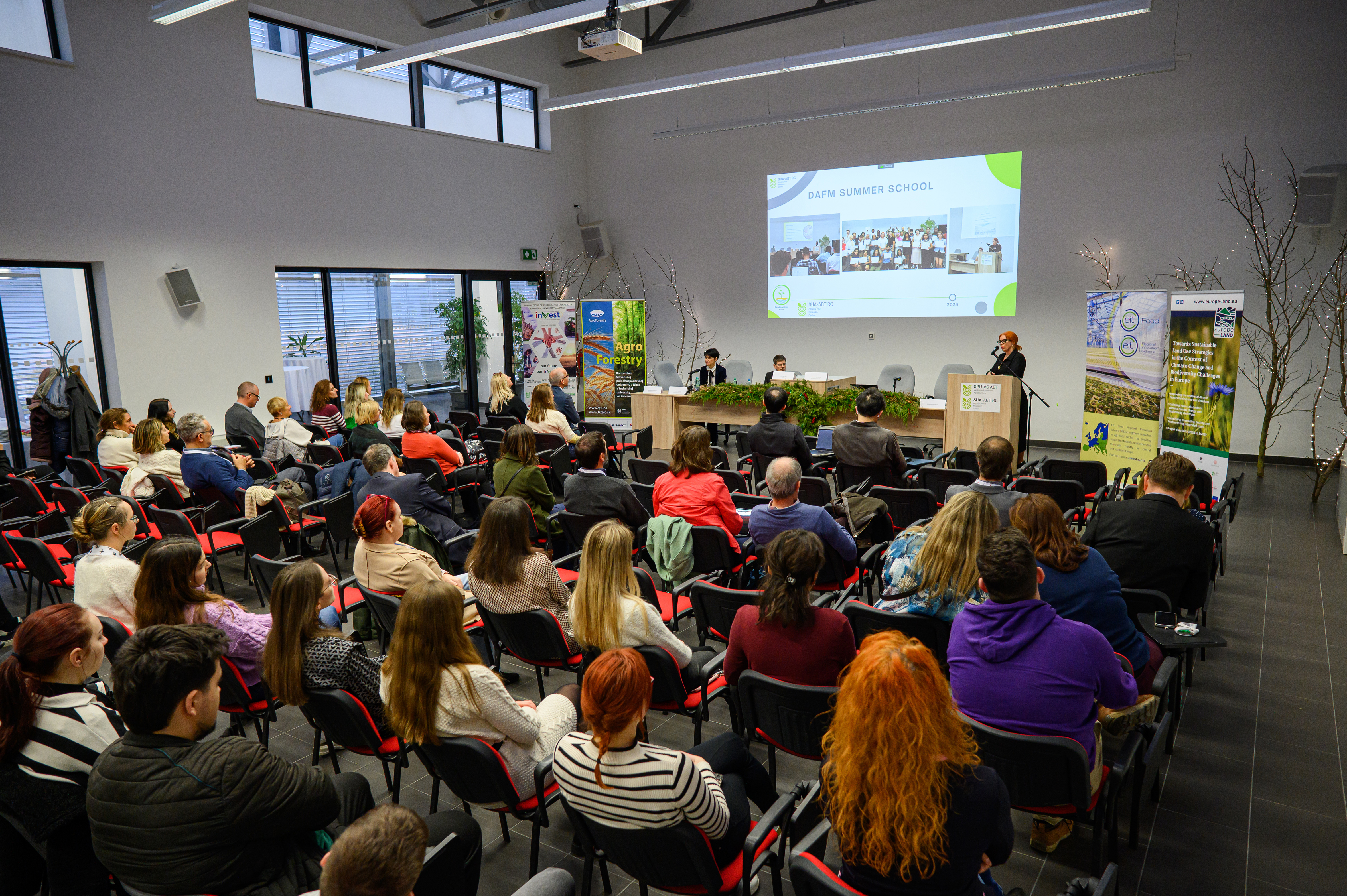
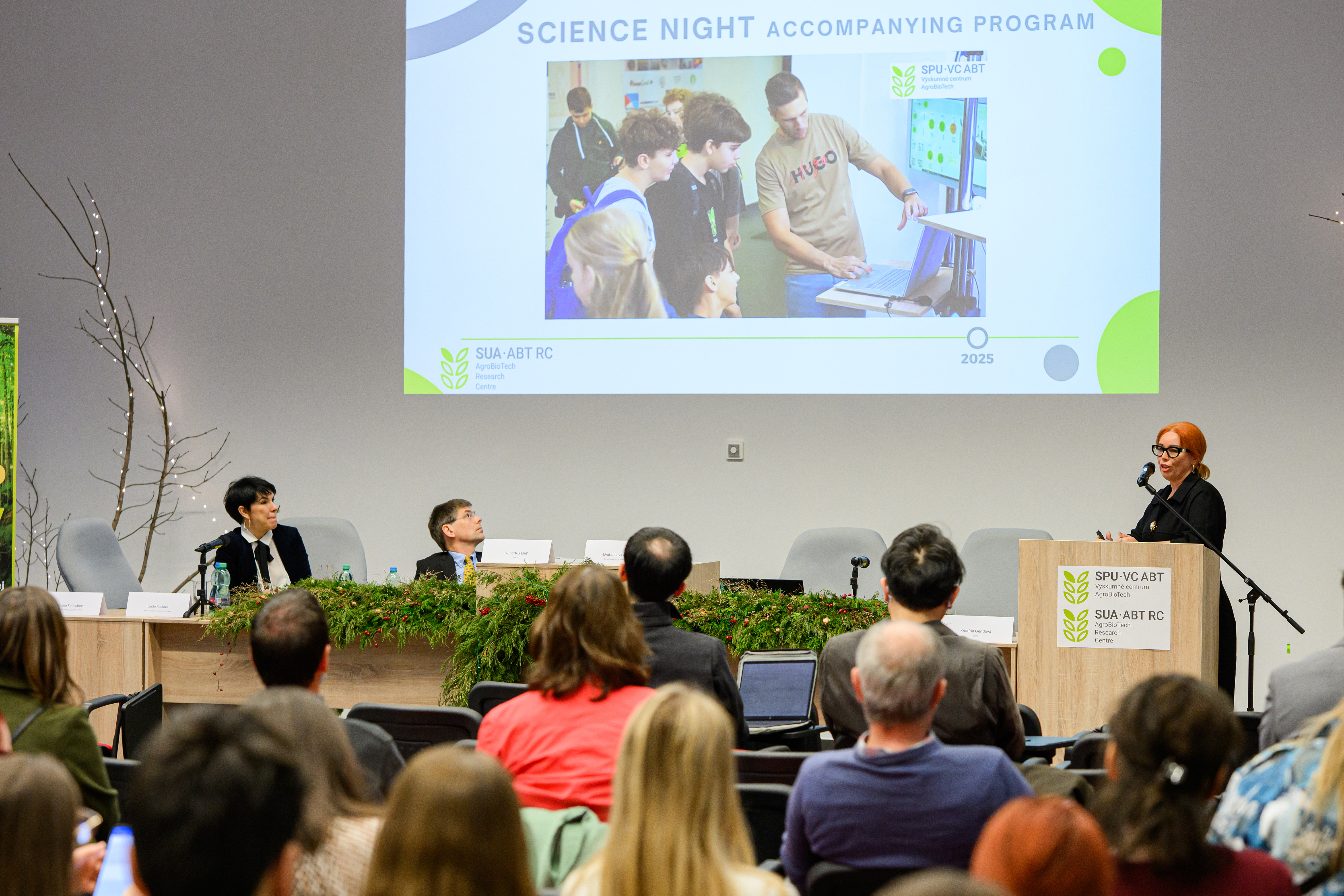
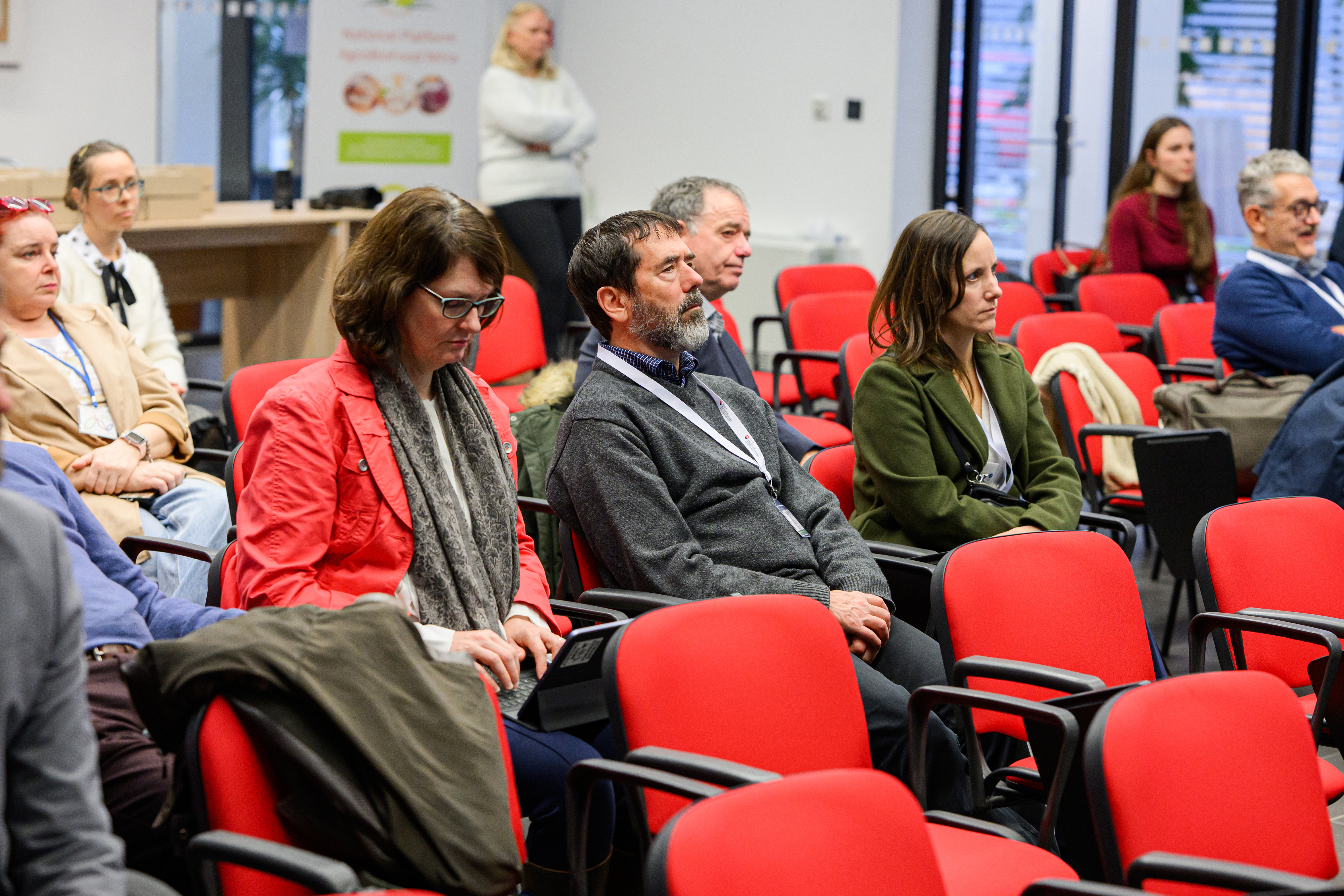
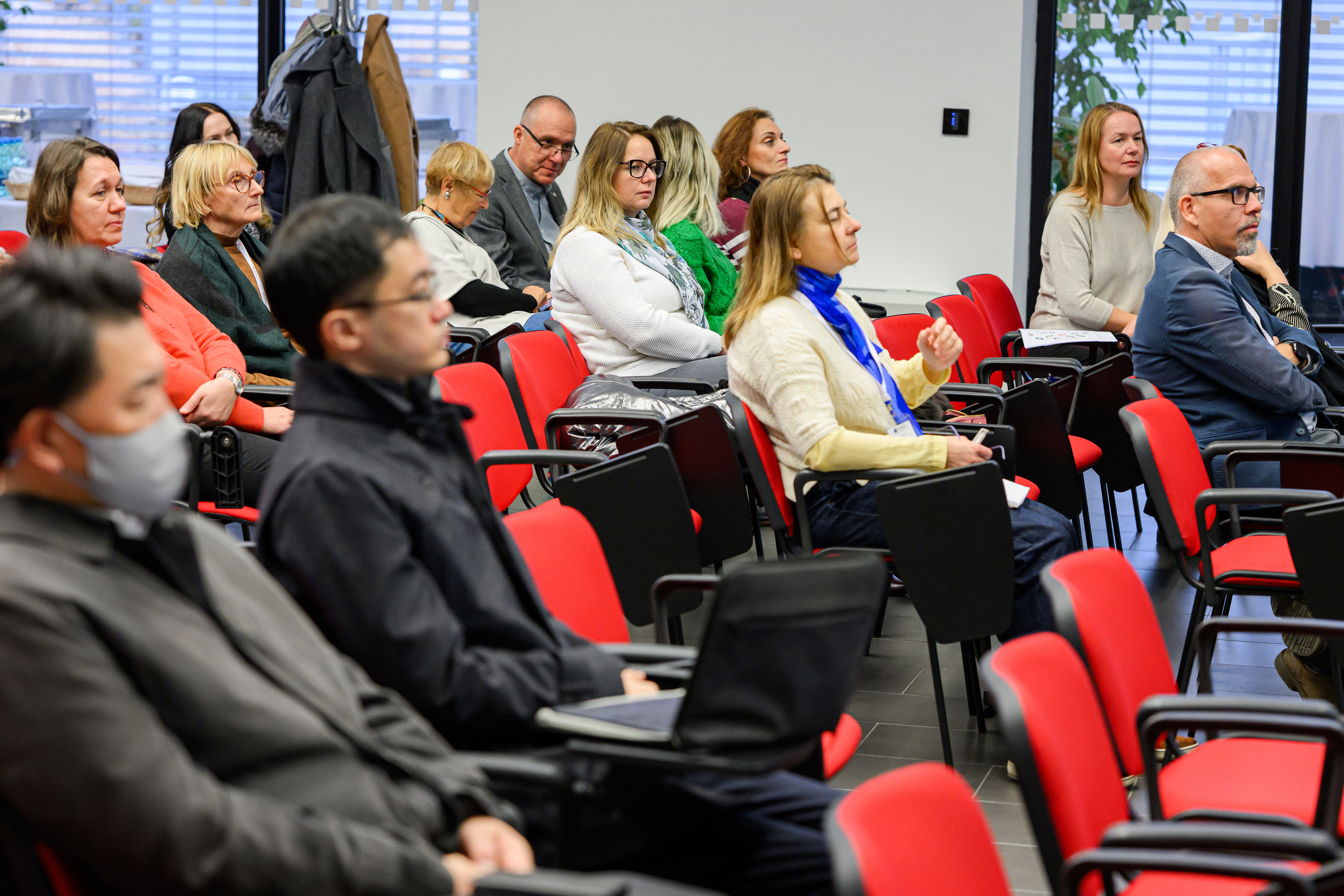
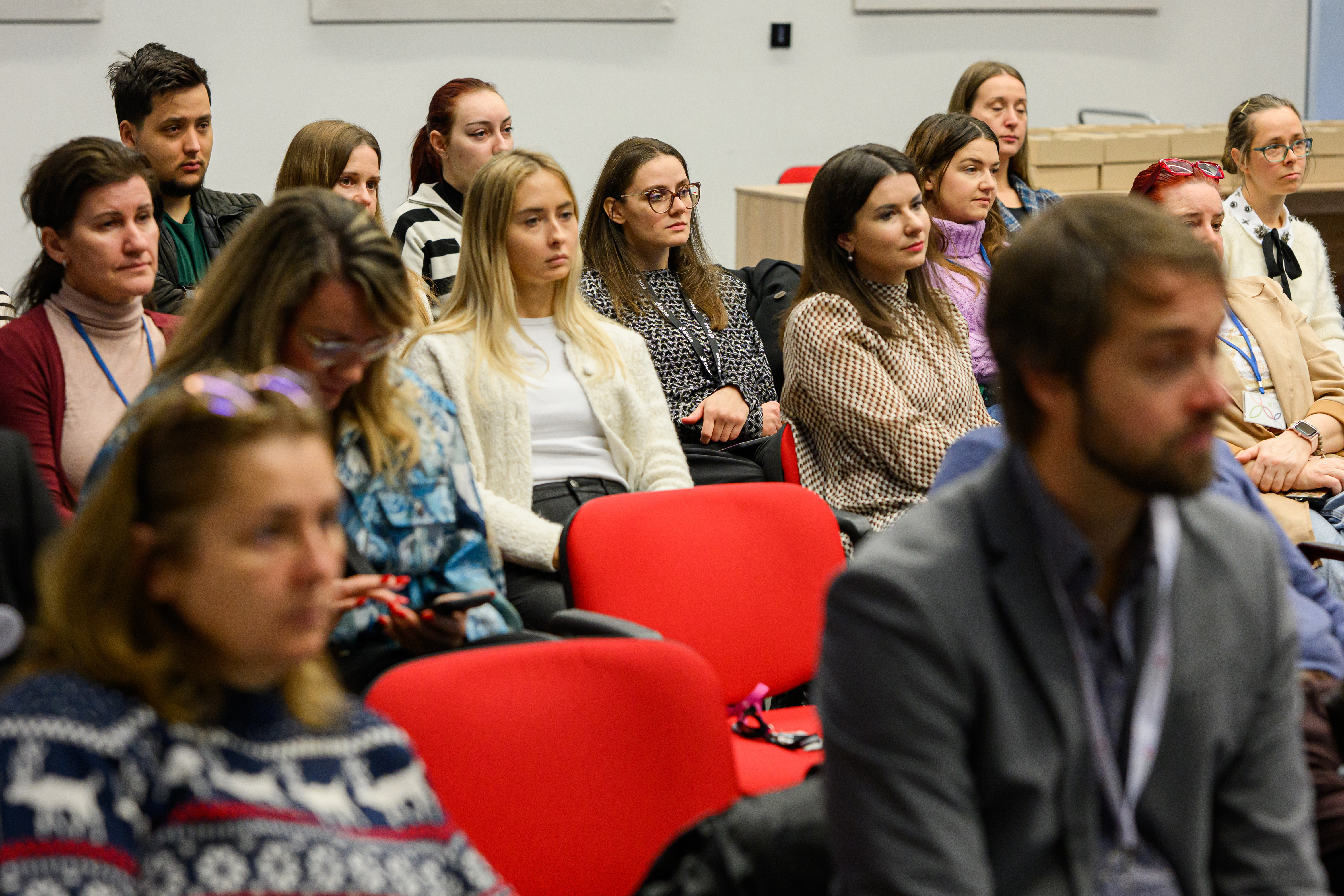
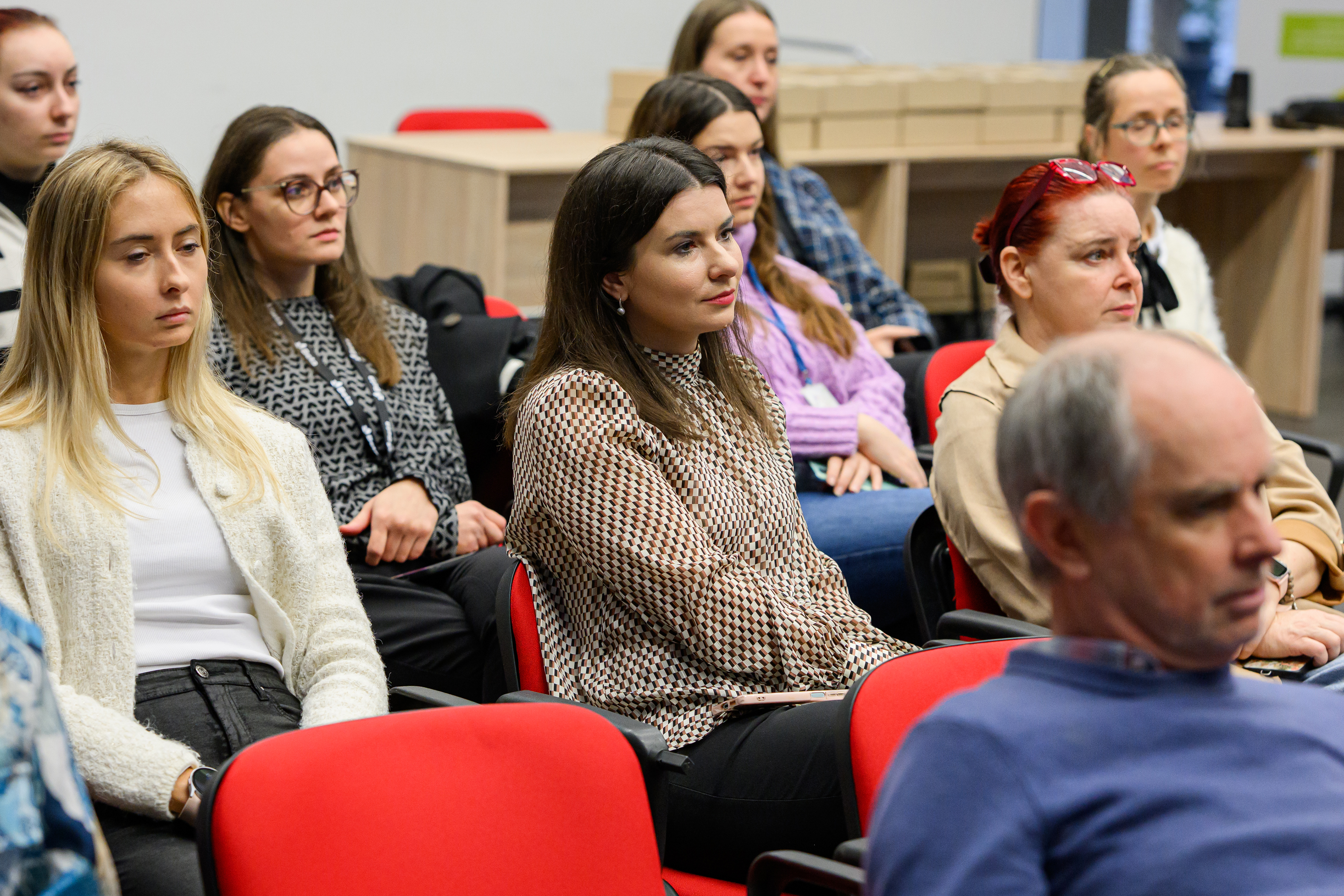
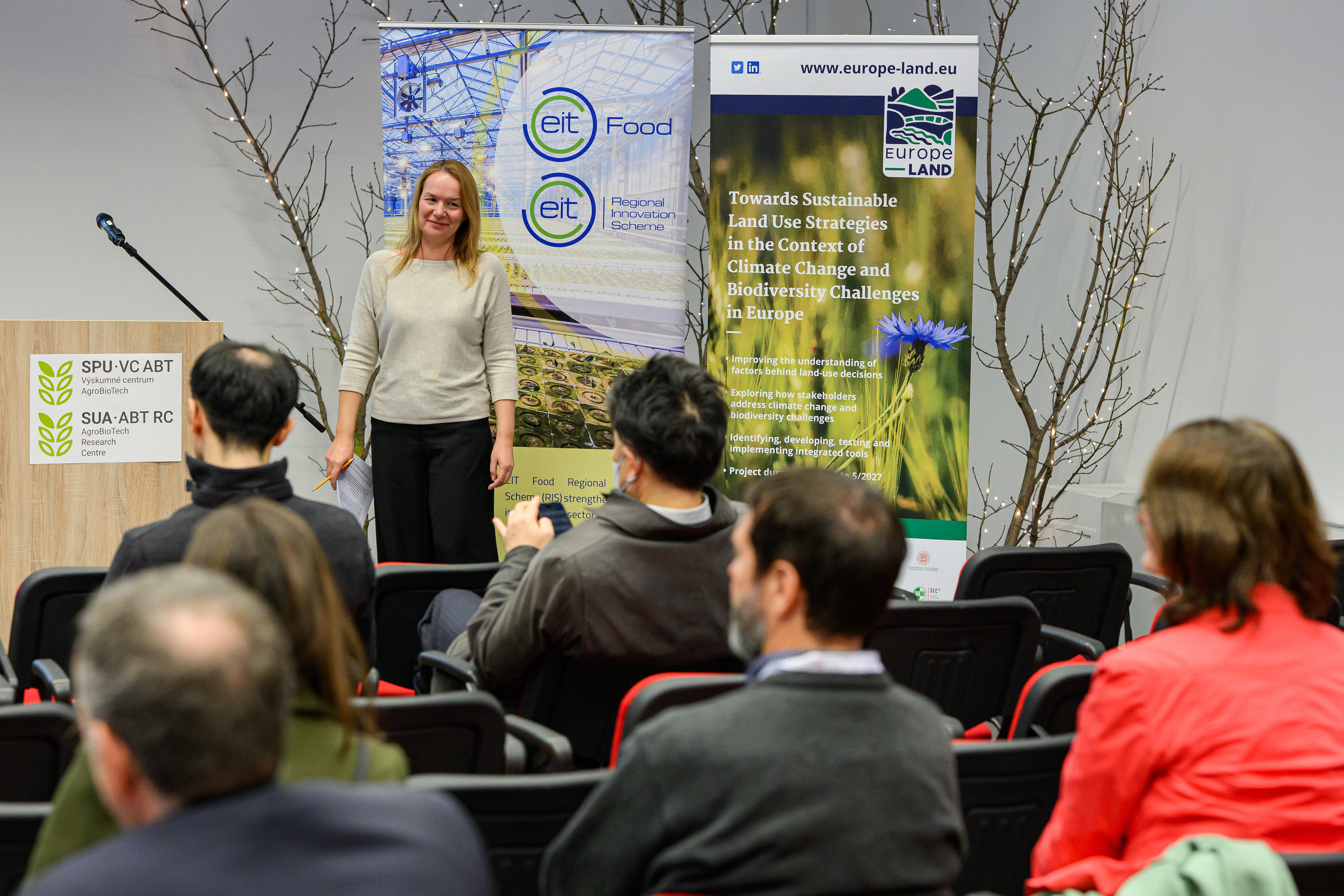
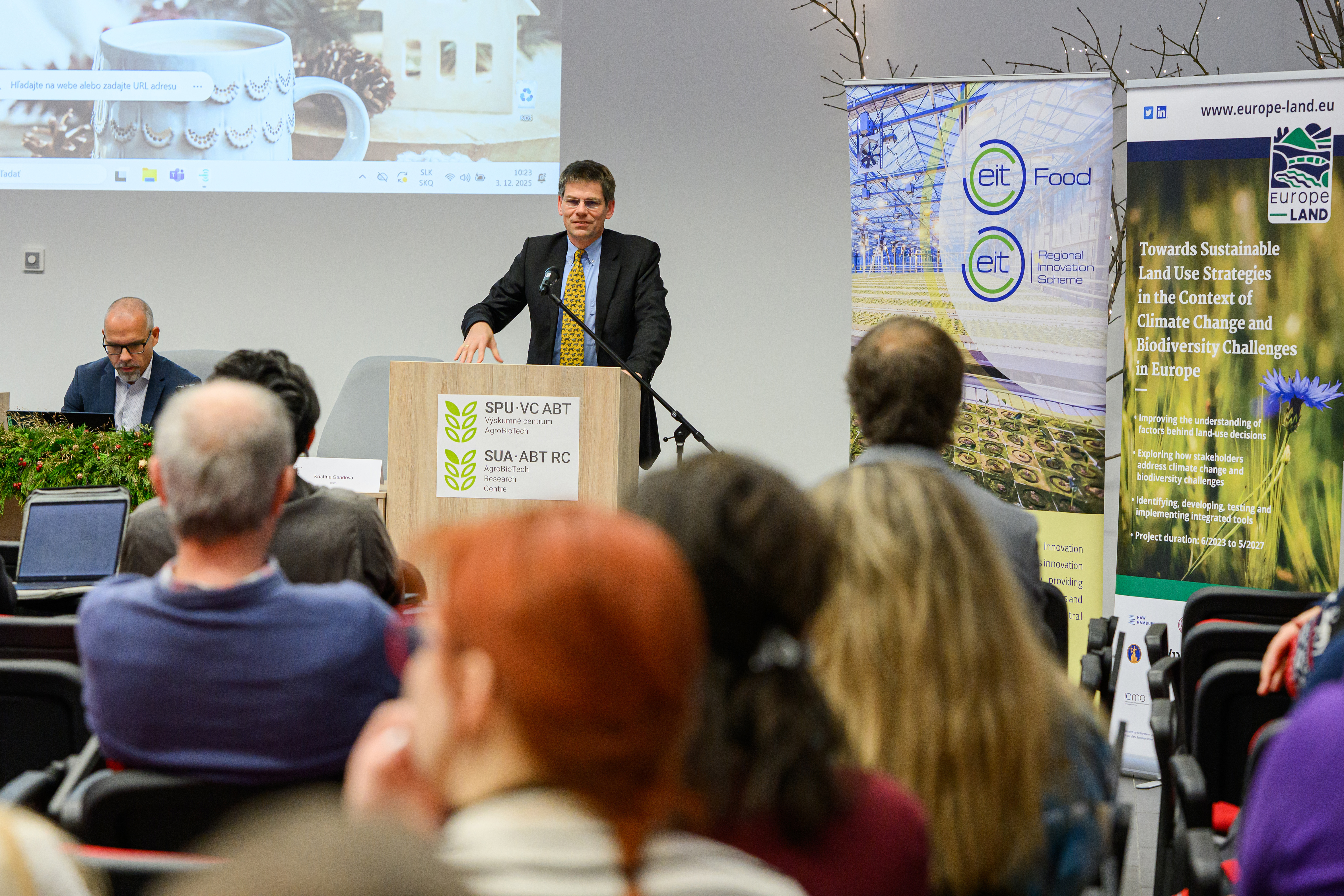
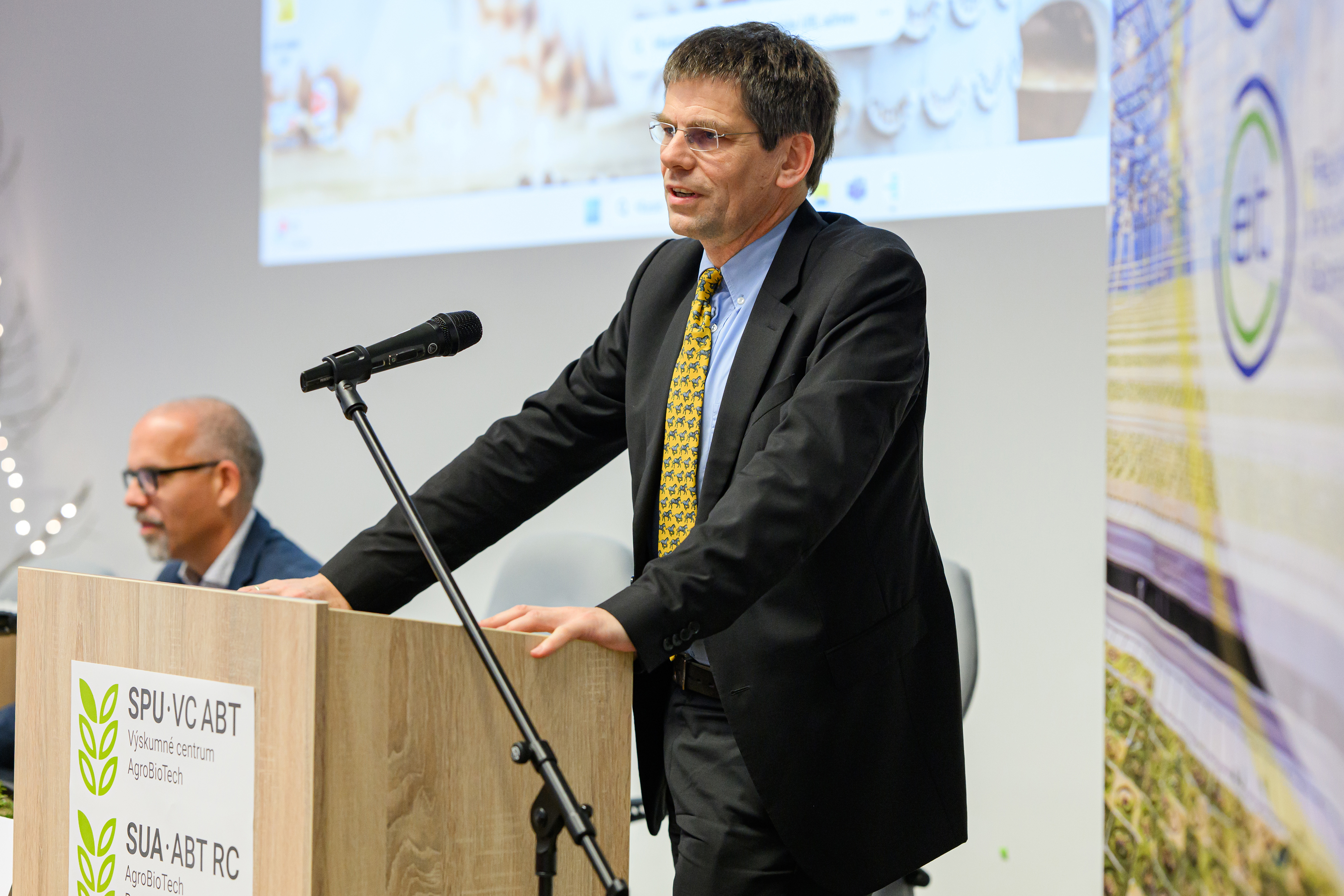
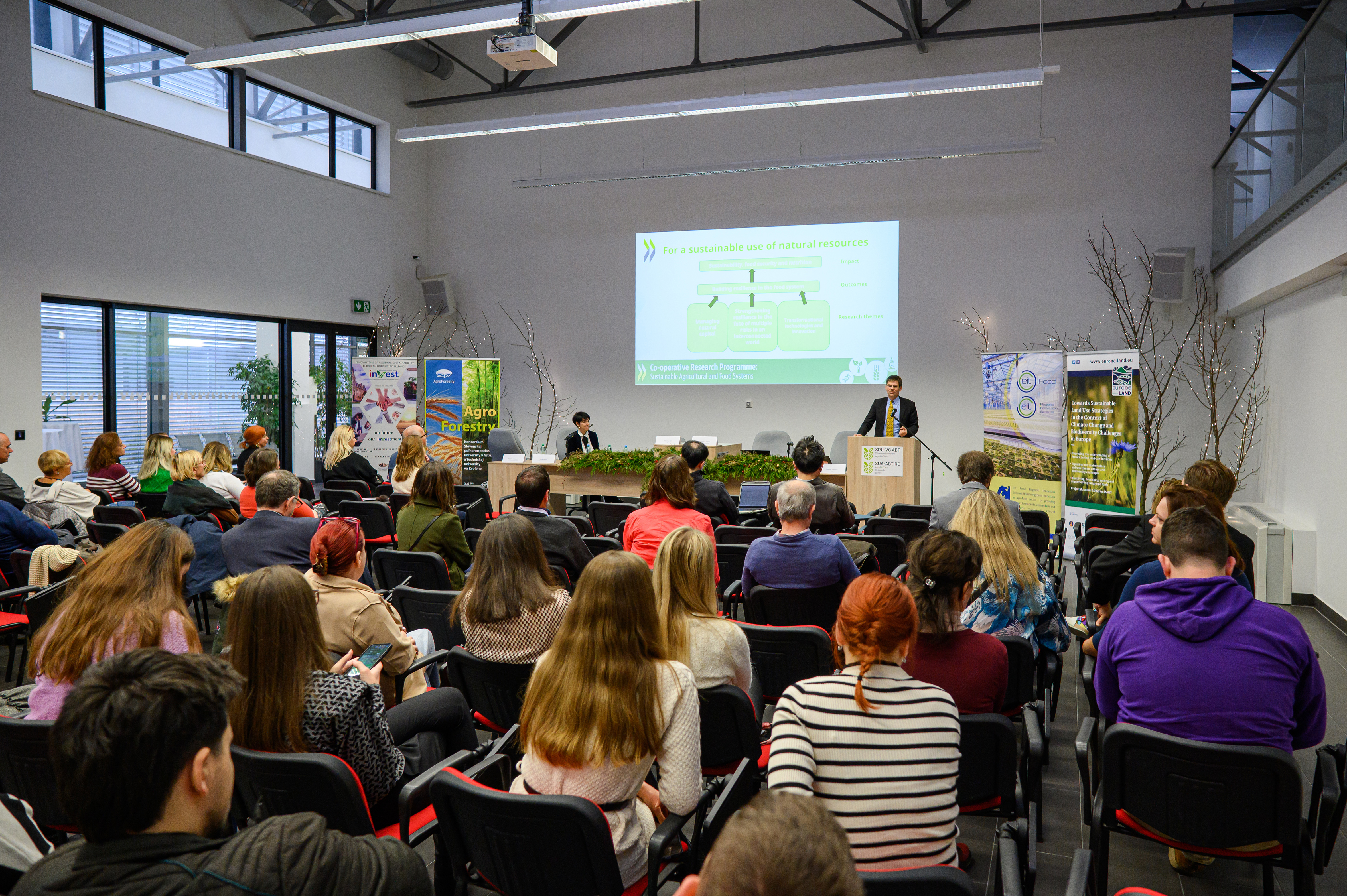
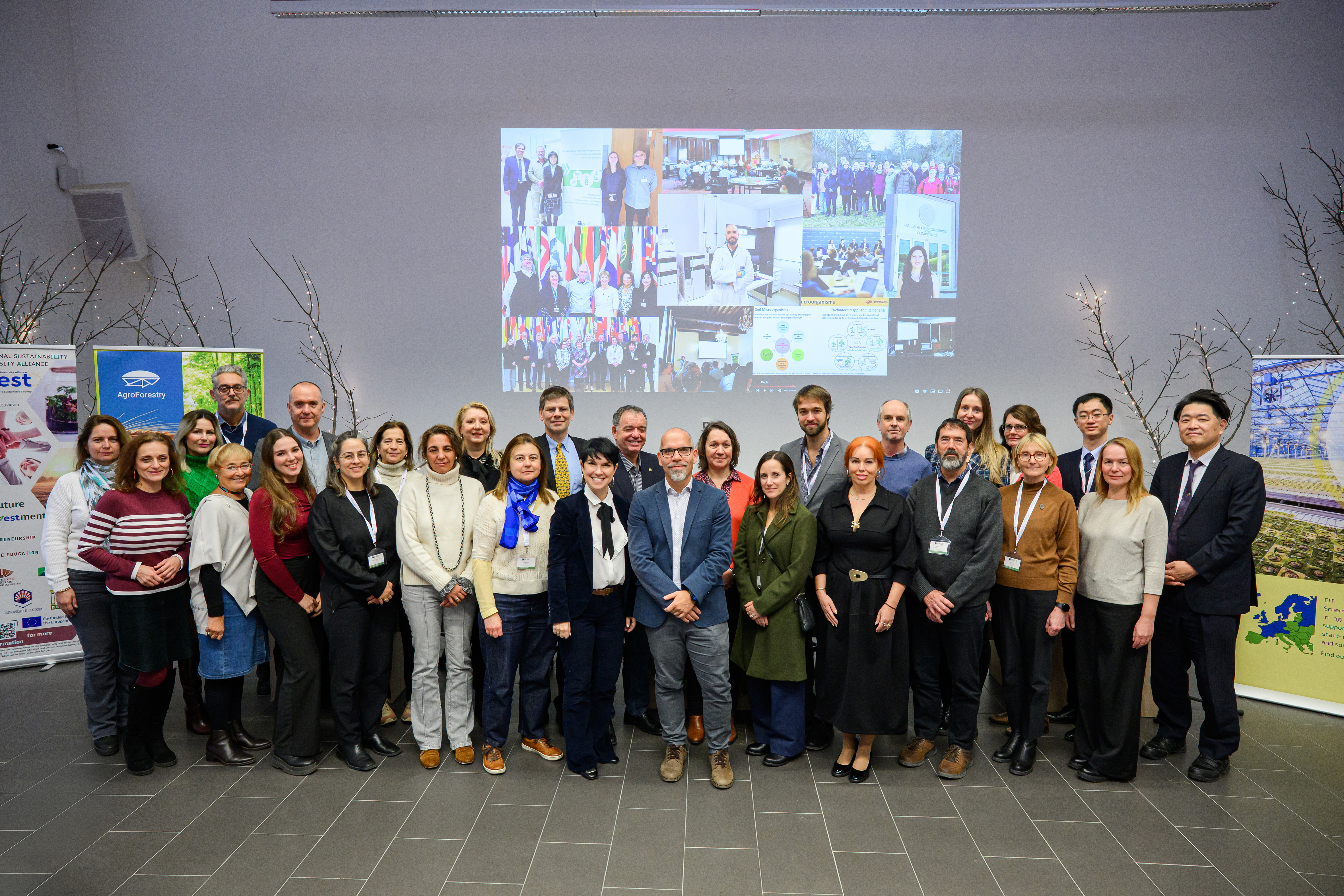
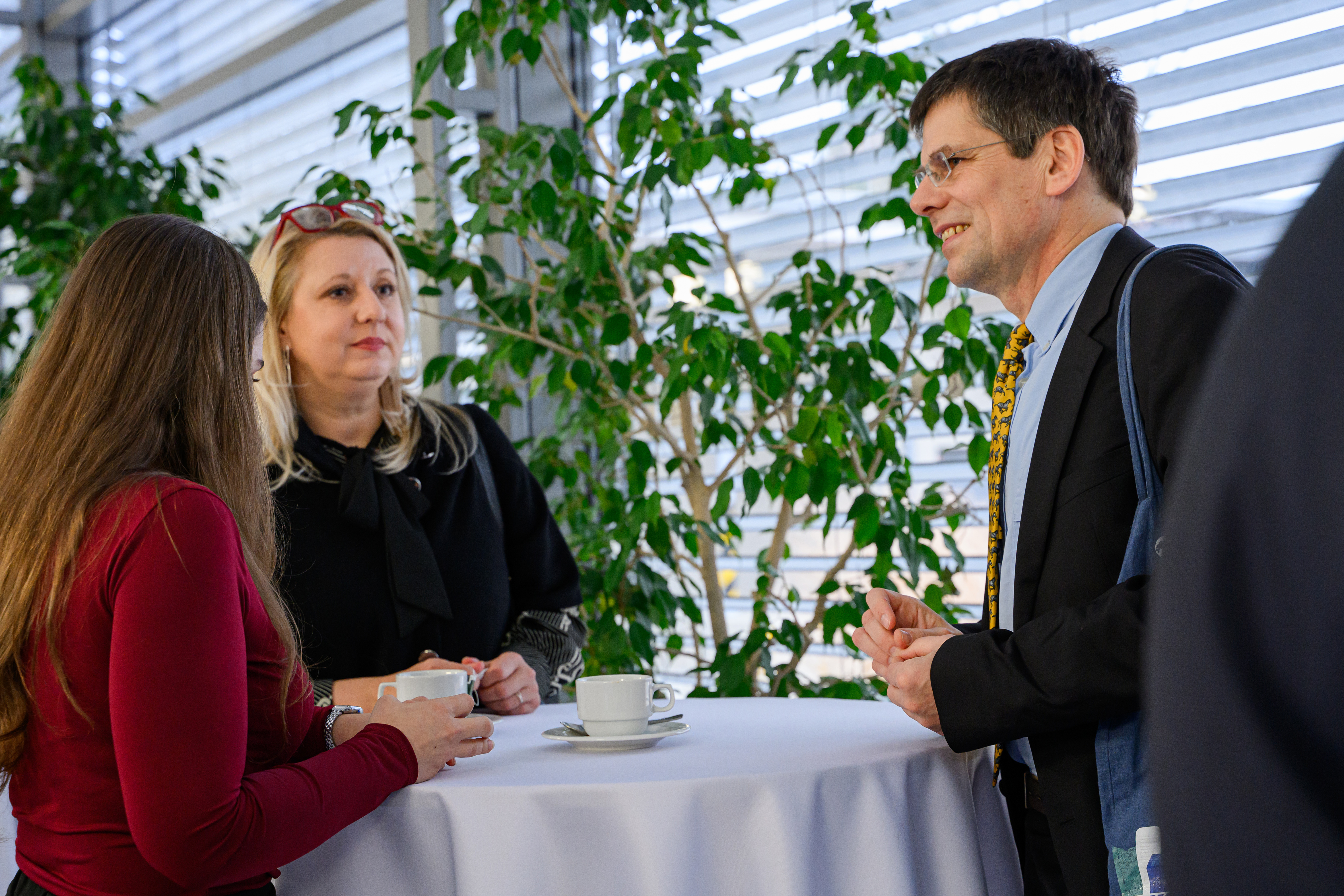
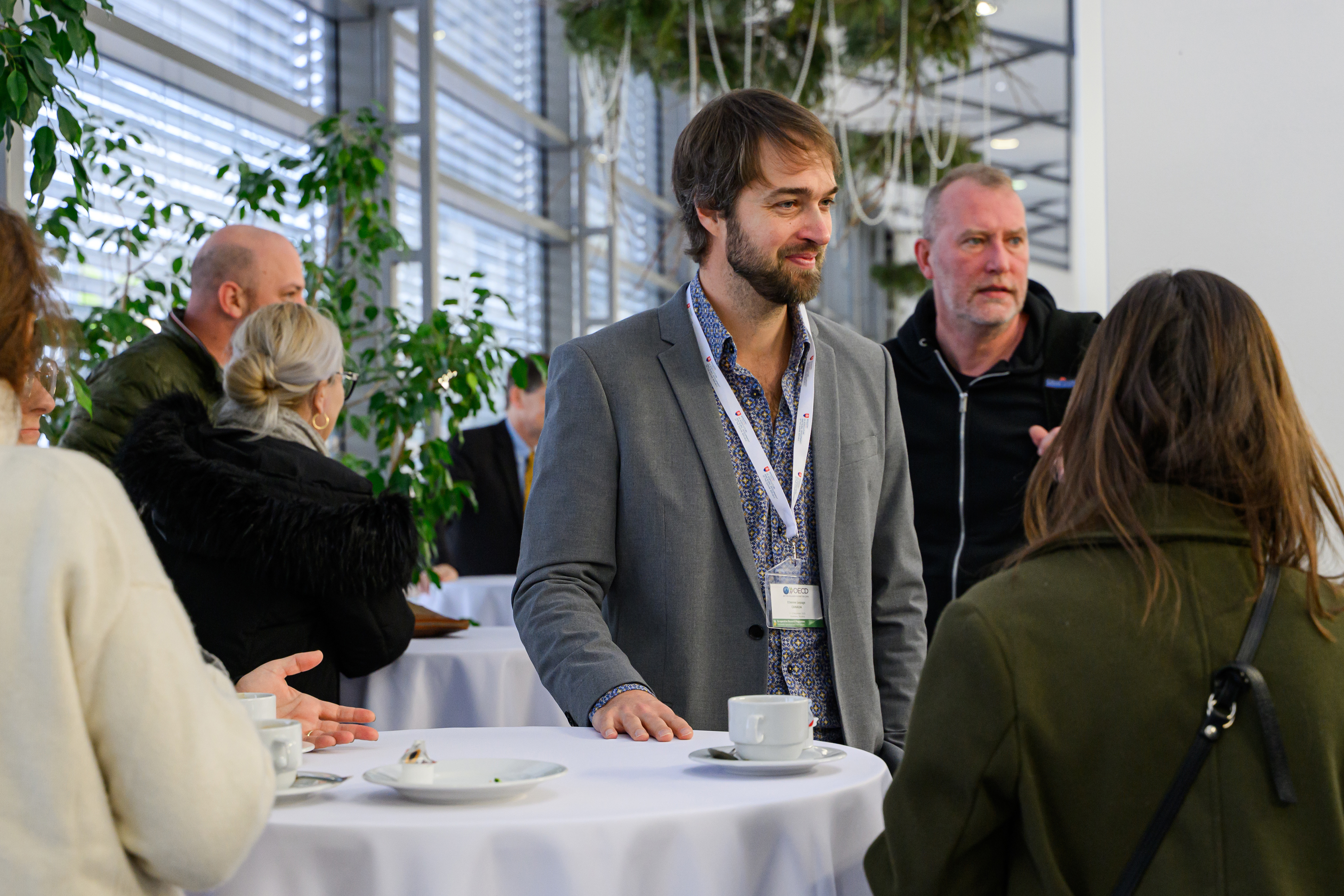
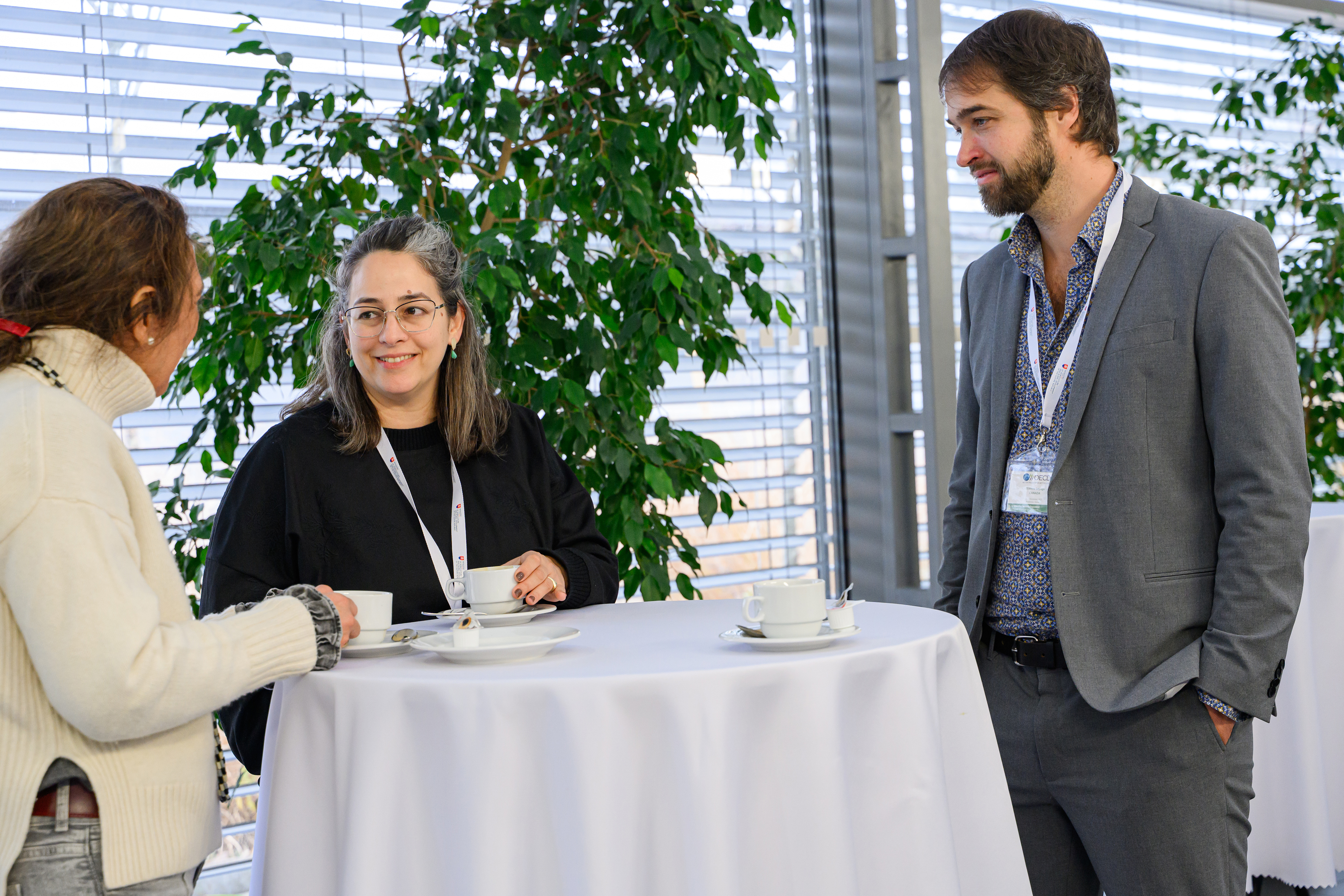
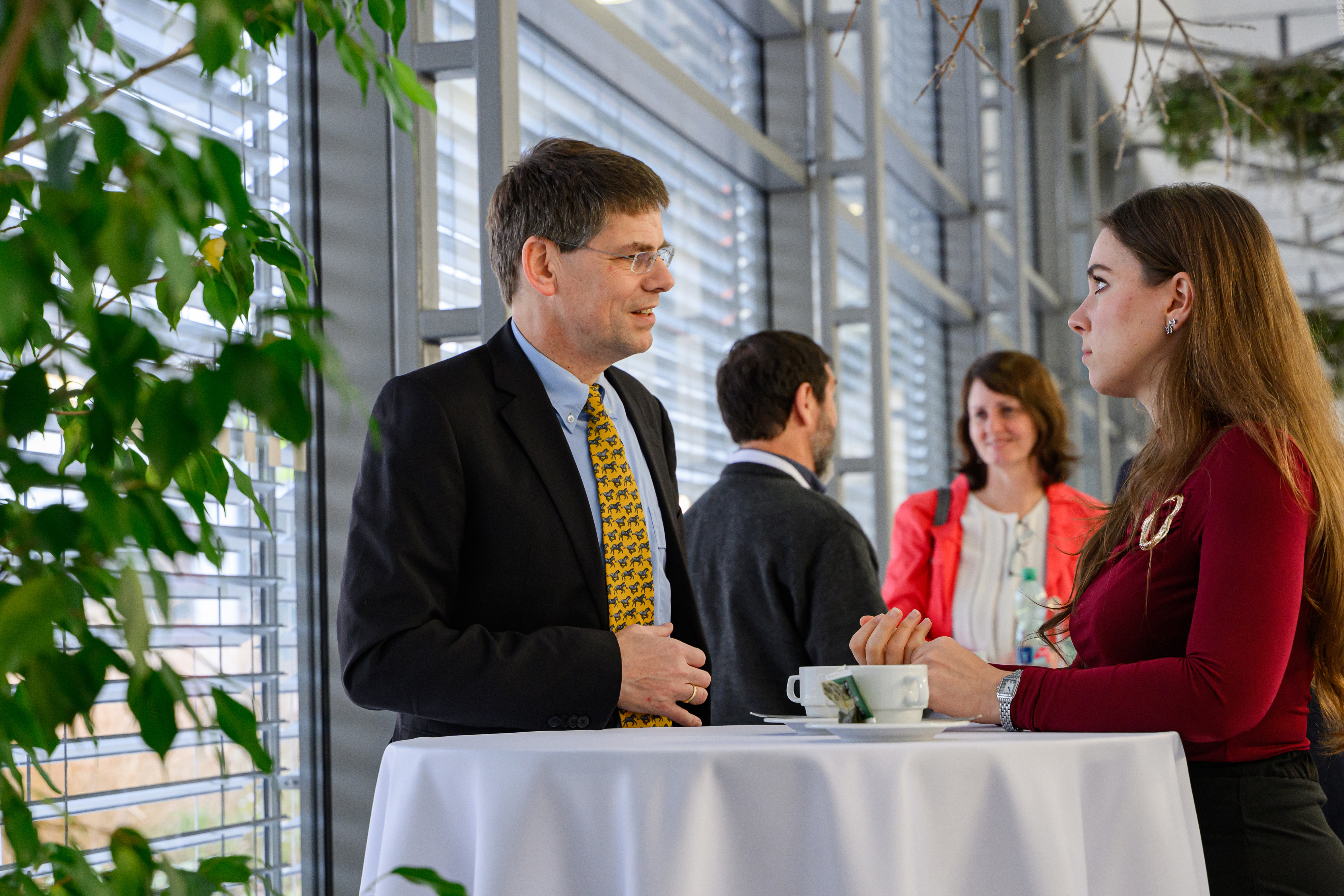
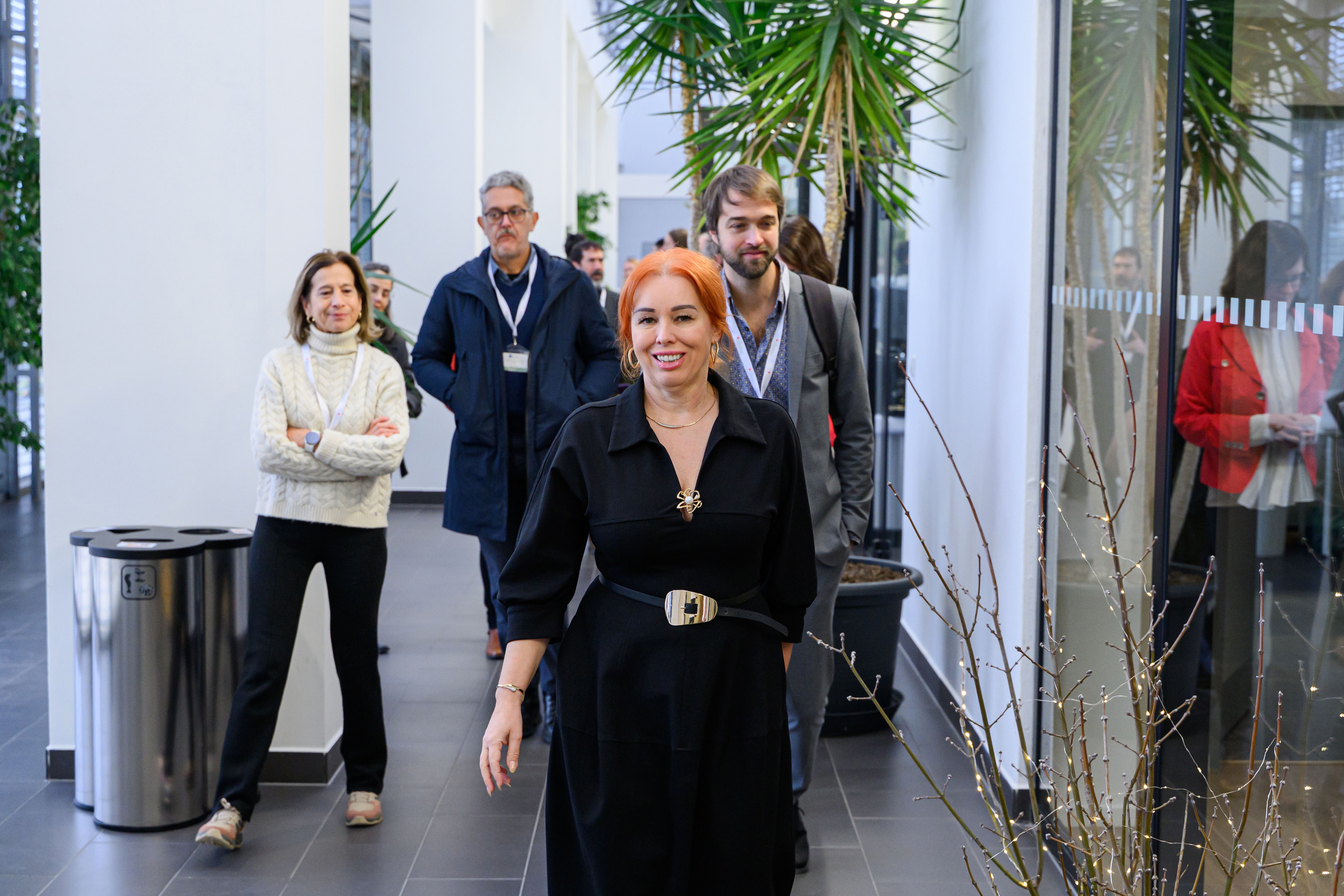
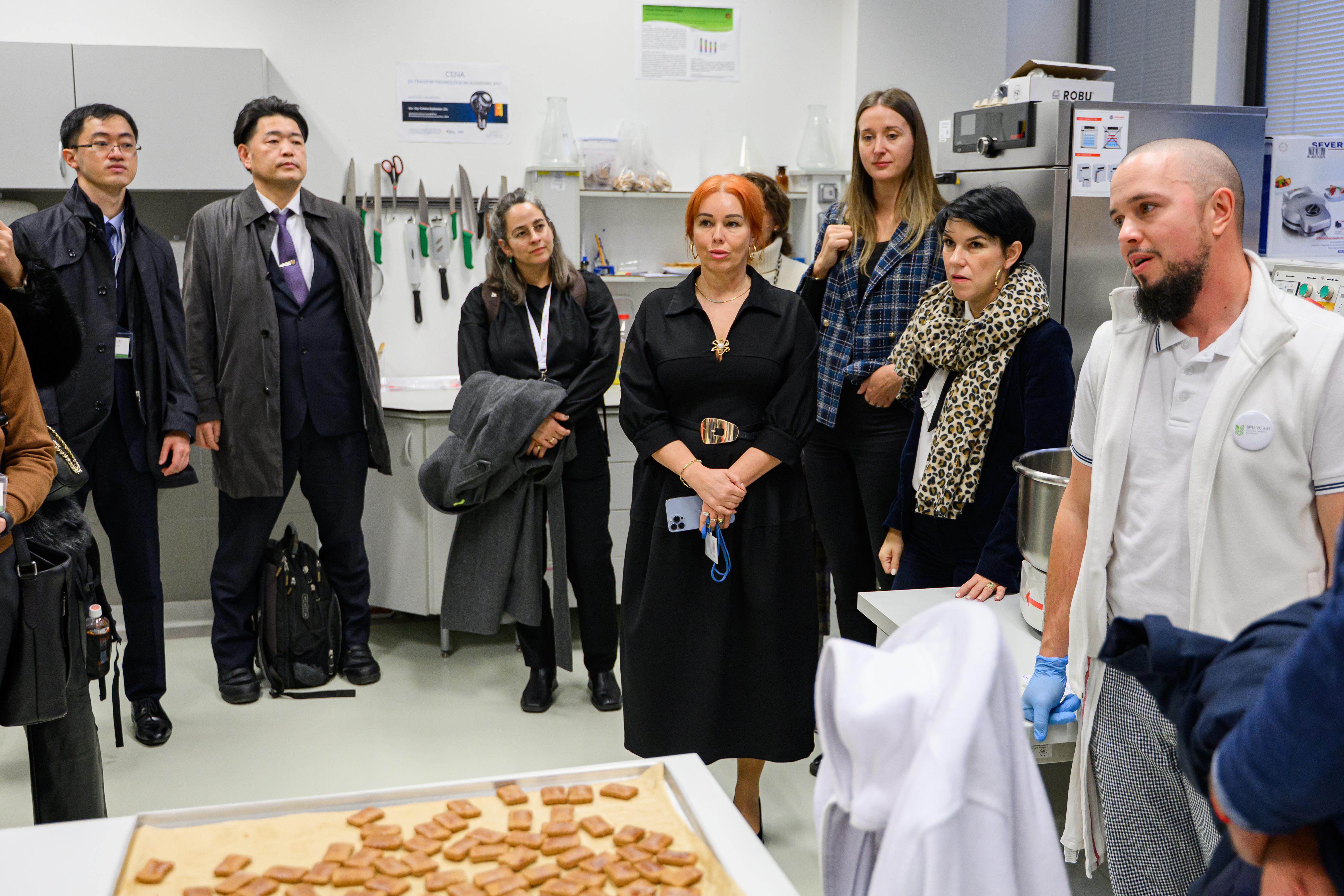
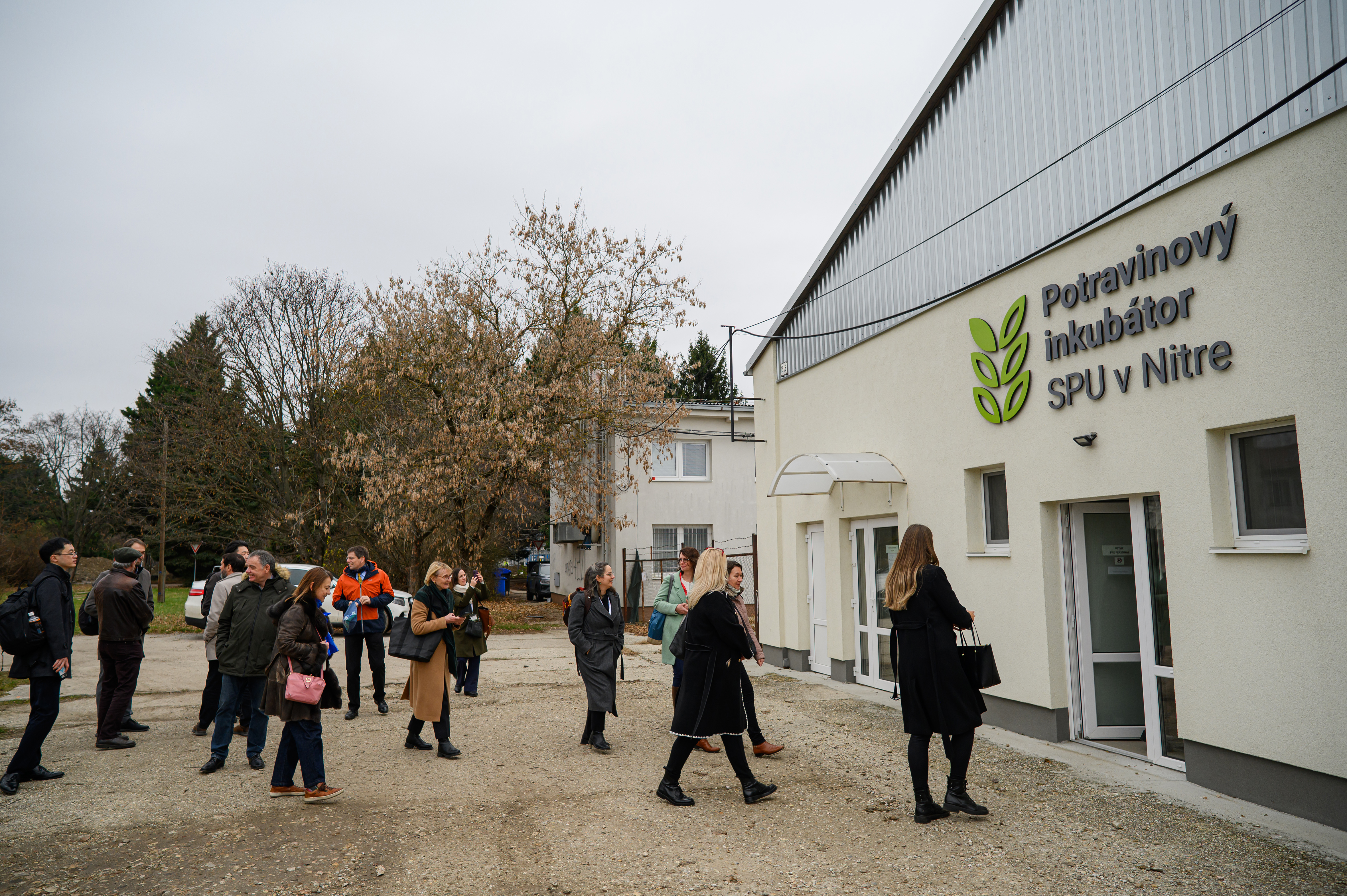
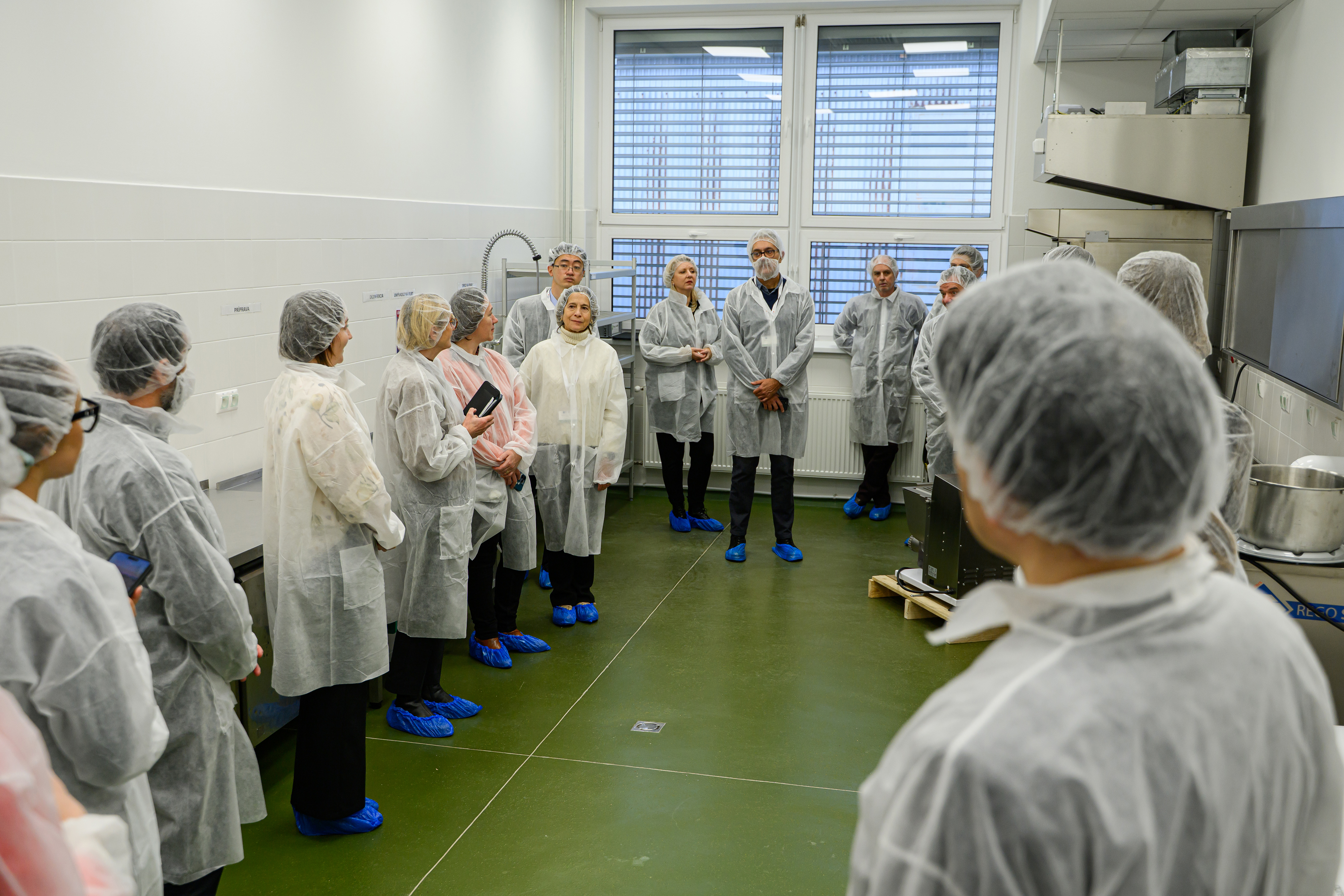
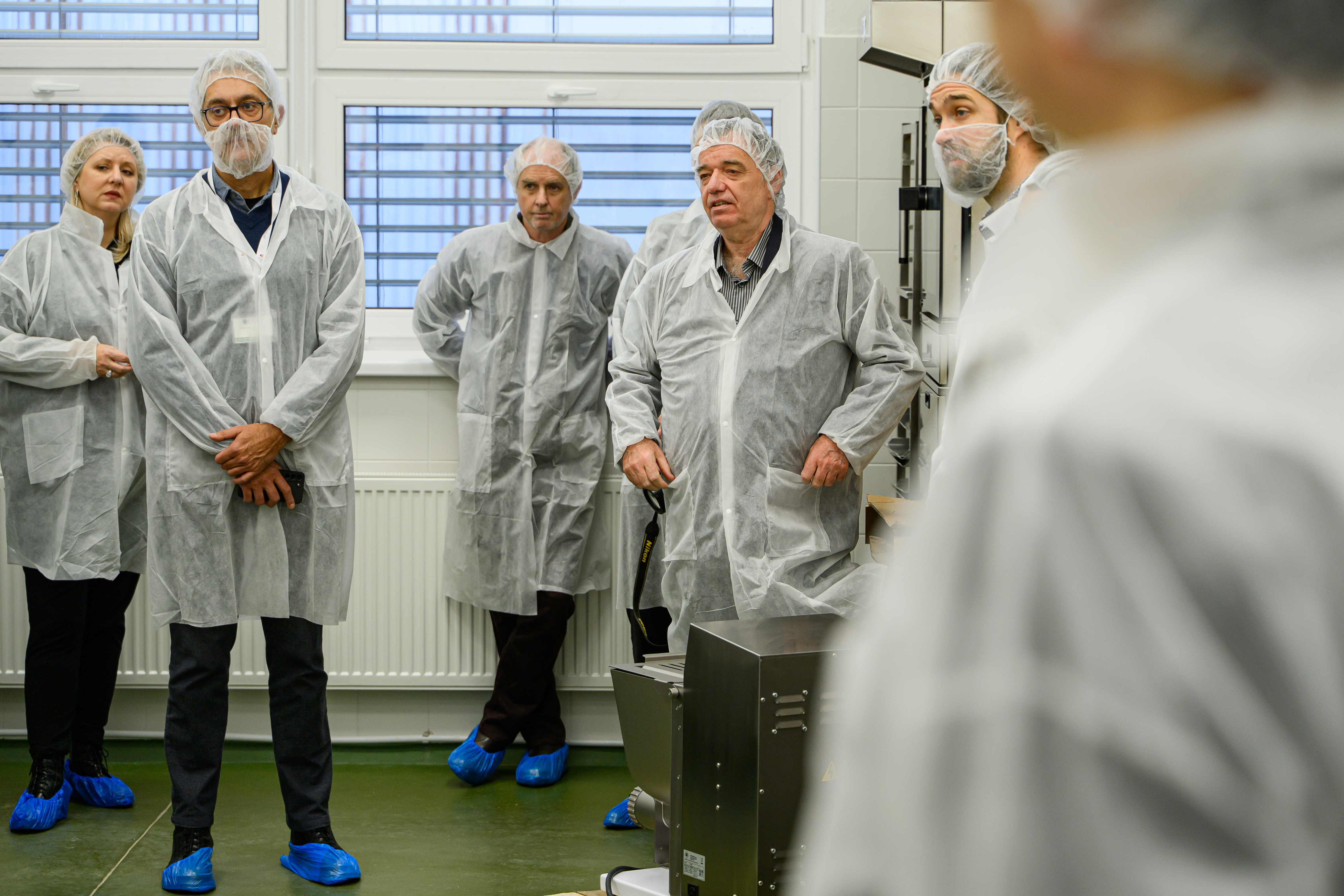
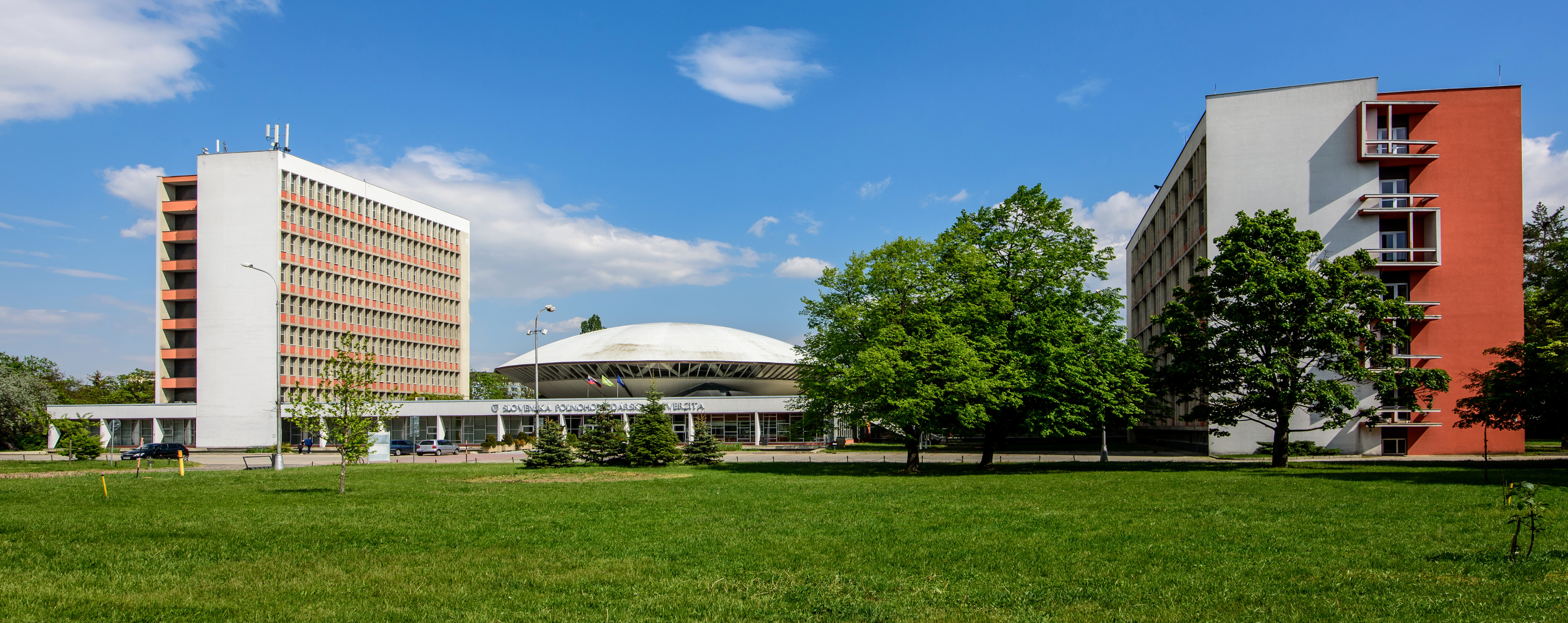
A meeting between representatives of the Organisation for Economic Co-operation and Development (OECD) in Paris and the Slovak University of Agriculture in Nitra (SUA) took place on 3 December at the AgroBioTech Research Centre of SUA.
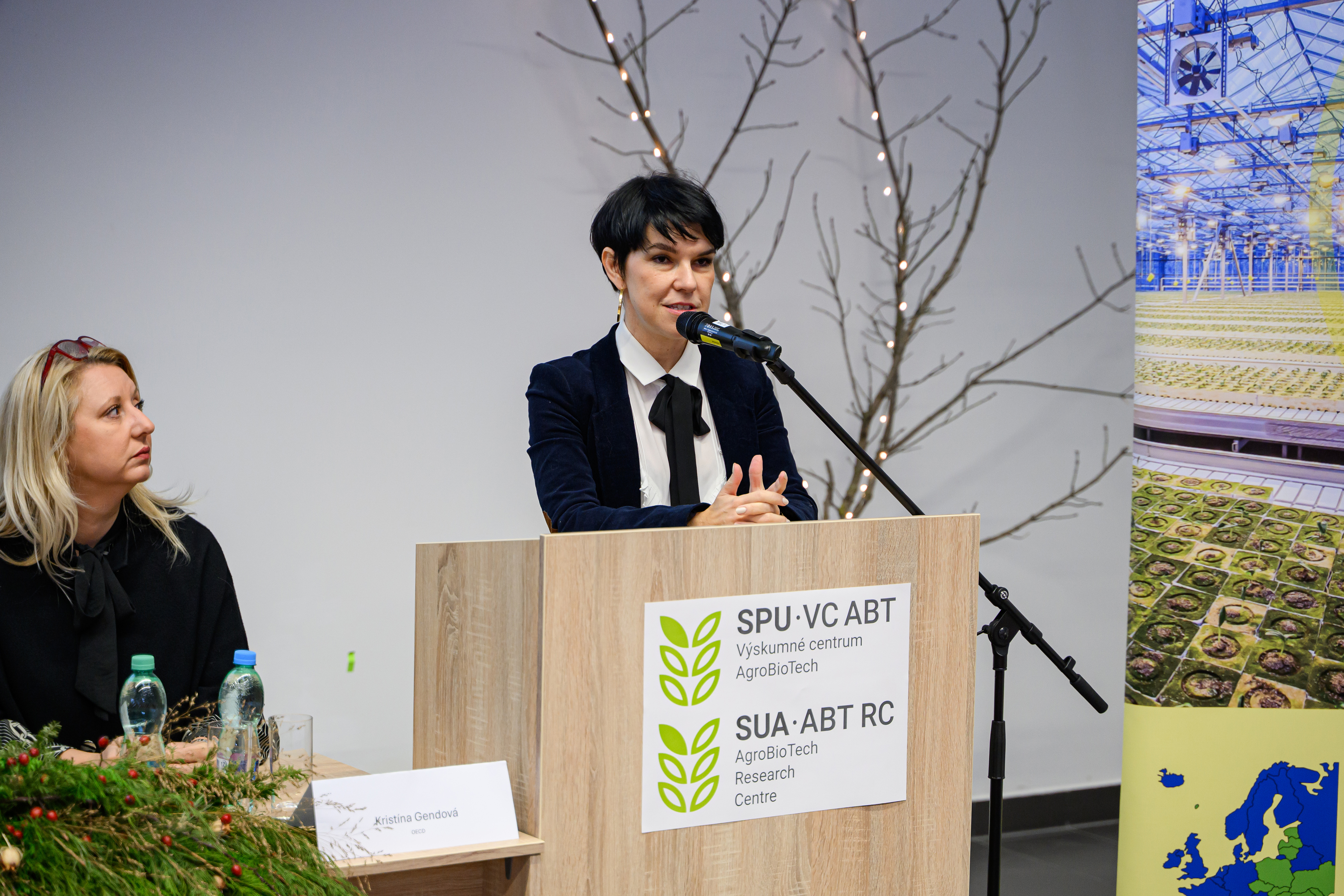
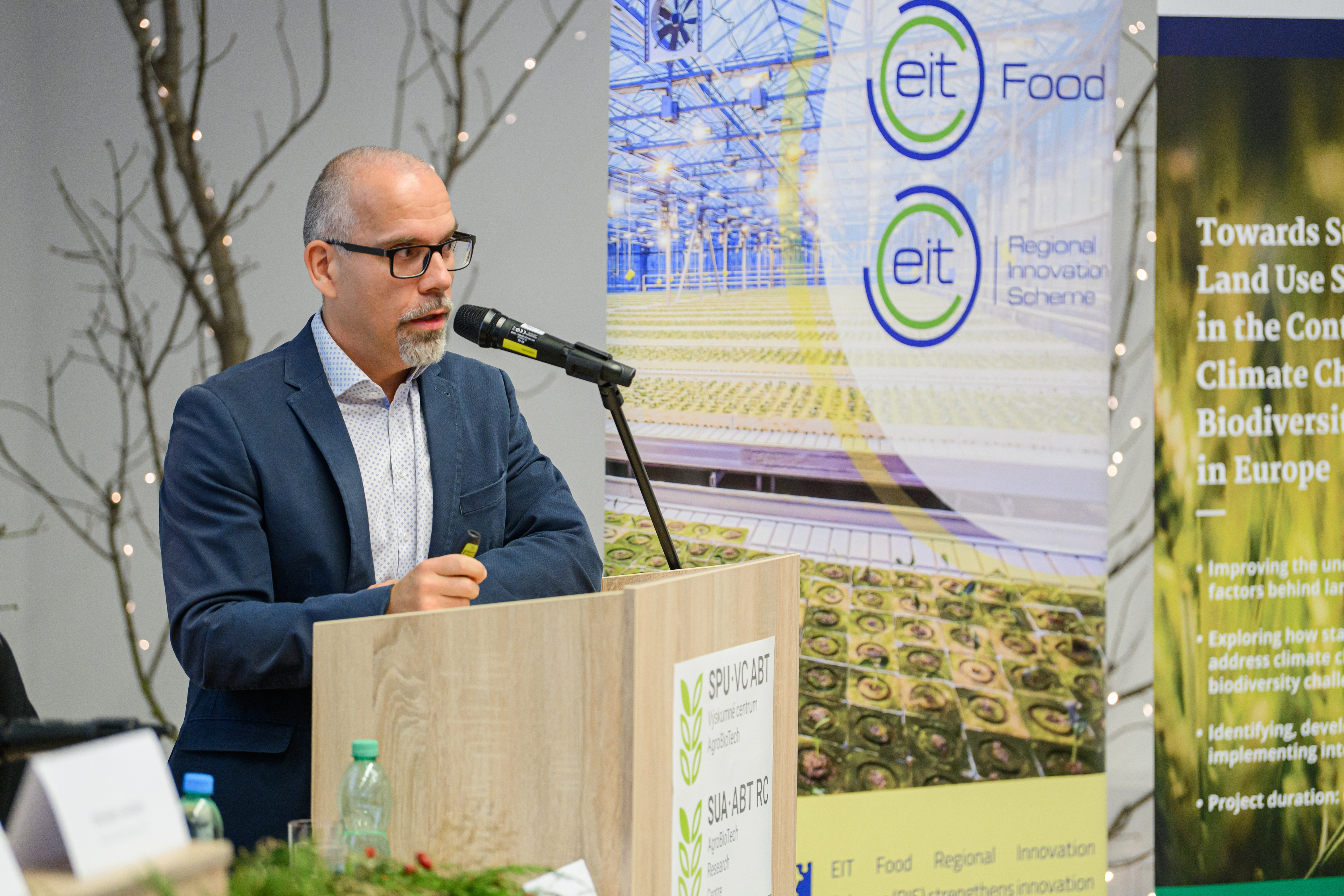
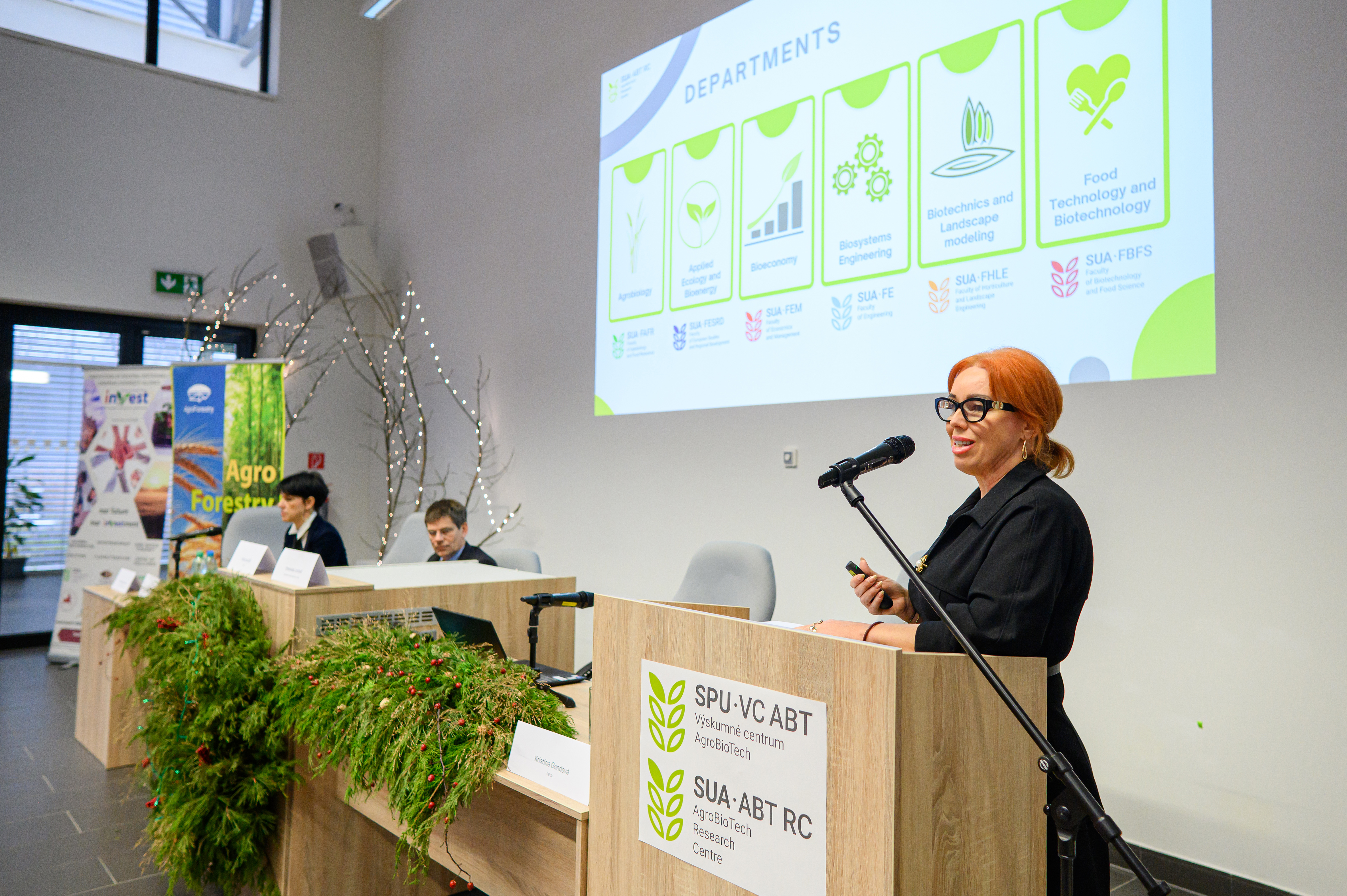
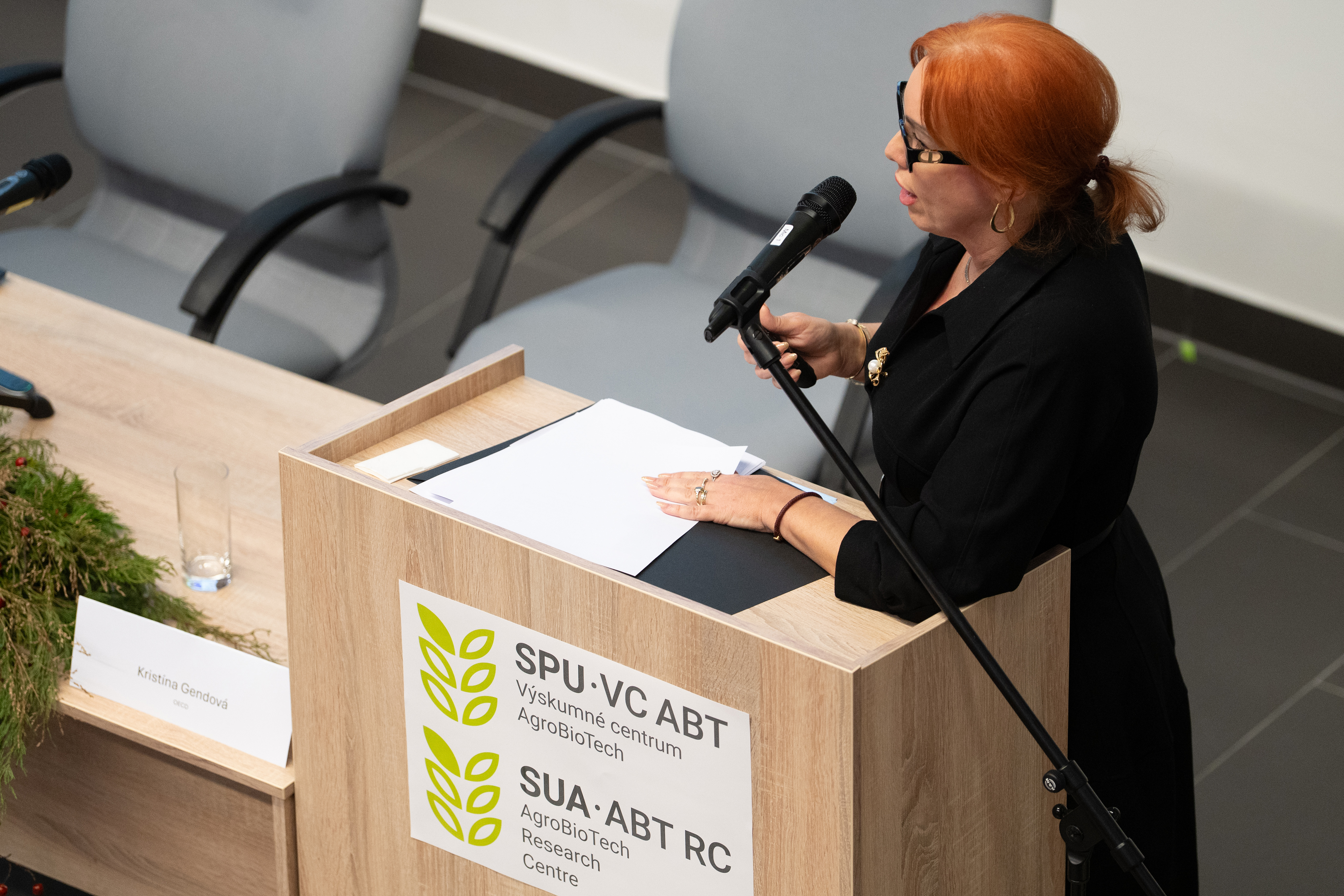
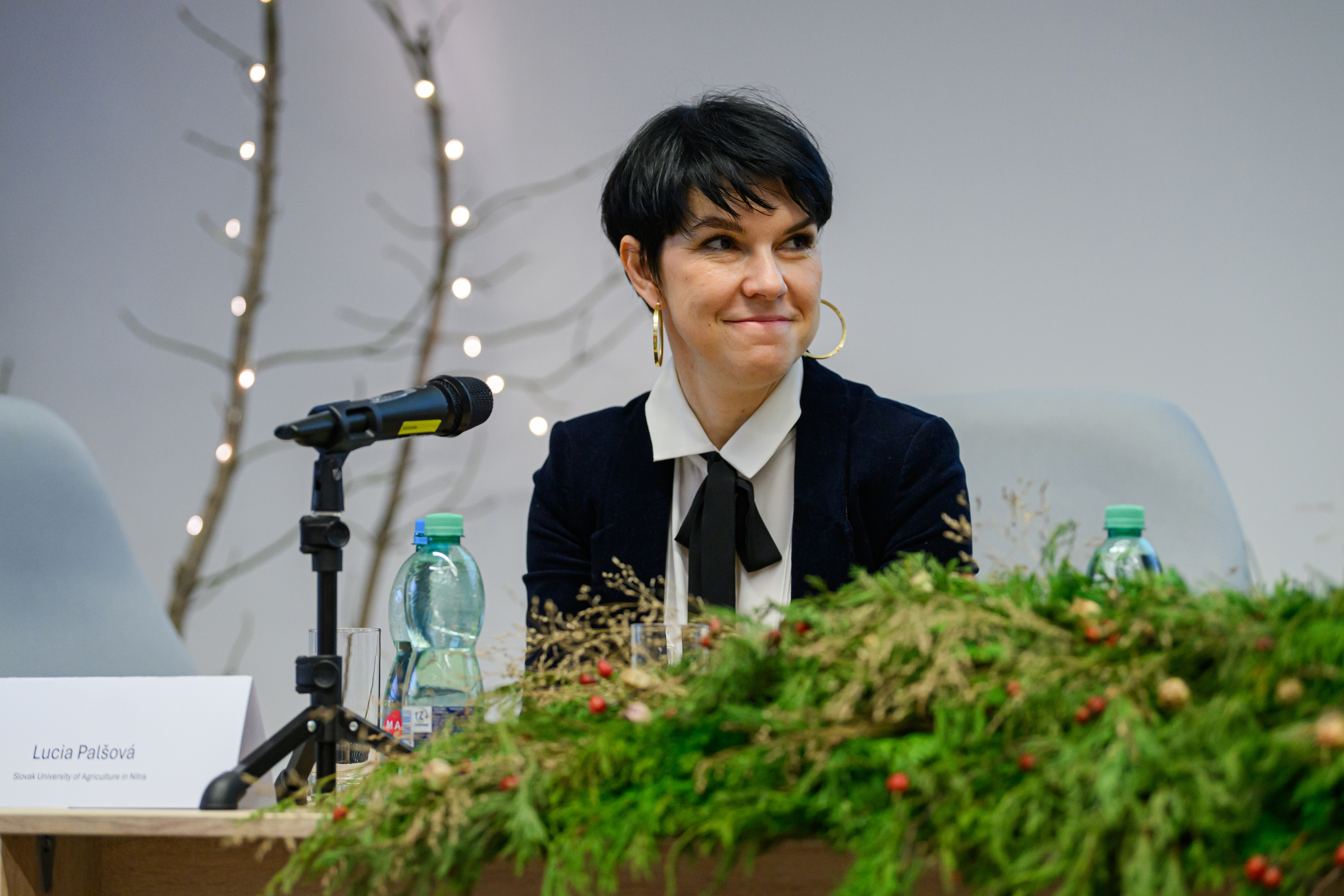
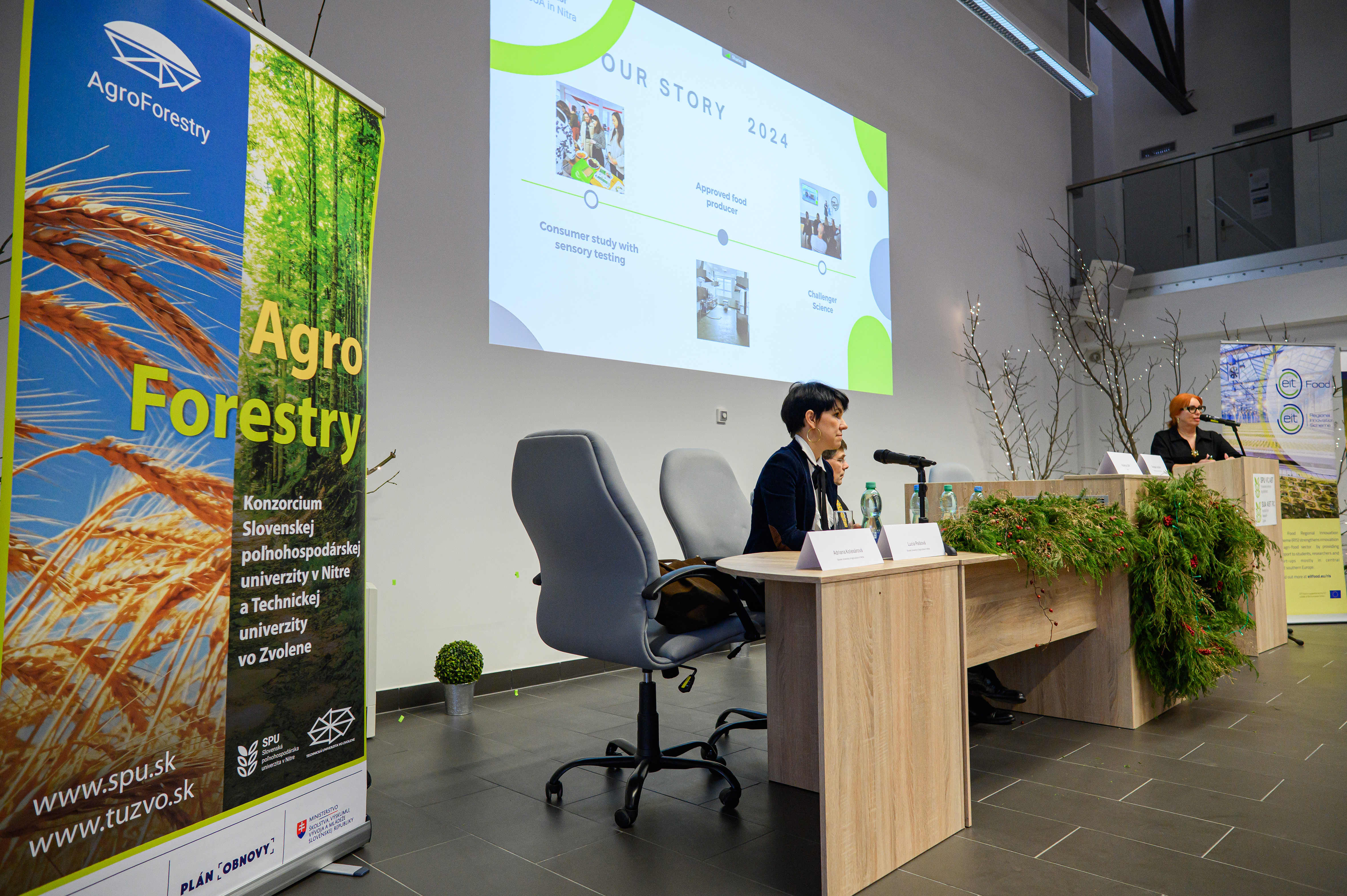
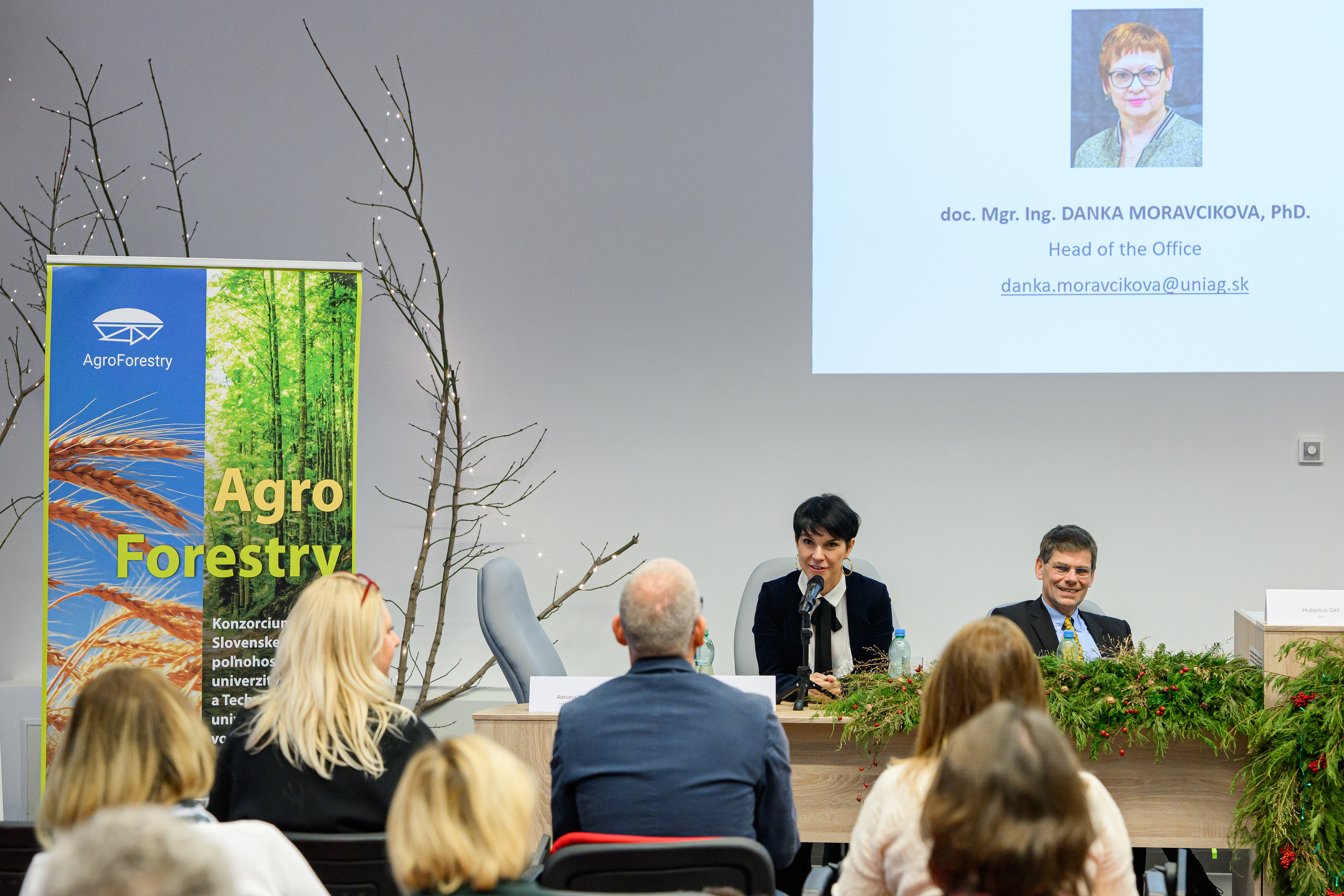
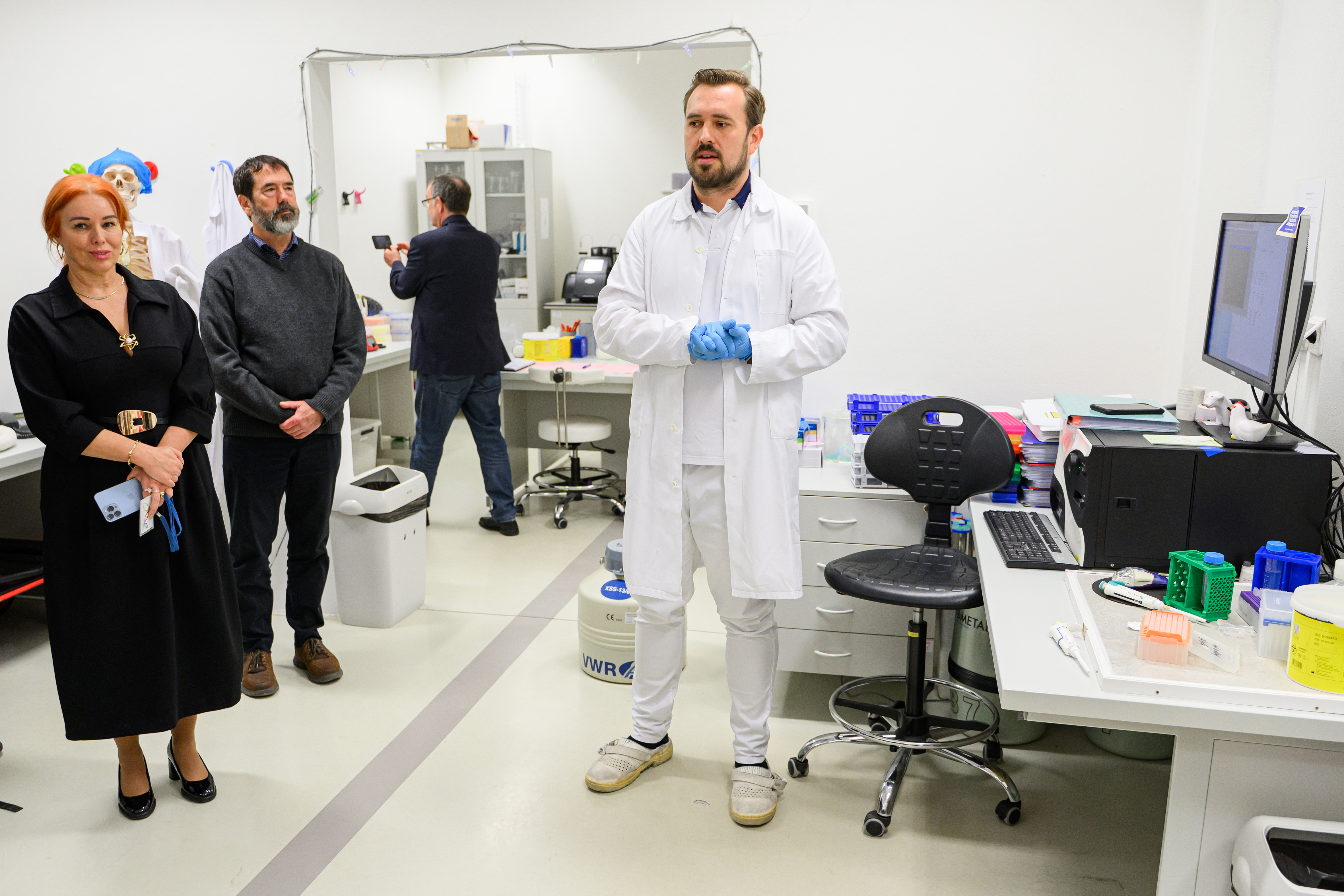
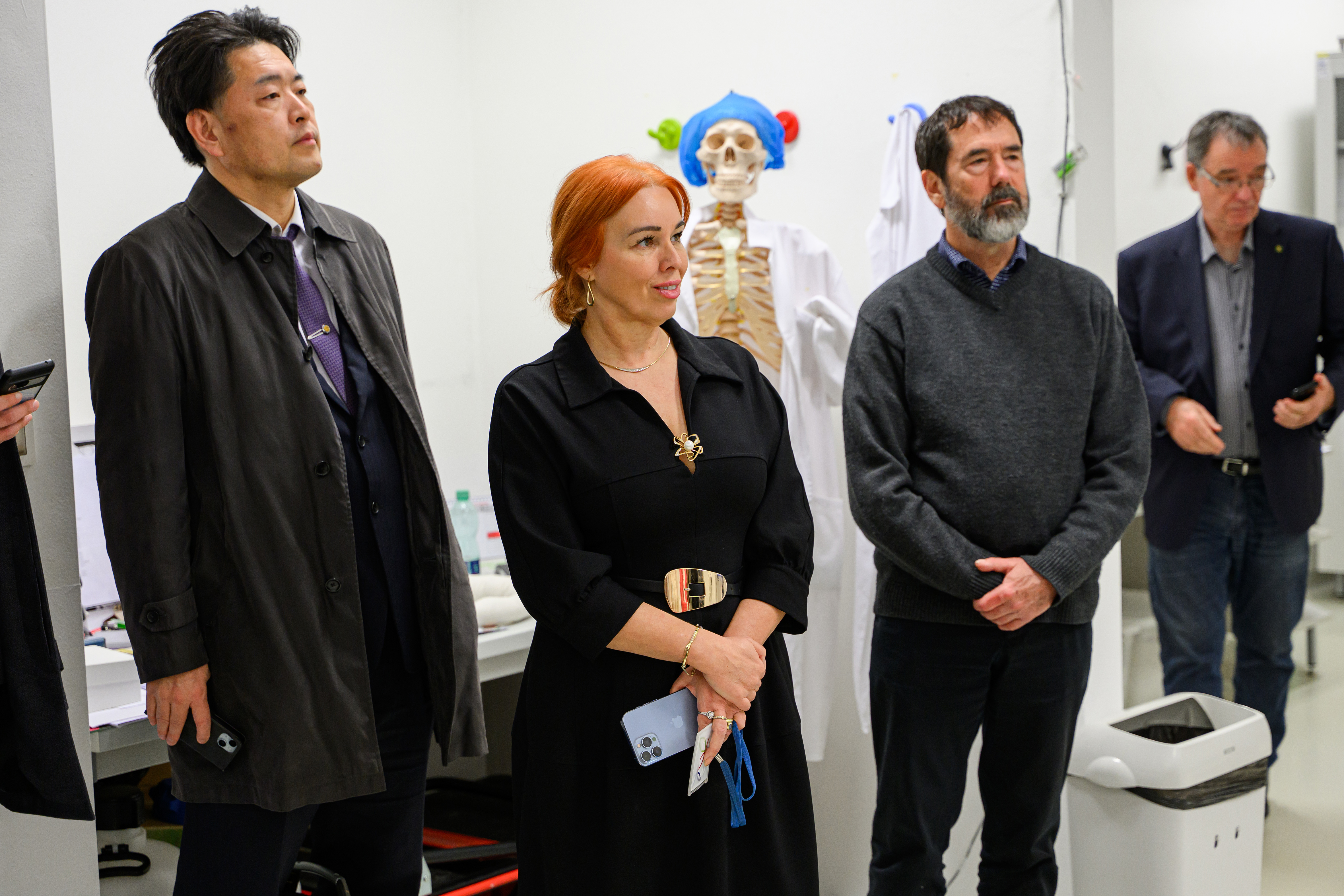
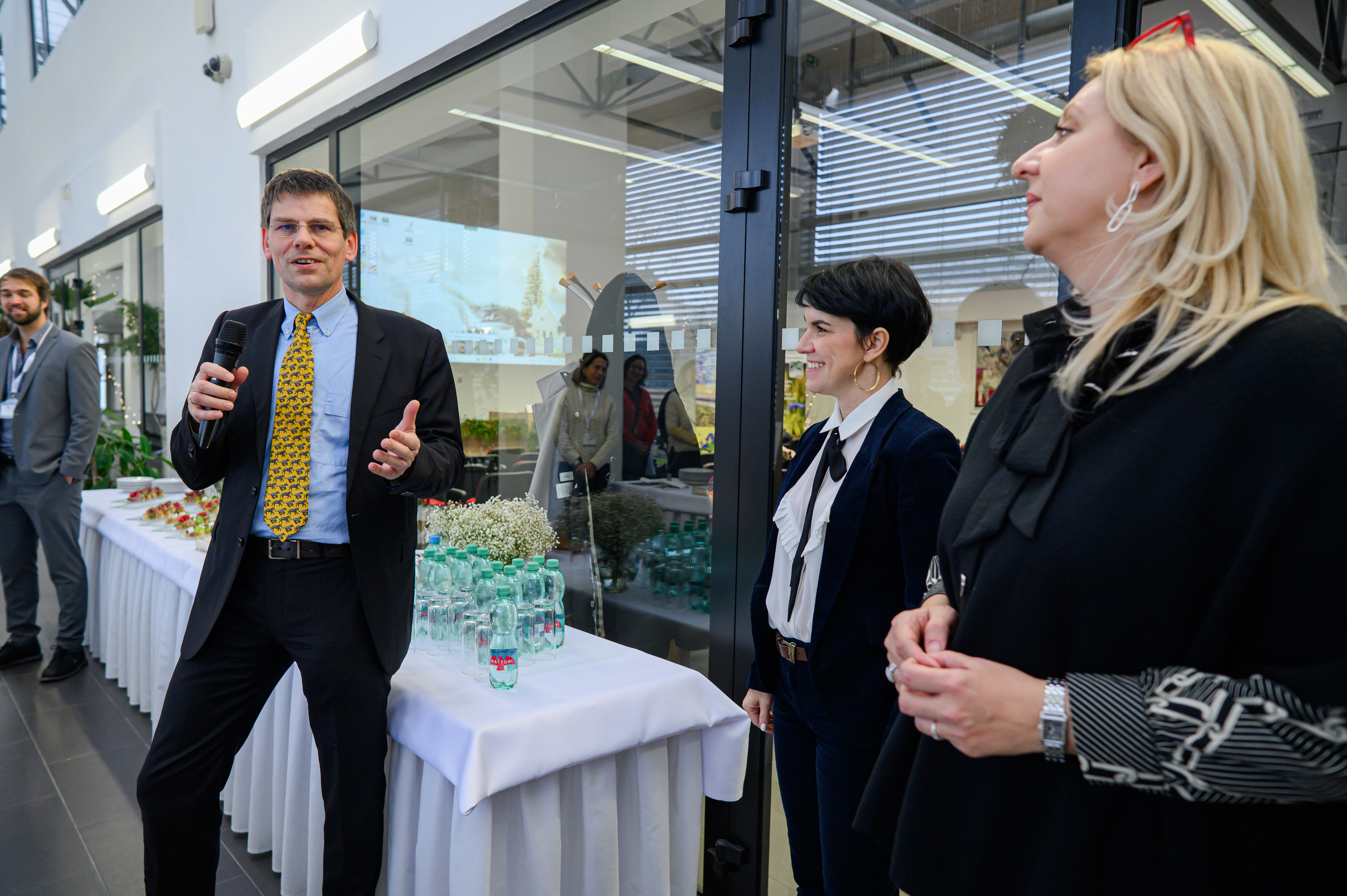
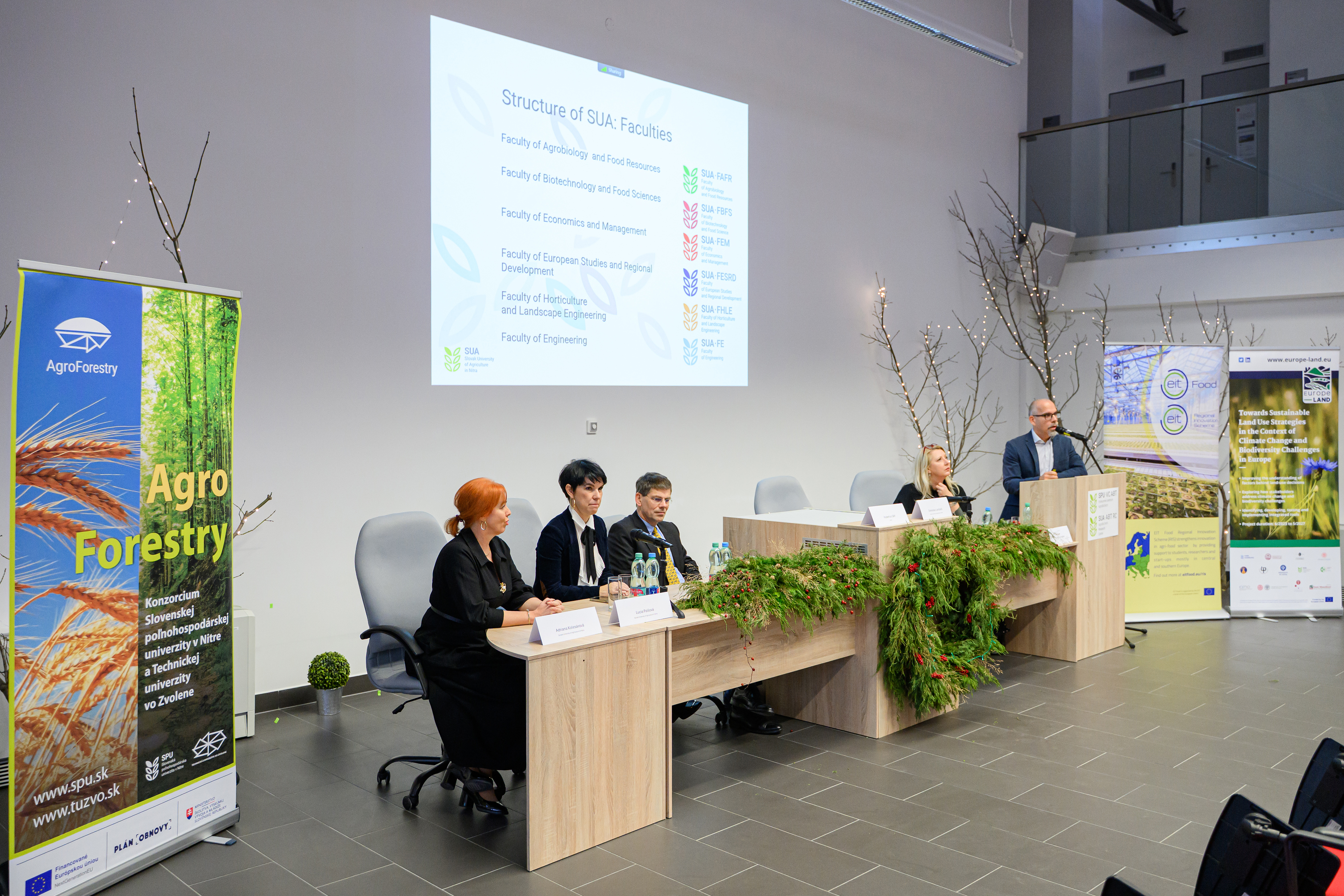
The delegation was led by Hubertus Gay, Acting Director of the OECD Division for Agro-Food Trade and Markets, and Kristína Gendová Ruzsíková, Counsellor of the Permanent Mission of the Slovak Republic to the OECD in Paris. The guests were welcomed by Lucia Palšová, Vice-Rector of SUA for Strategic Development and Internationalisation, and Drahoslav Lančarič, Vice-Rector of SUA for Science and Research, who briefly presented the university and its achievements.
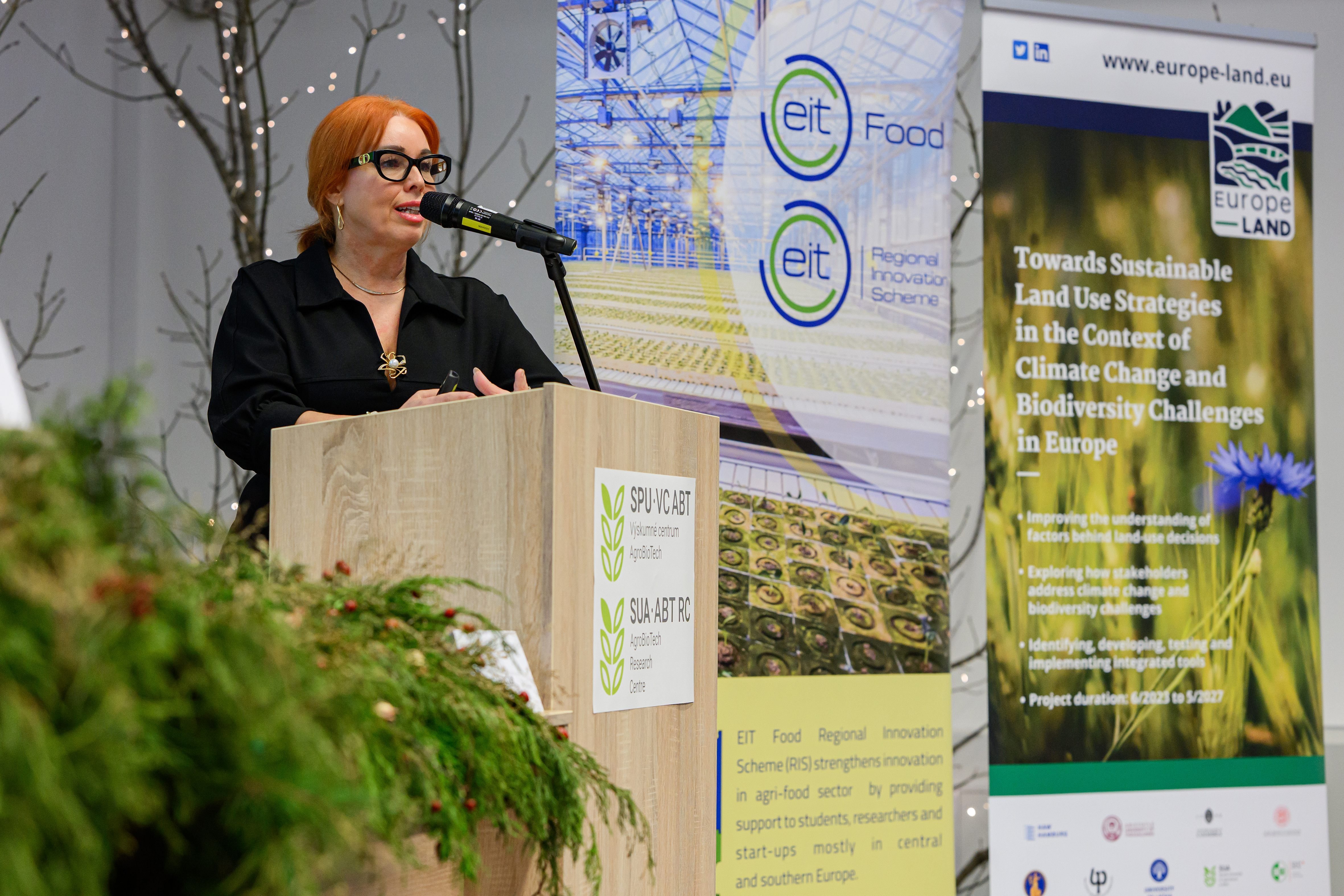
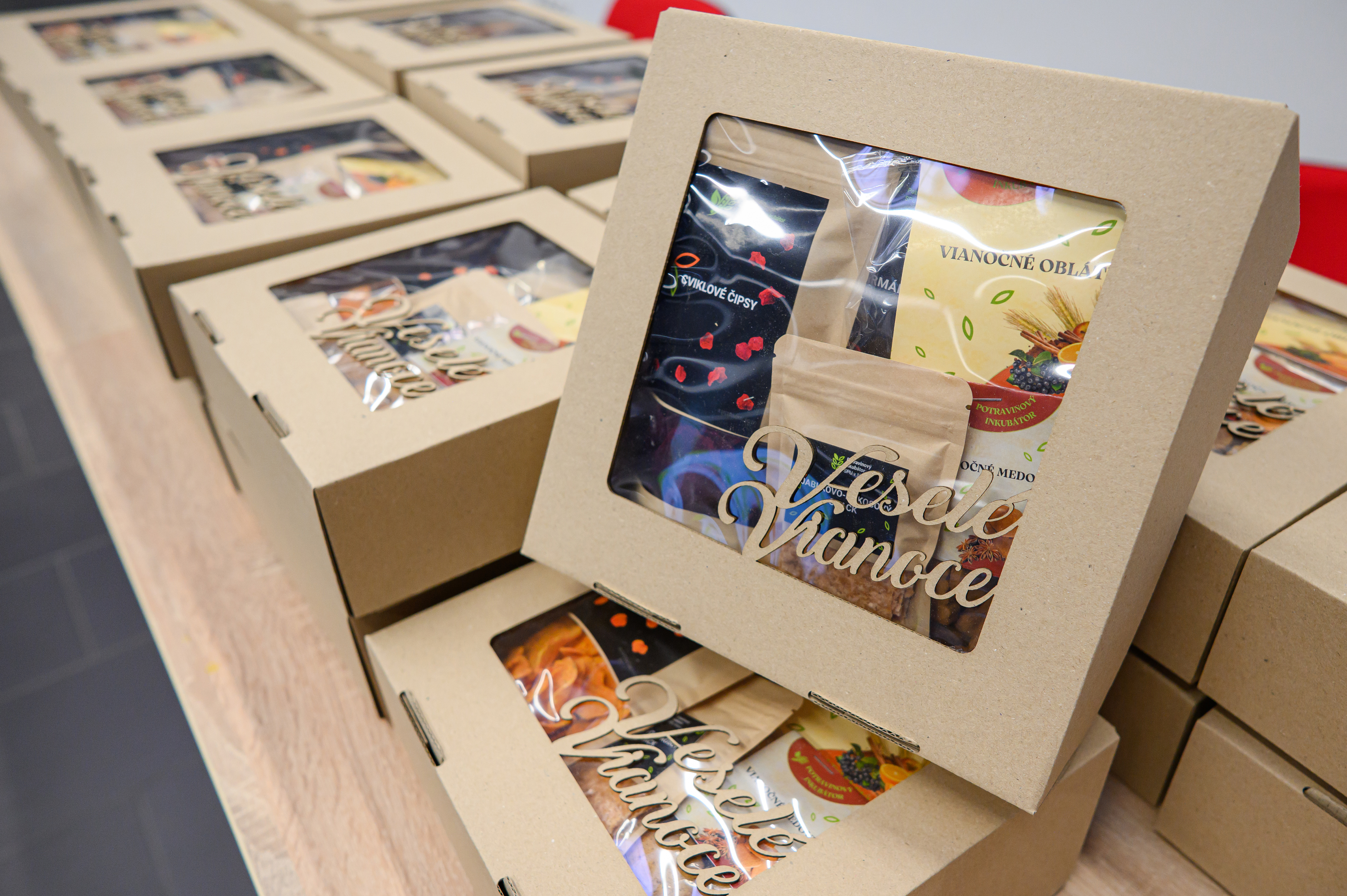
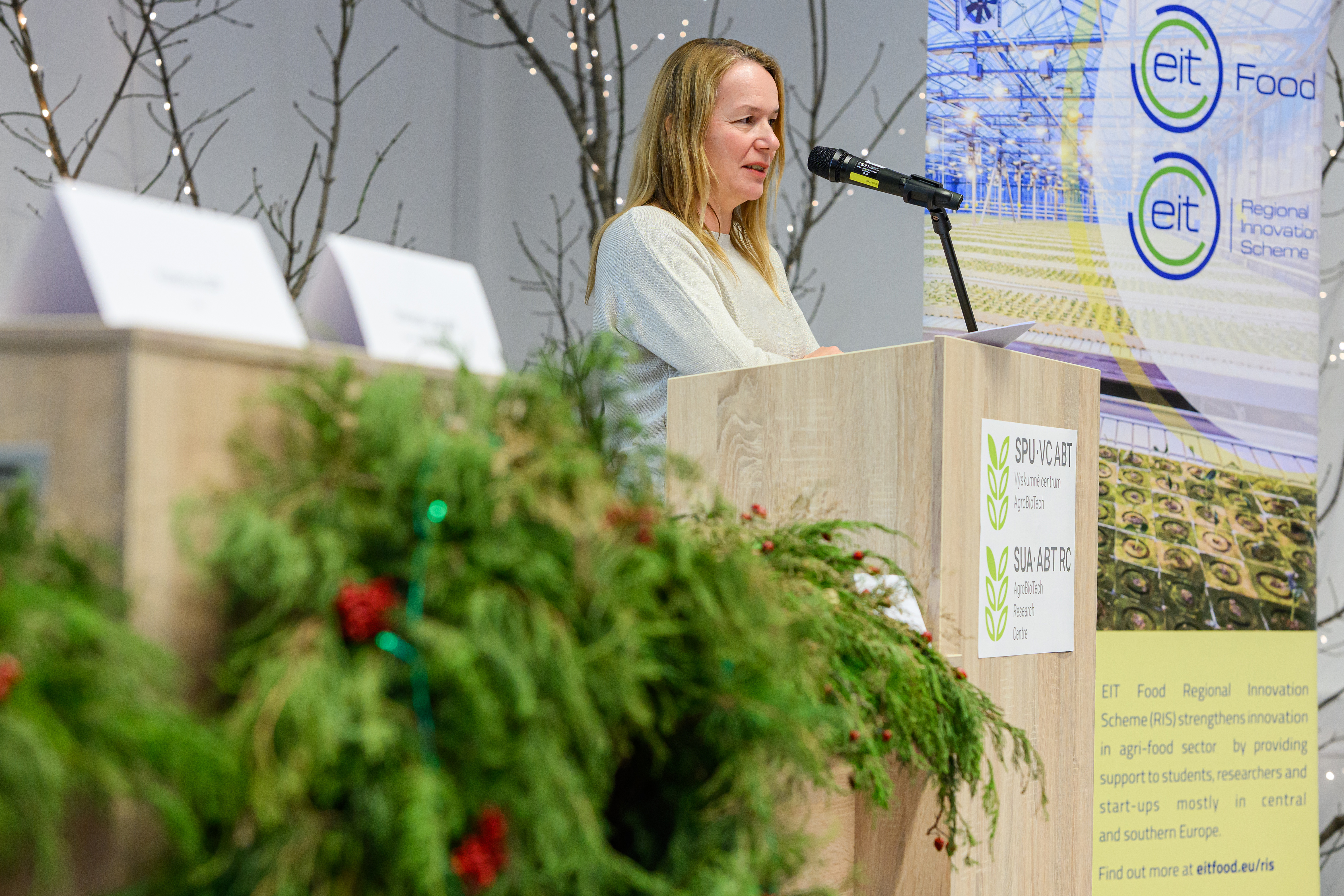
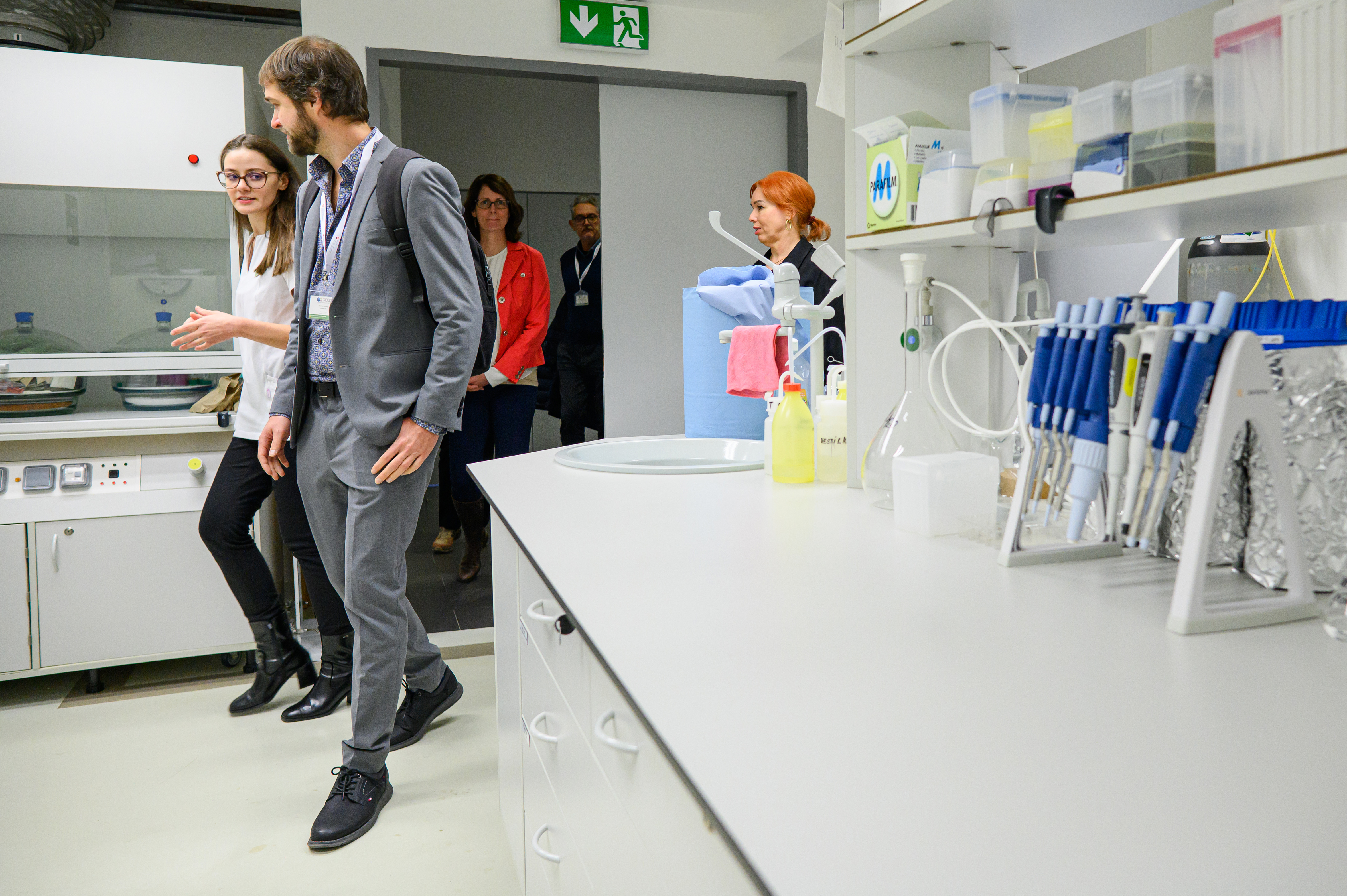
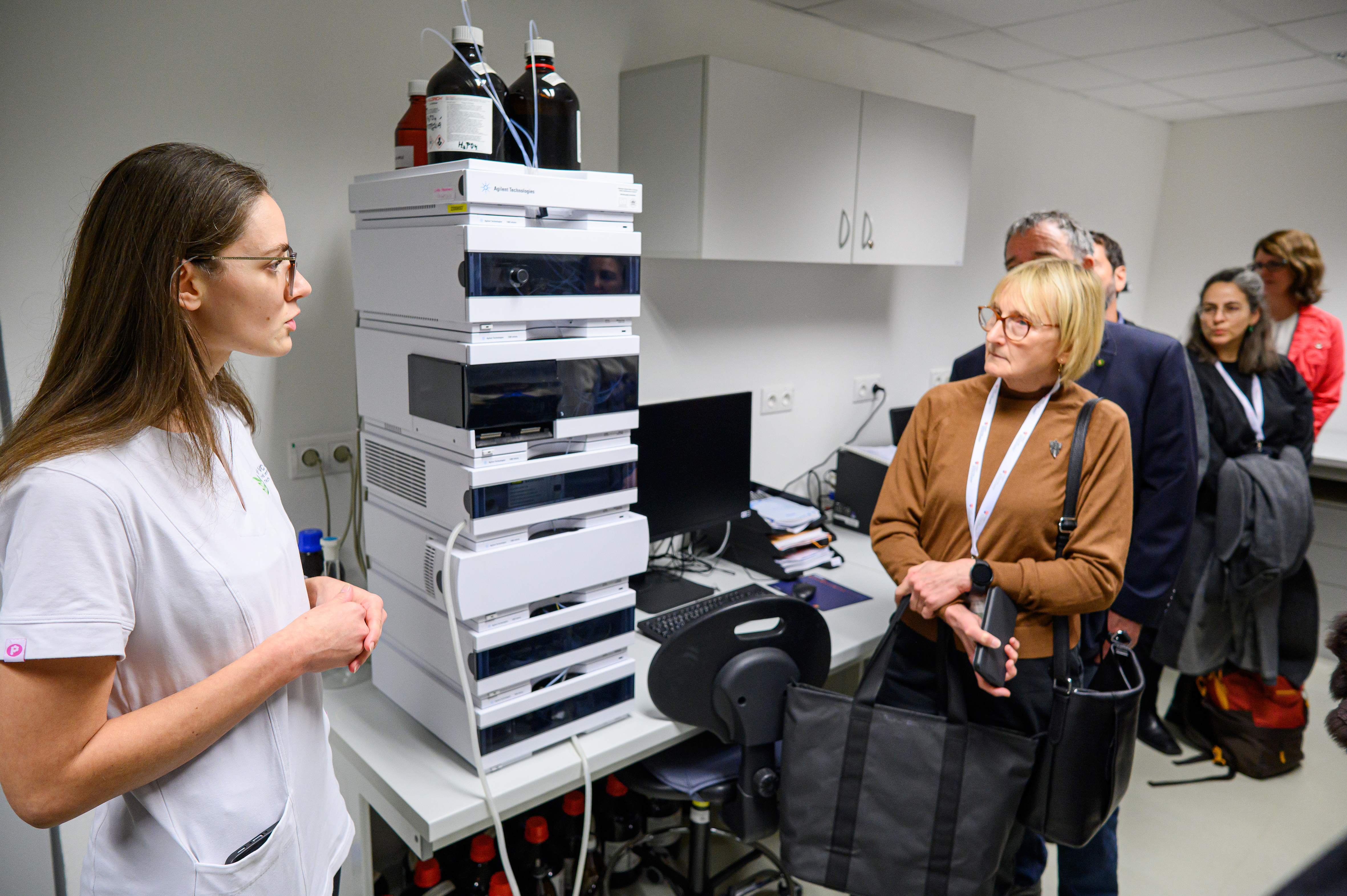
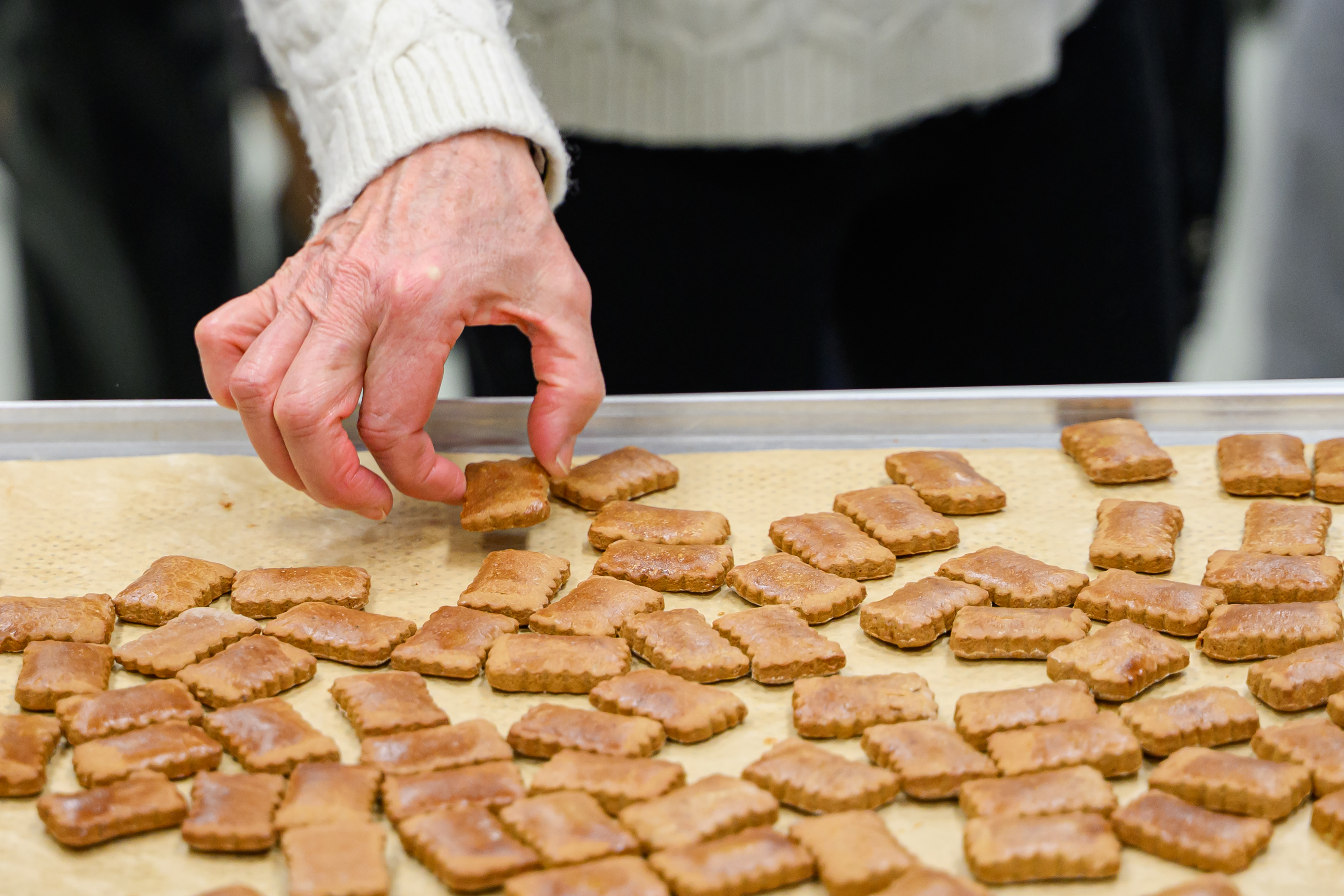
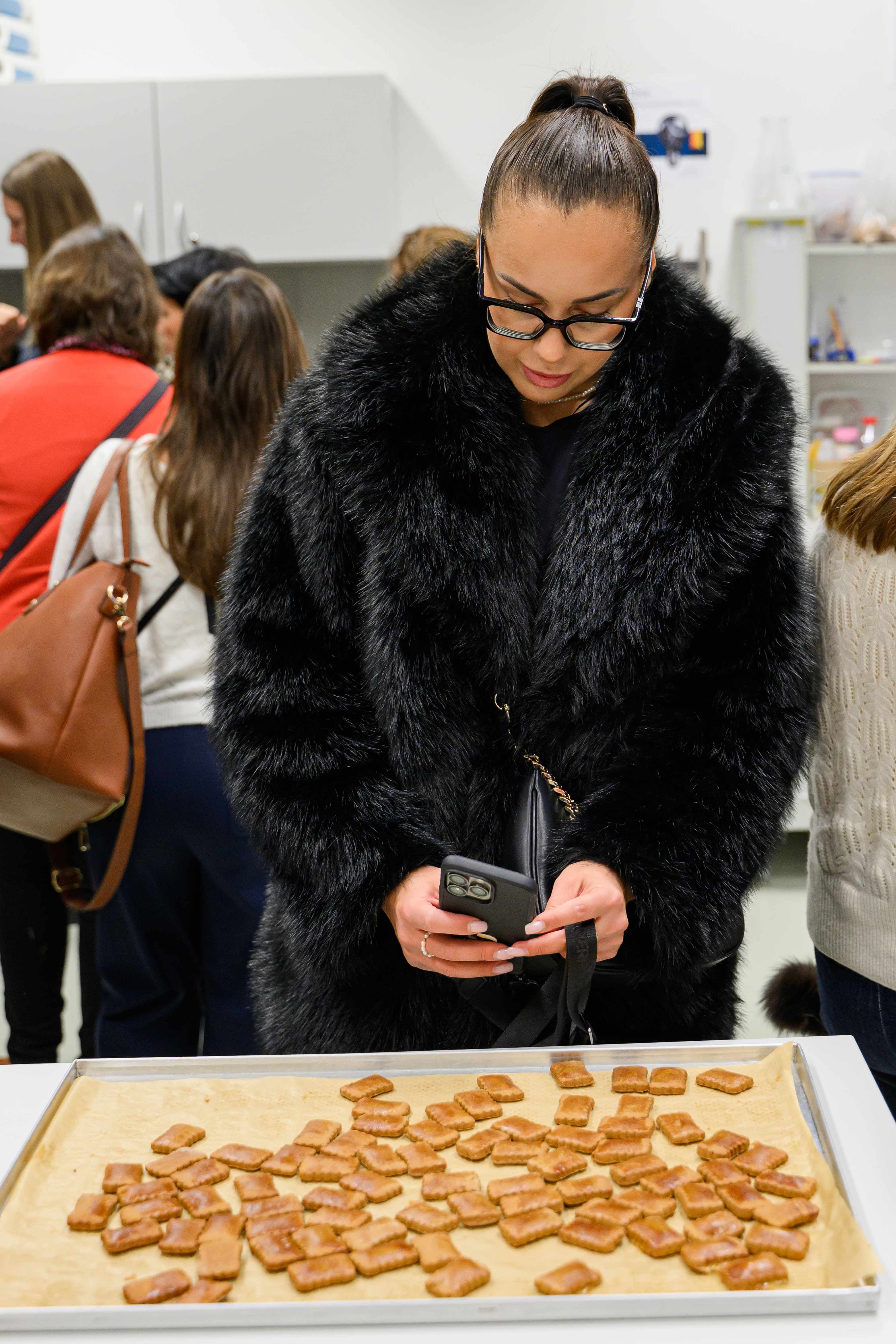
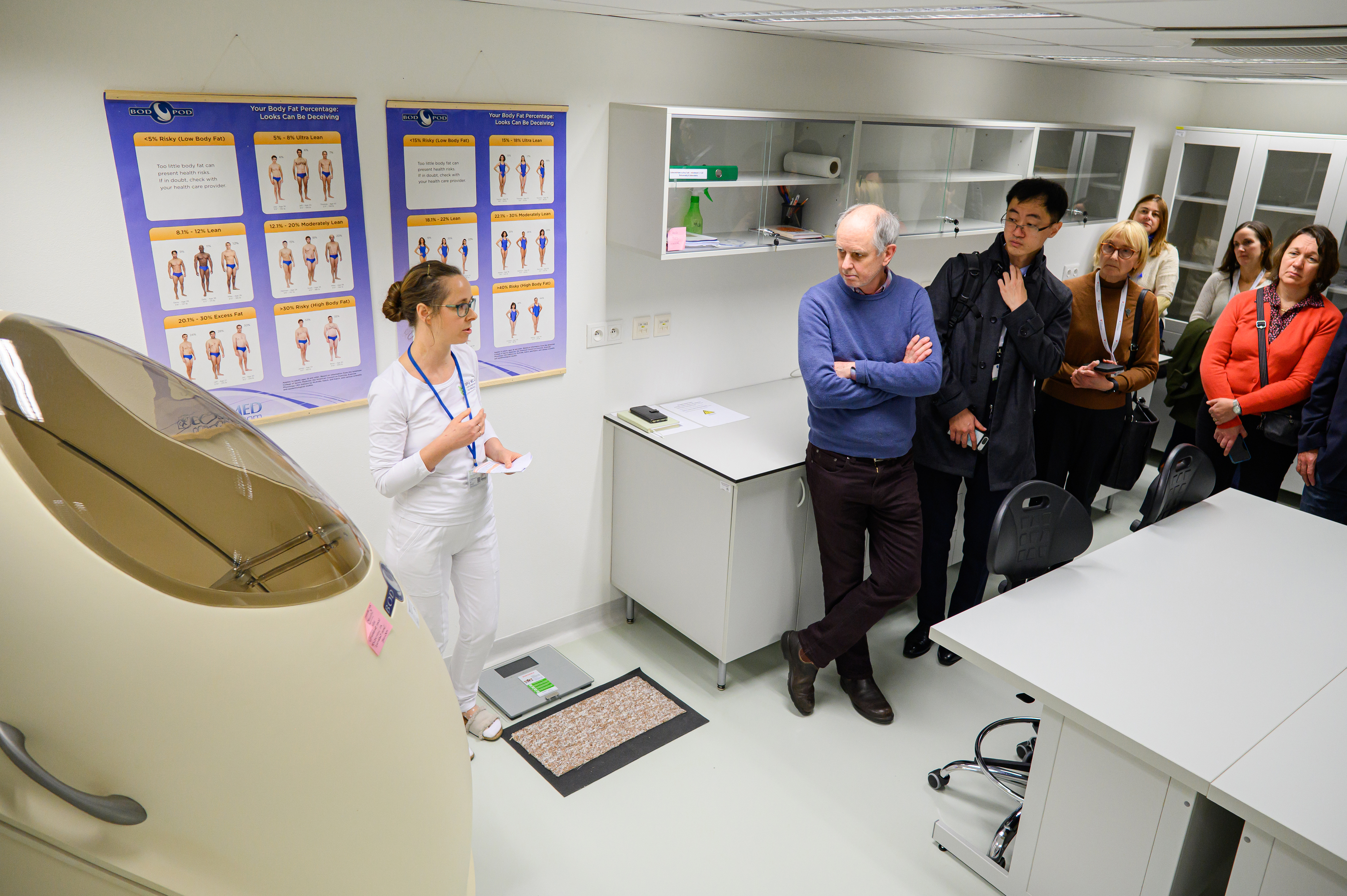
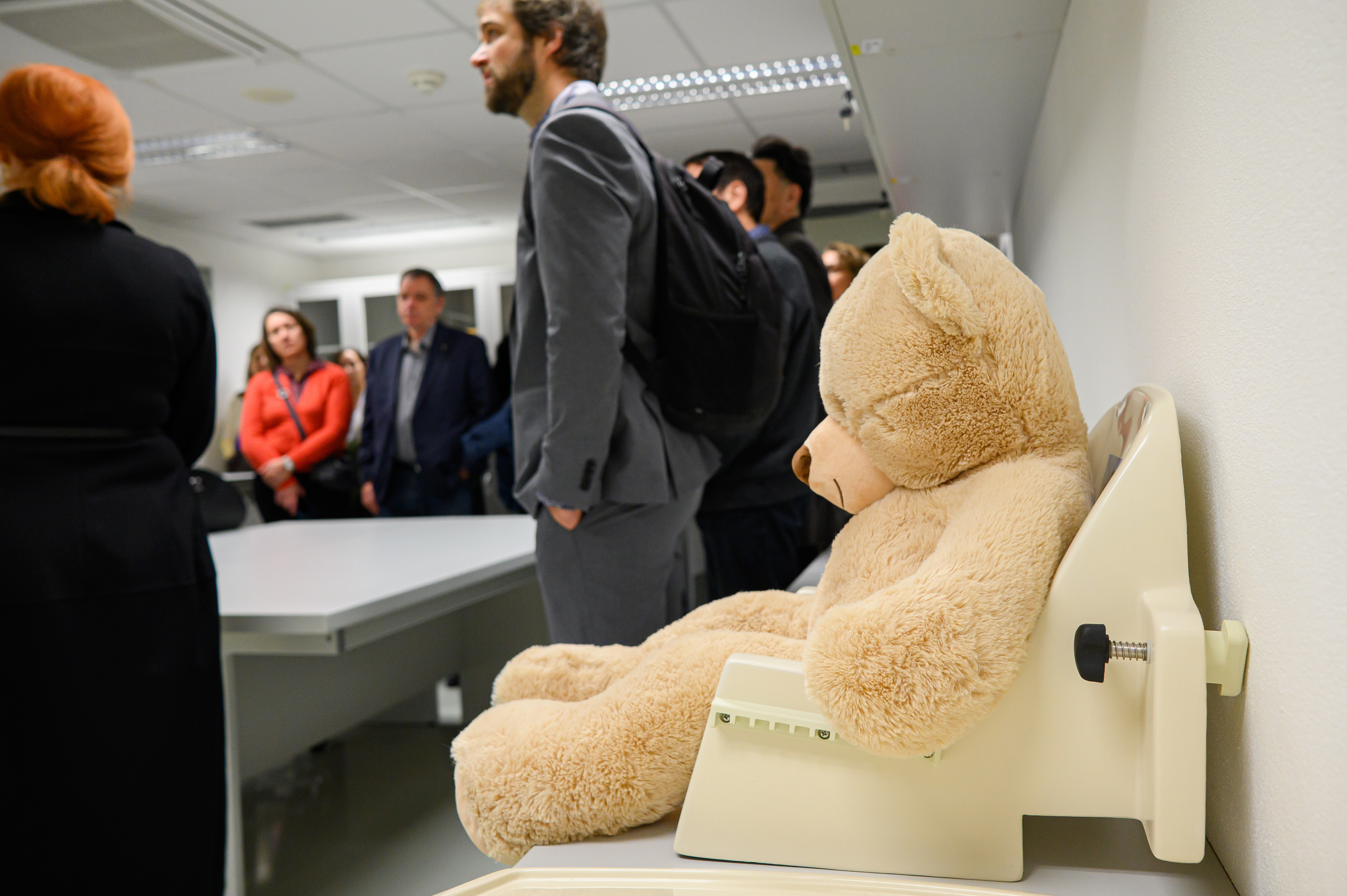
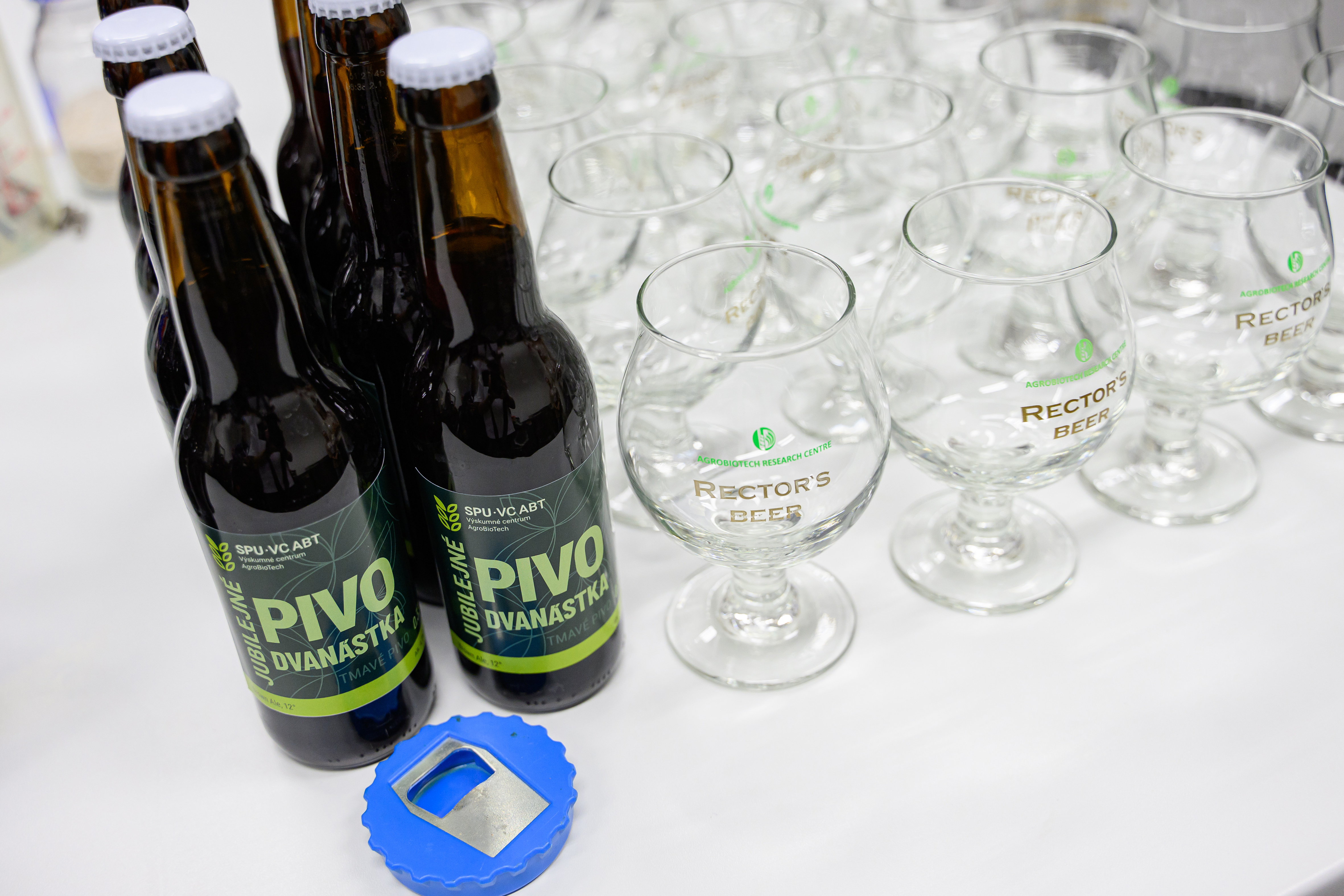
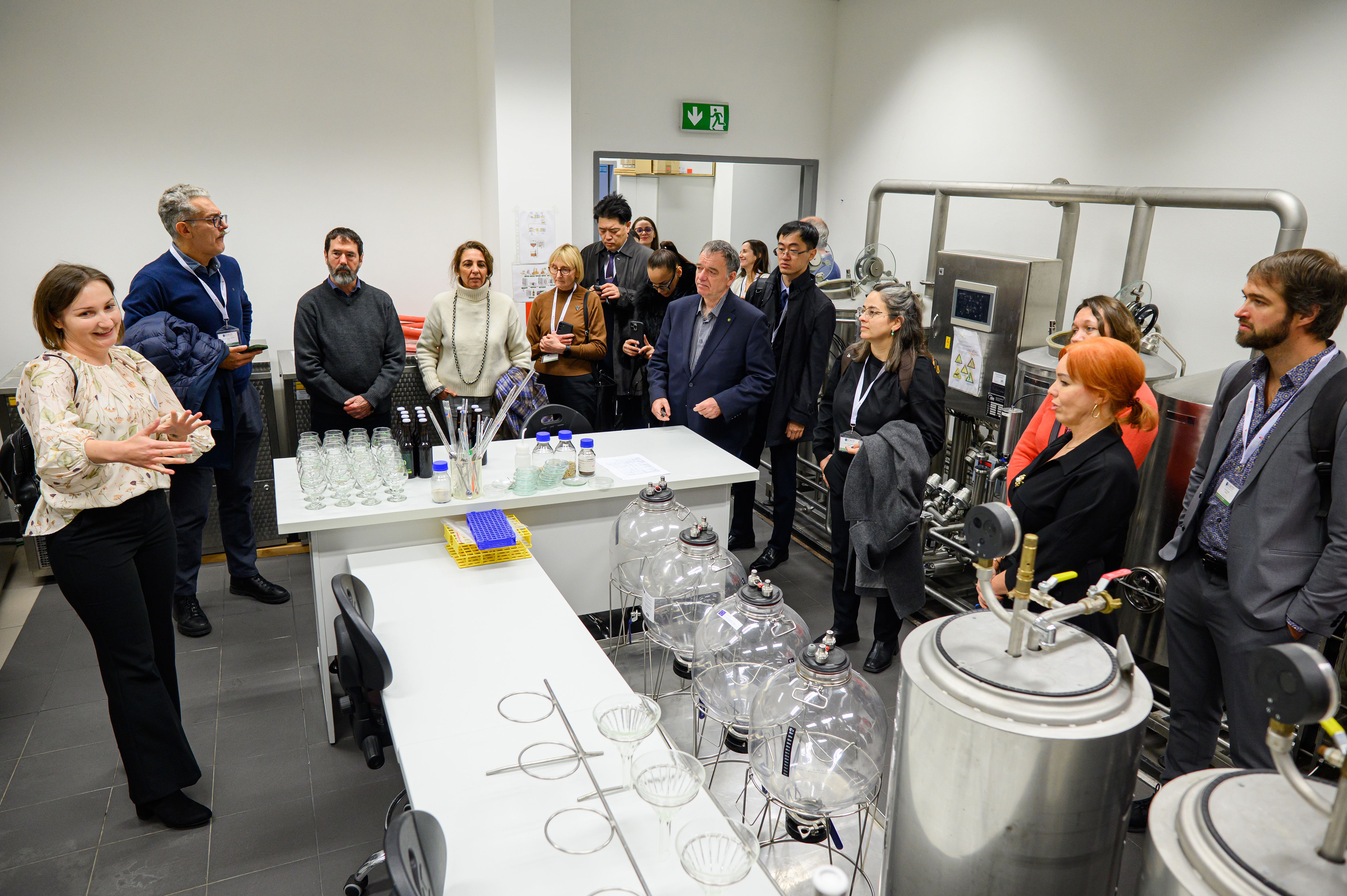
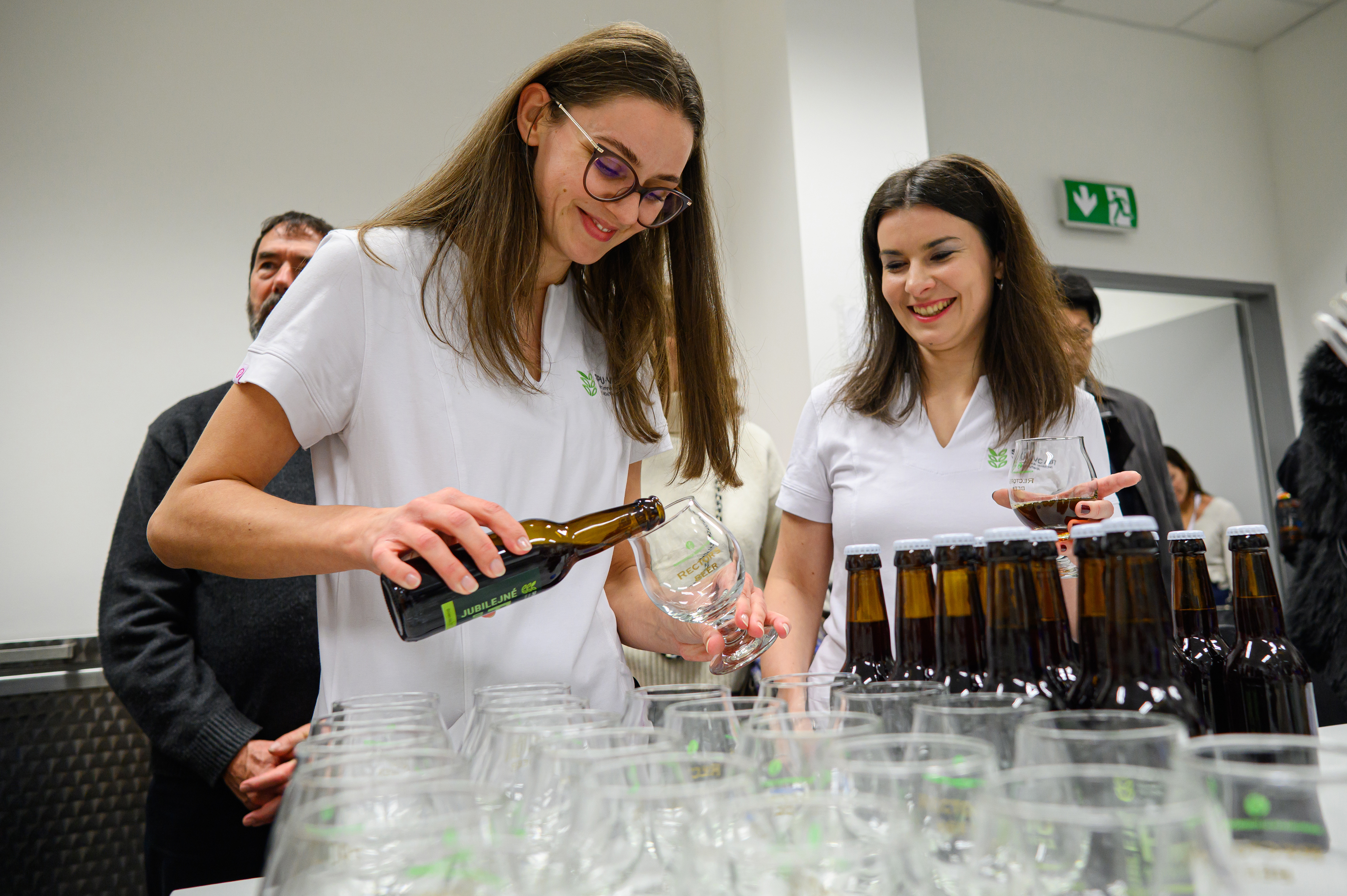
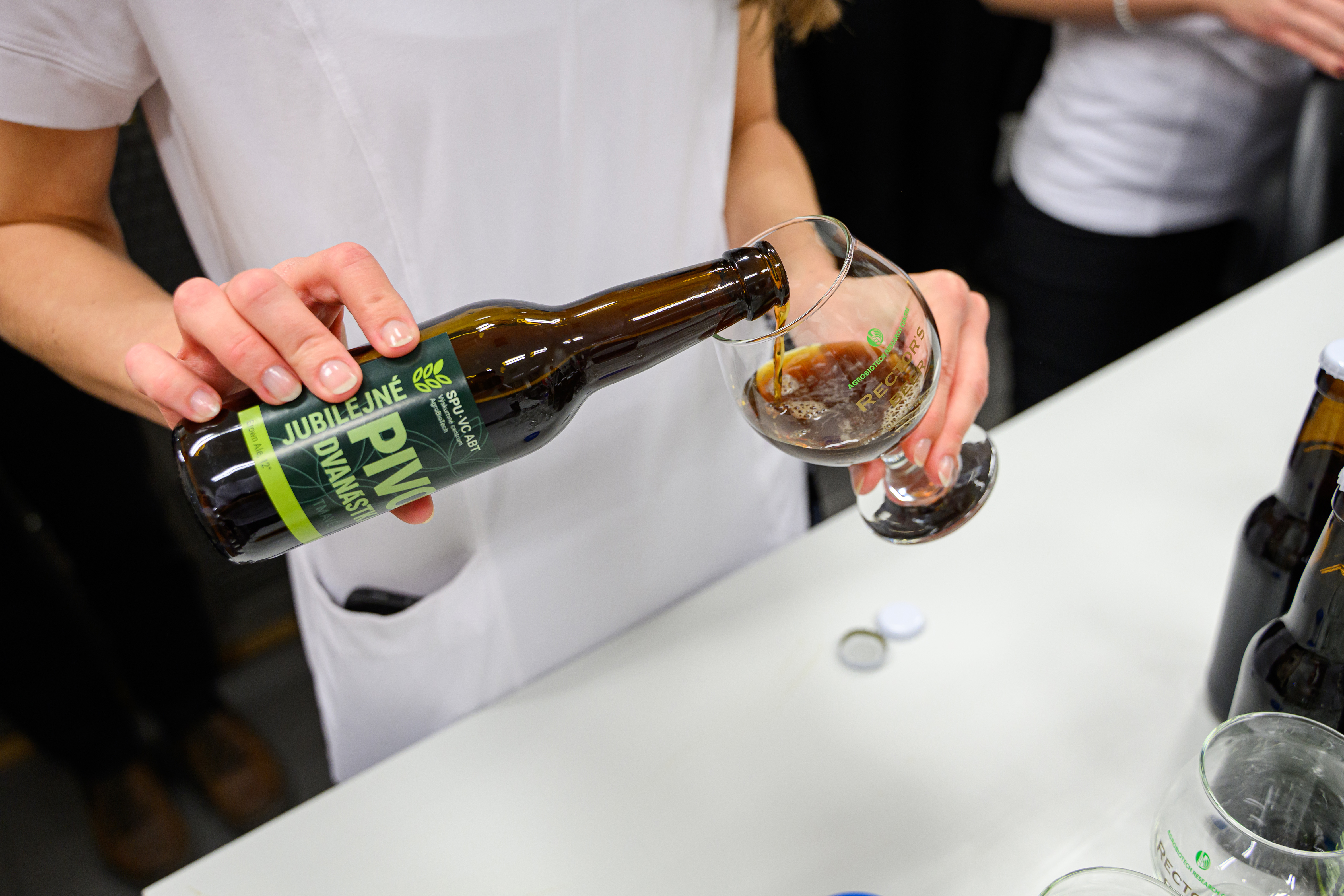
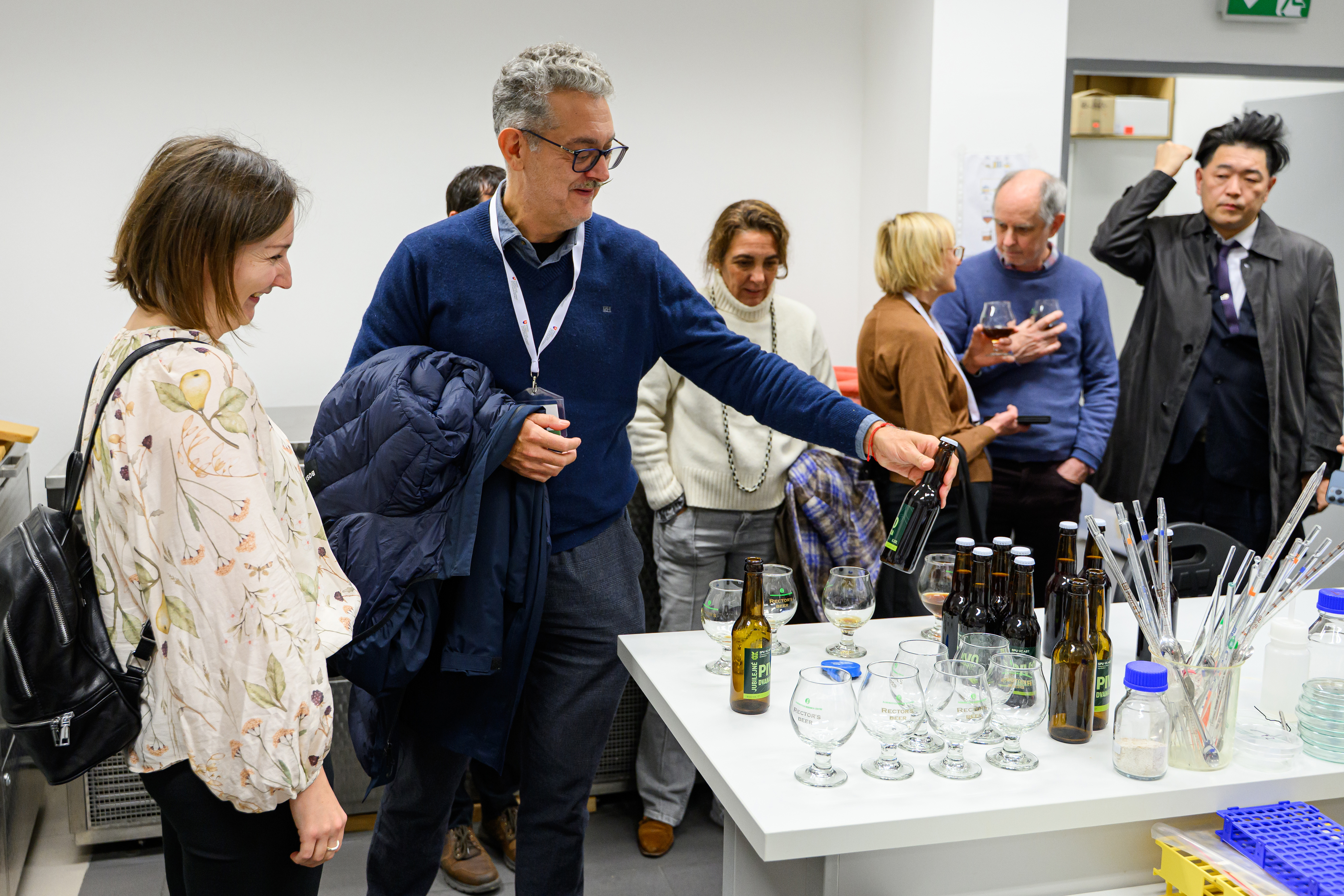
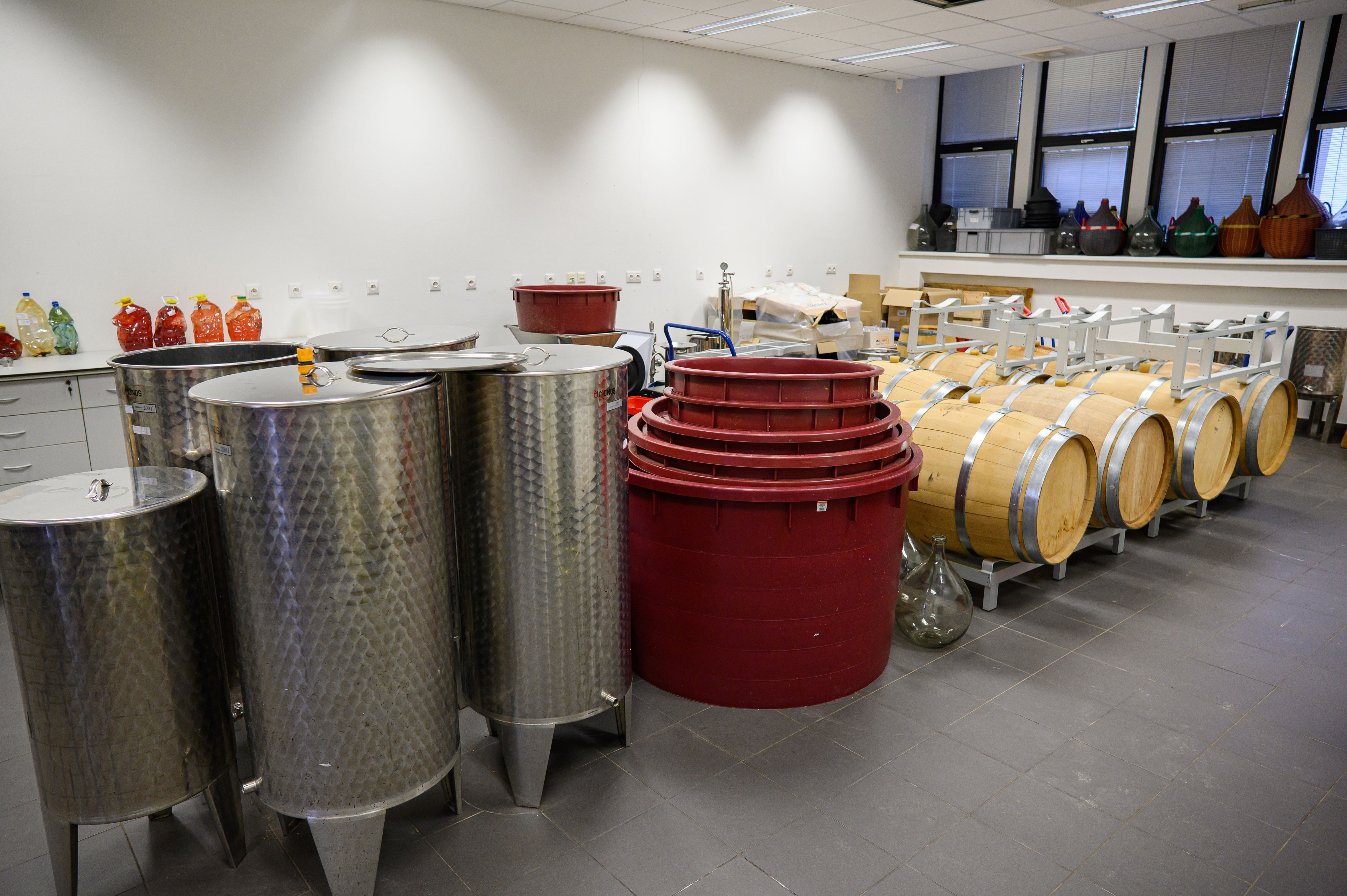
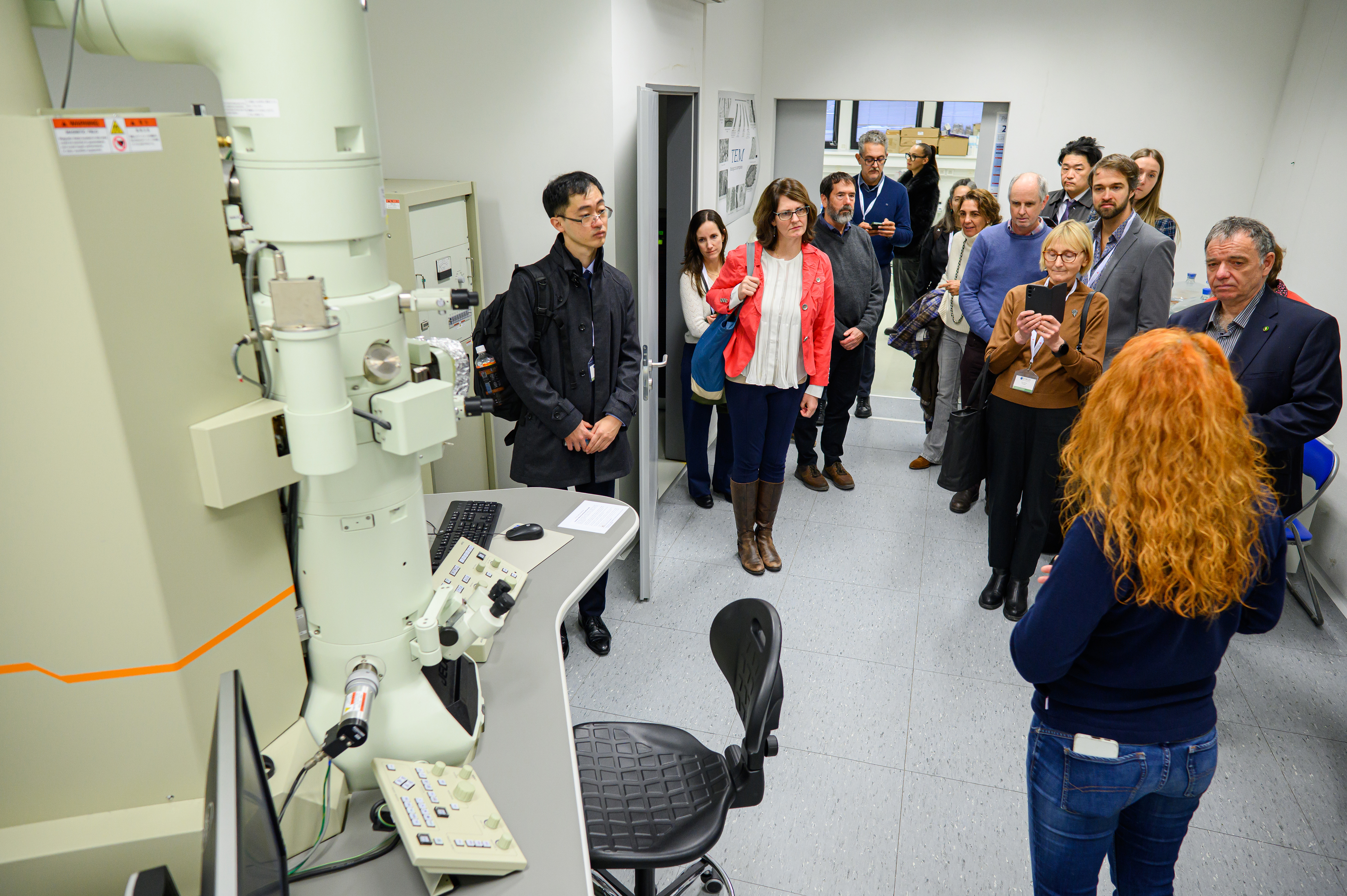
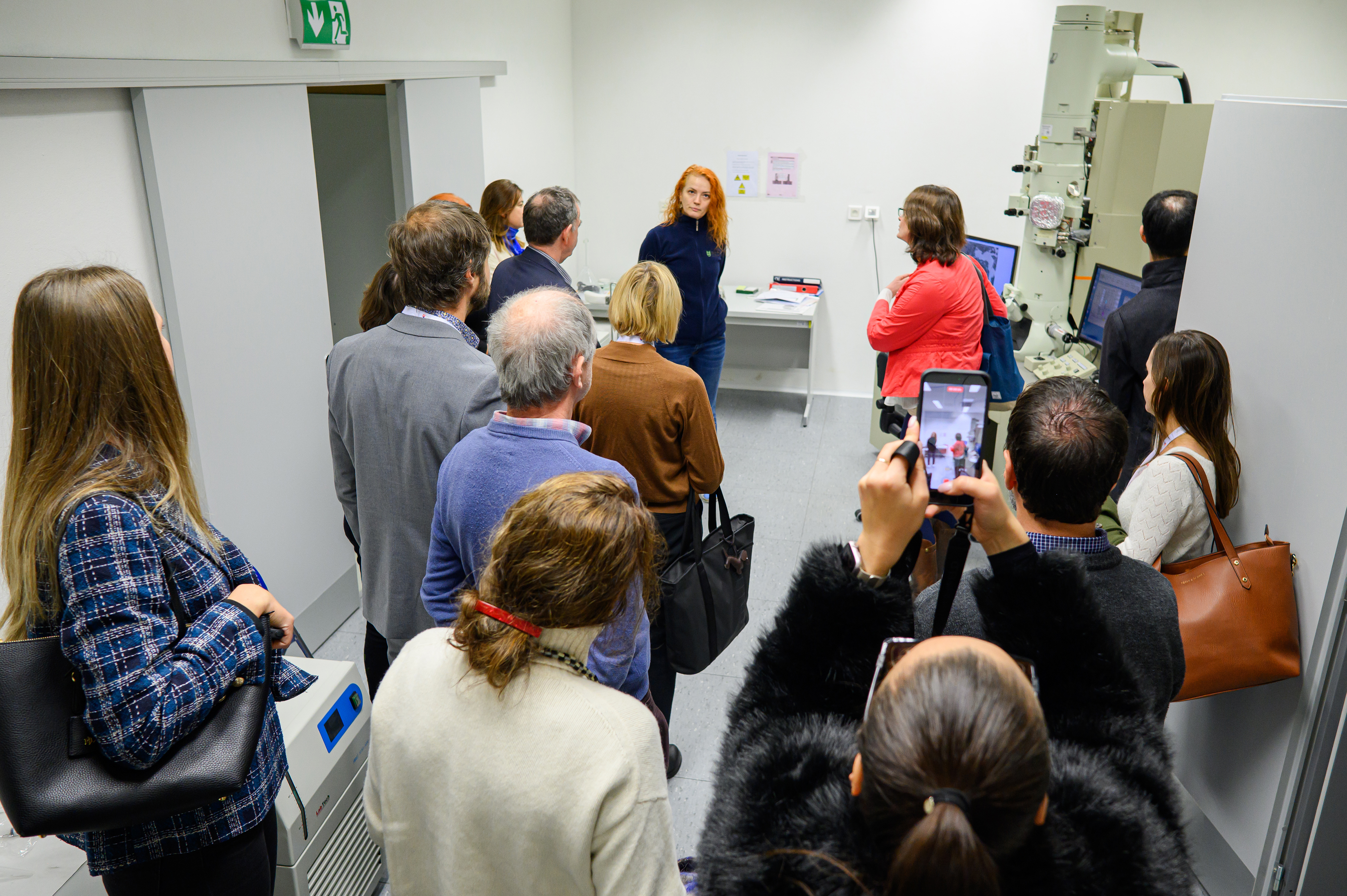
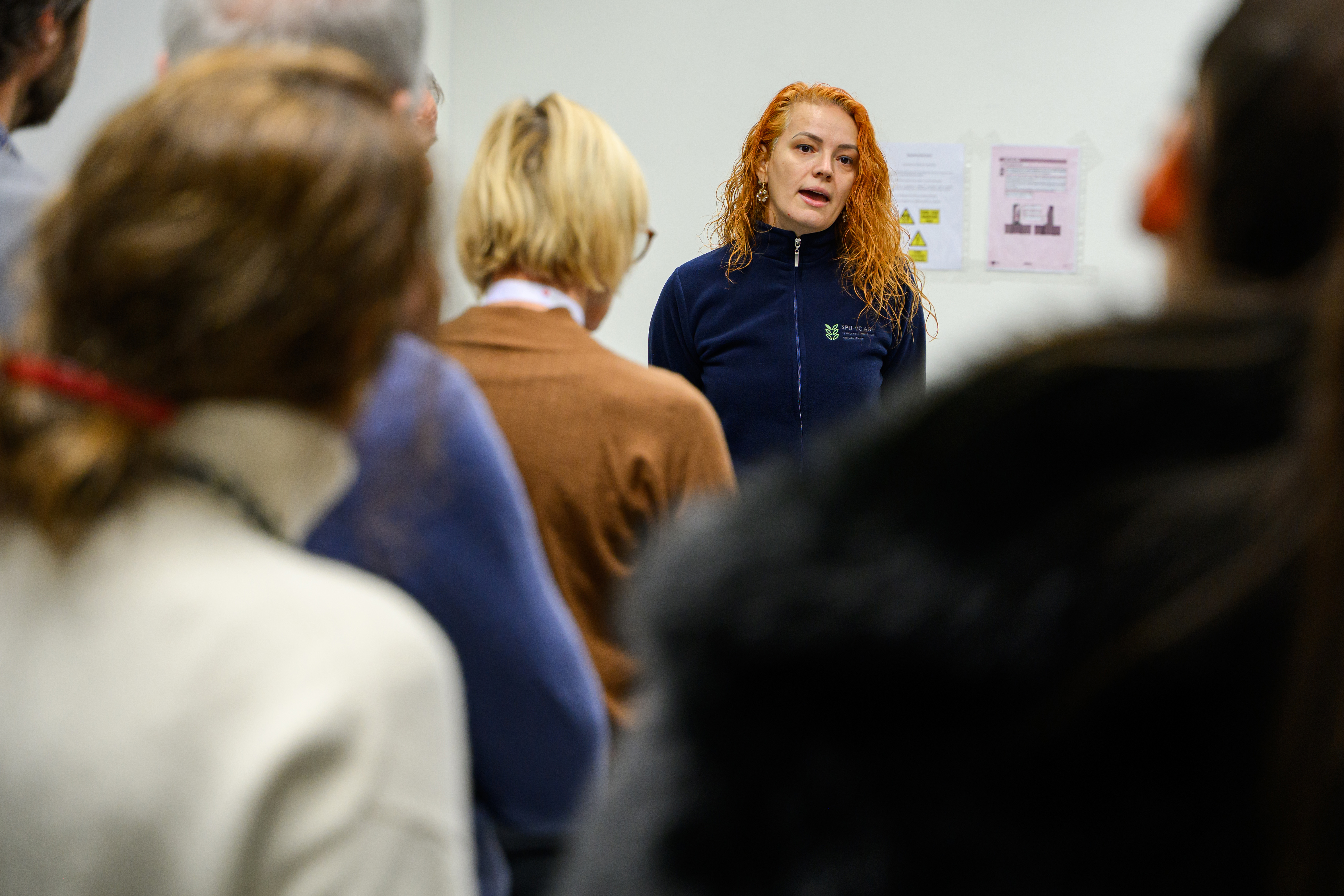
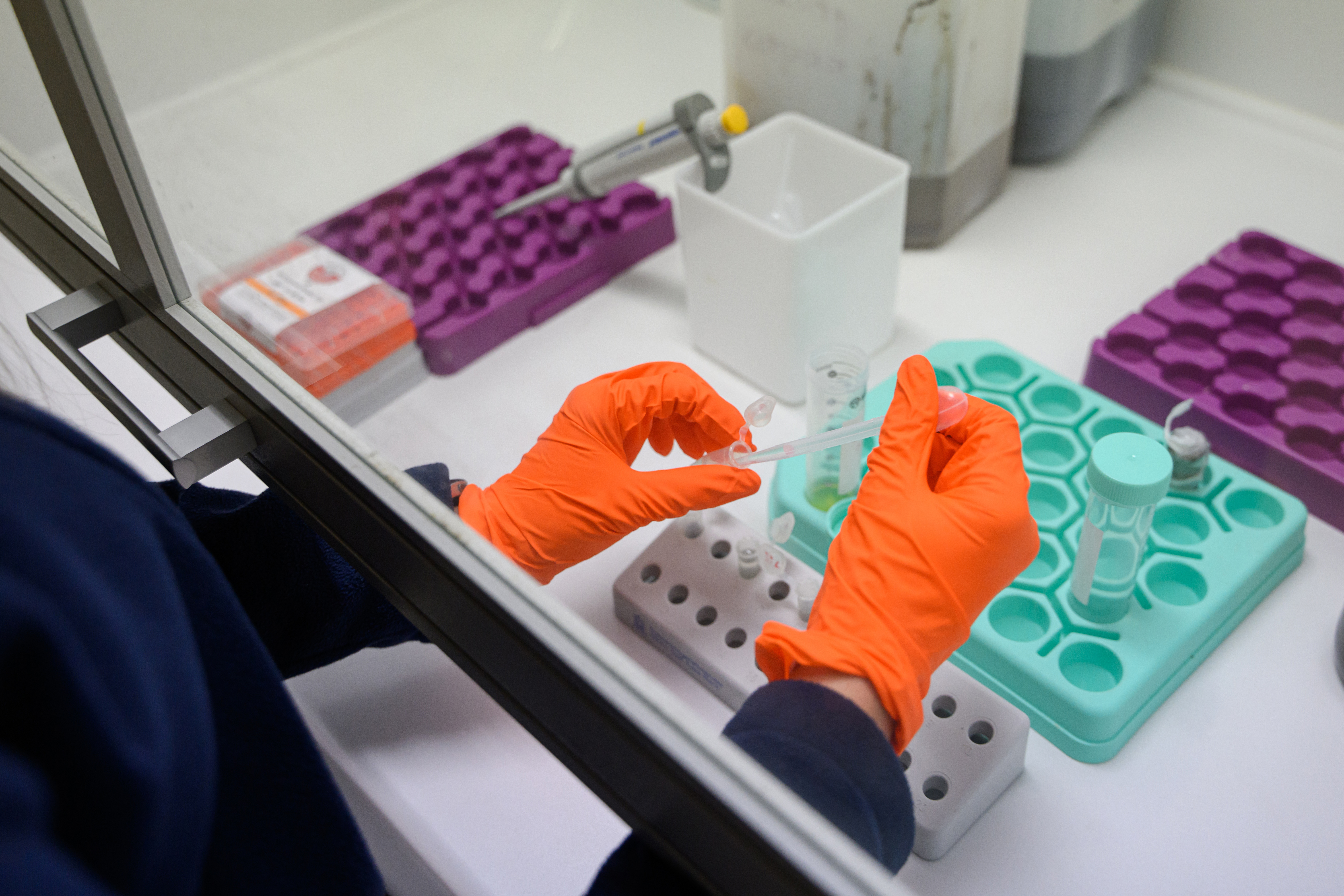
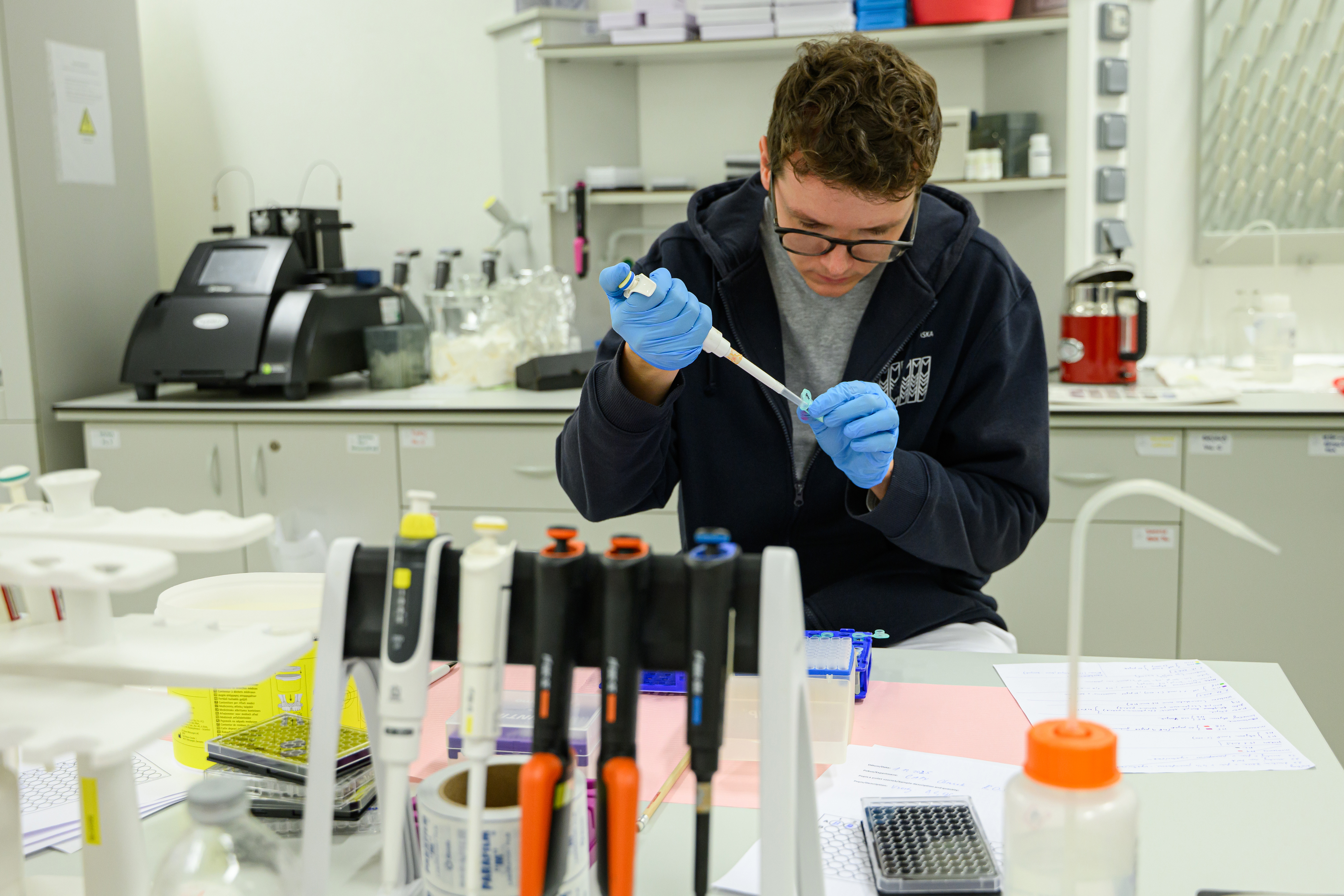
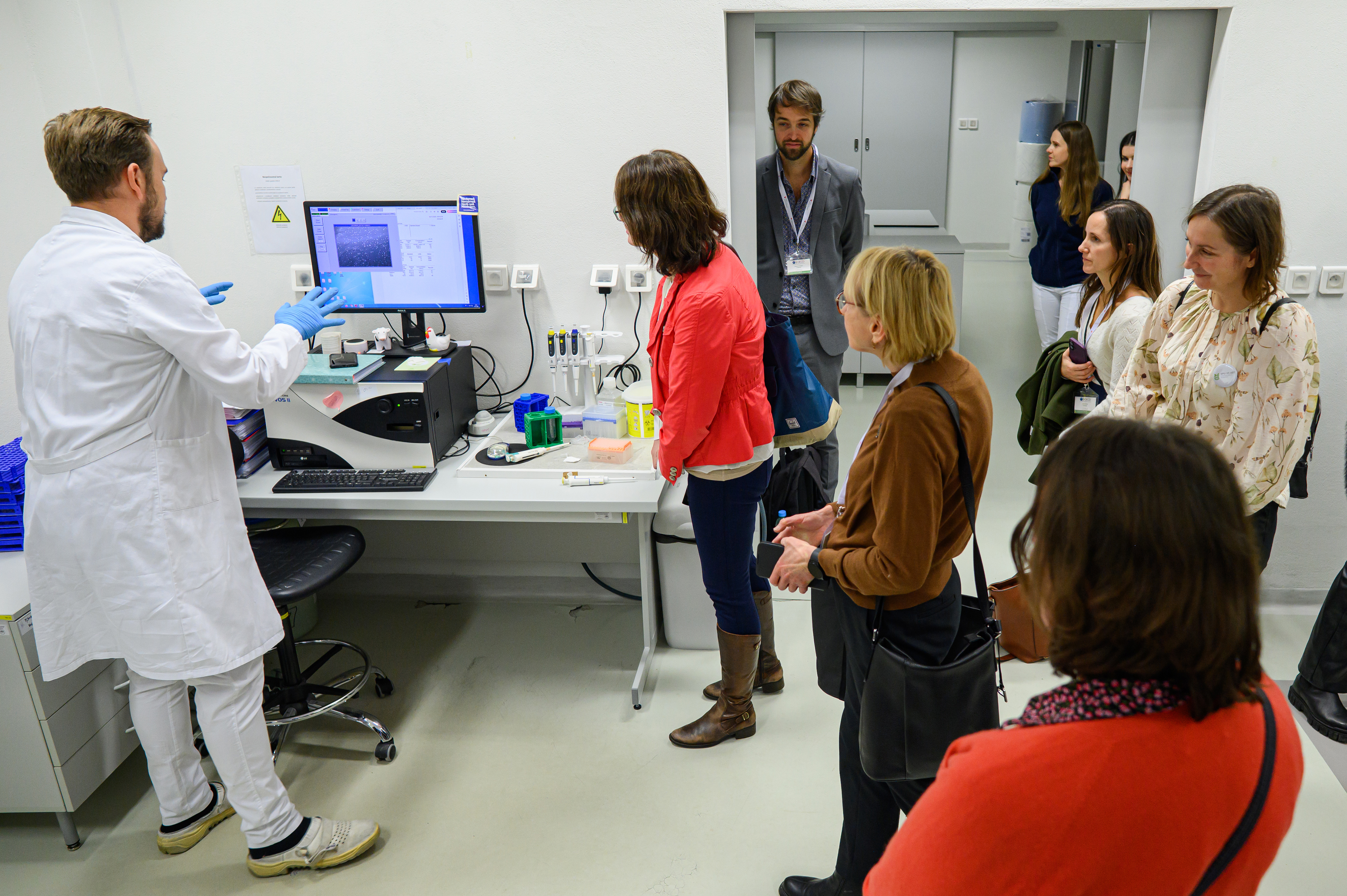
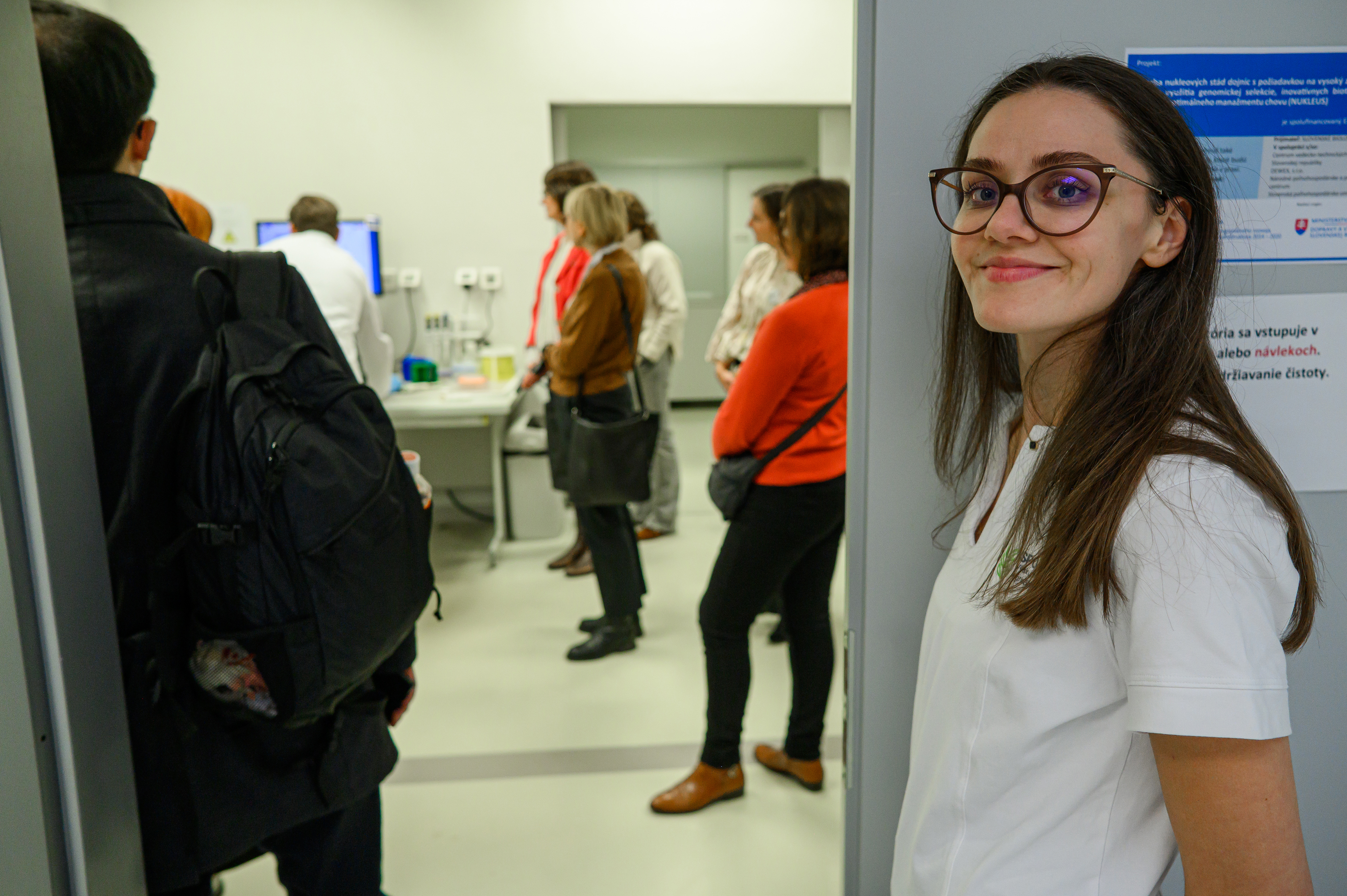
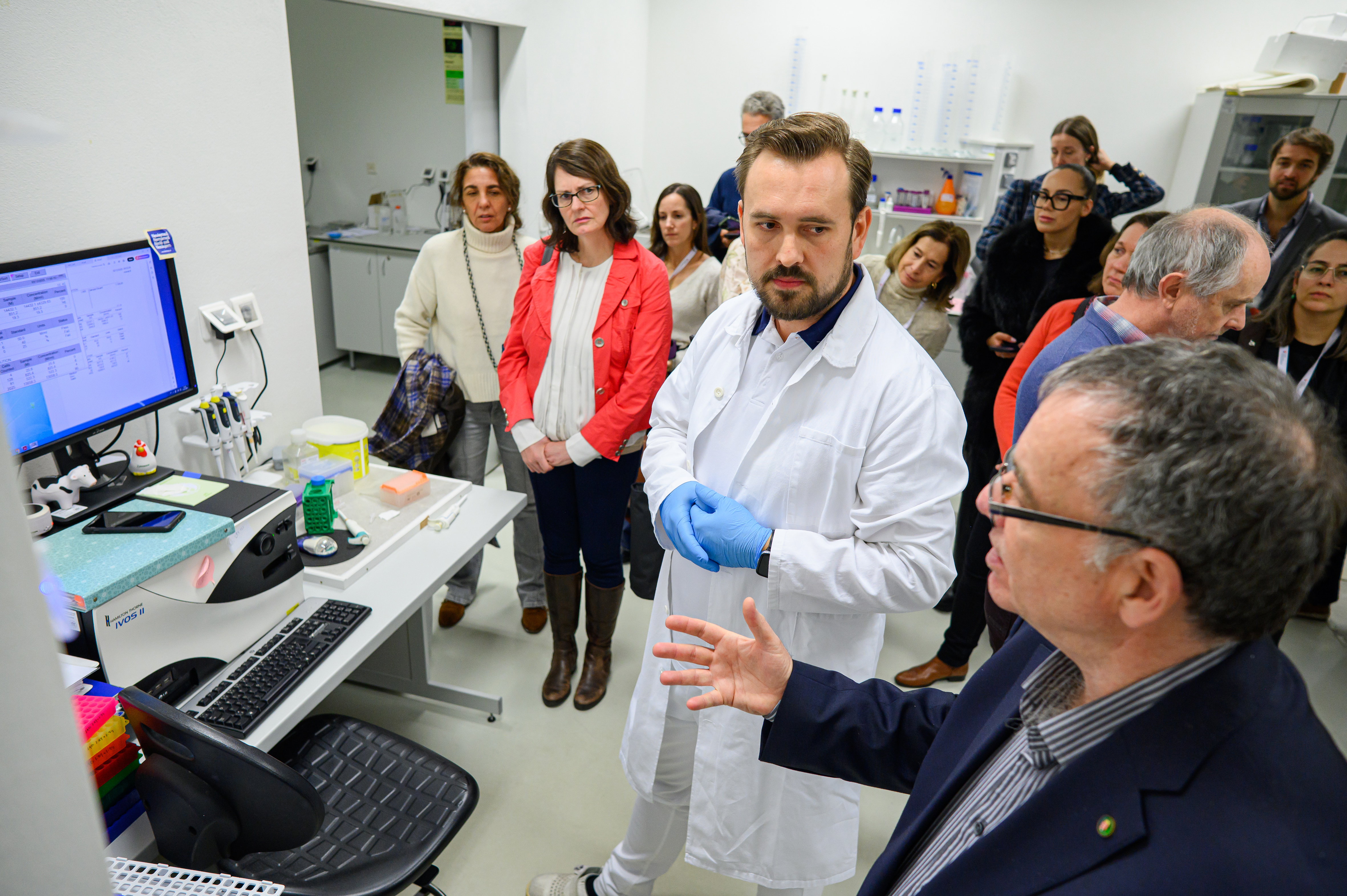
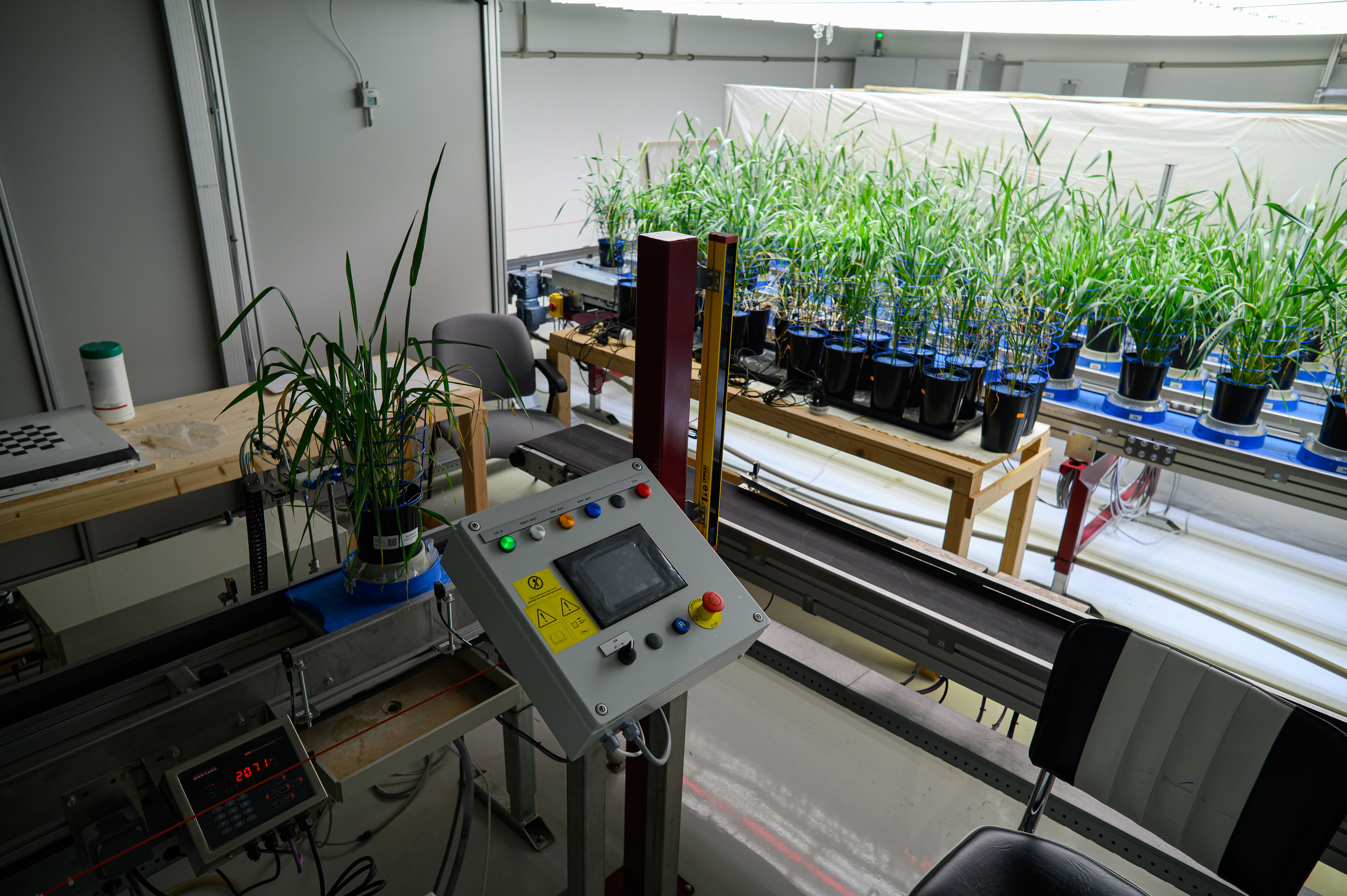
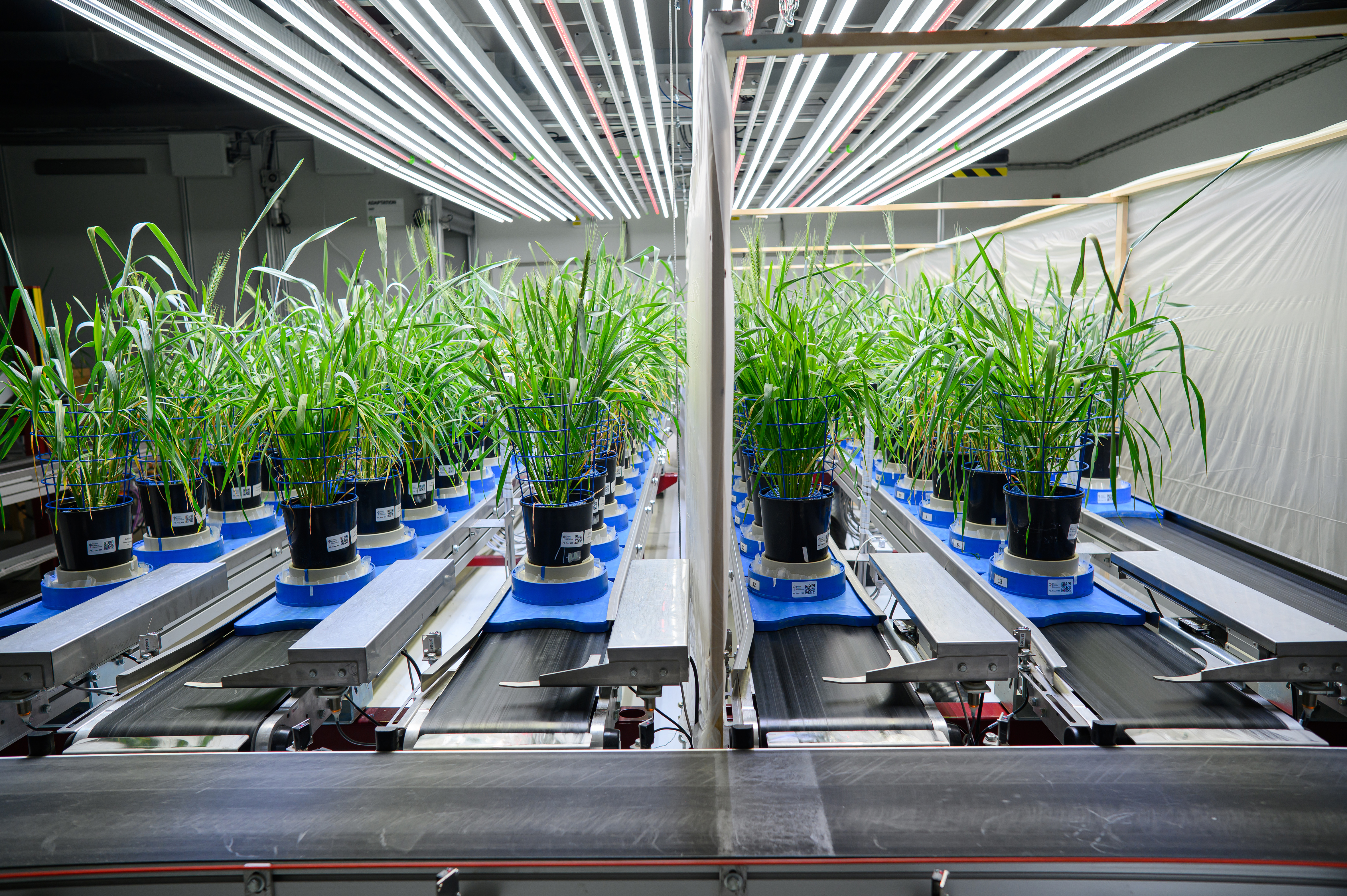
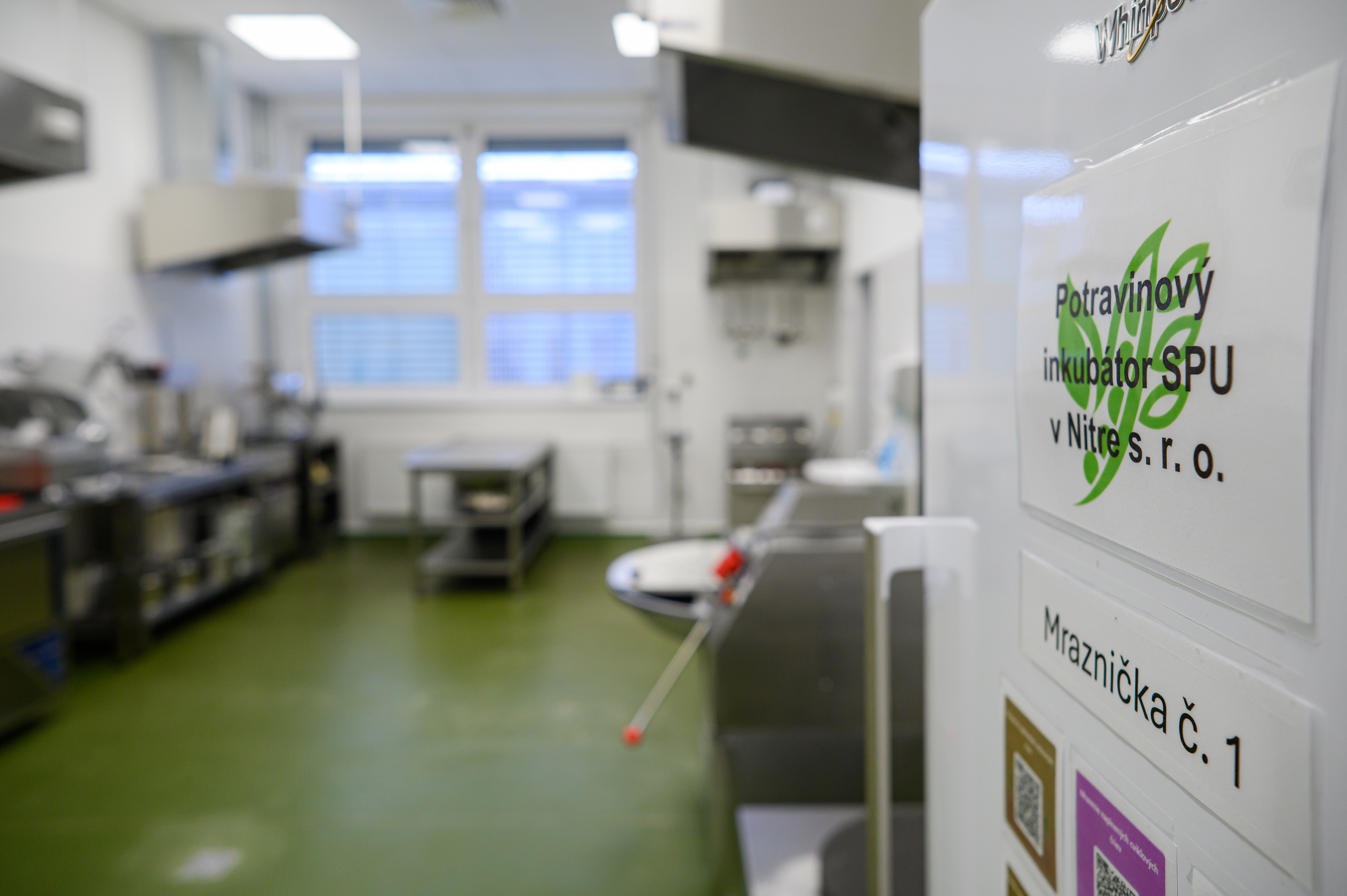
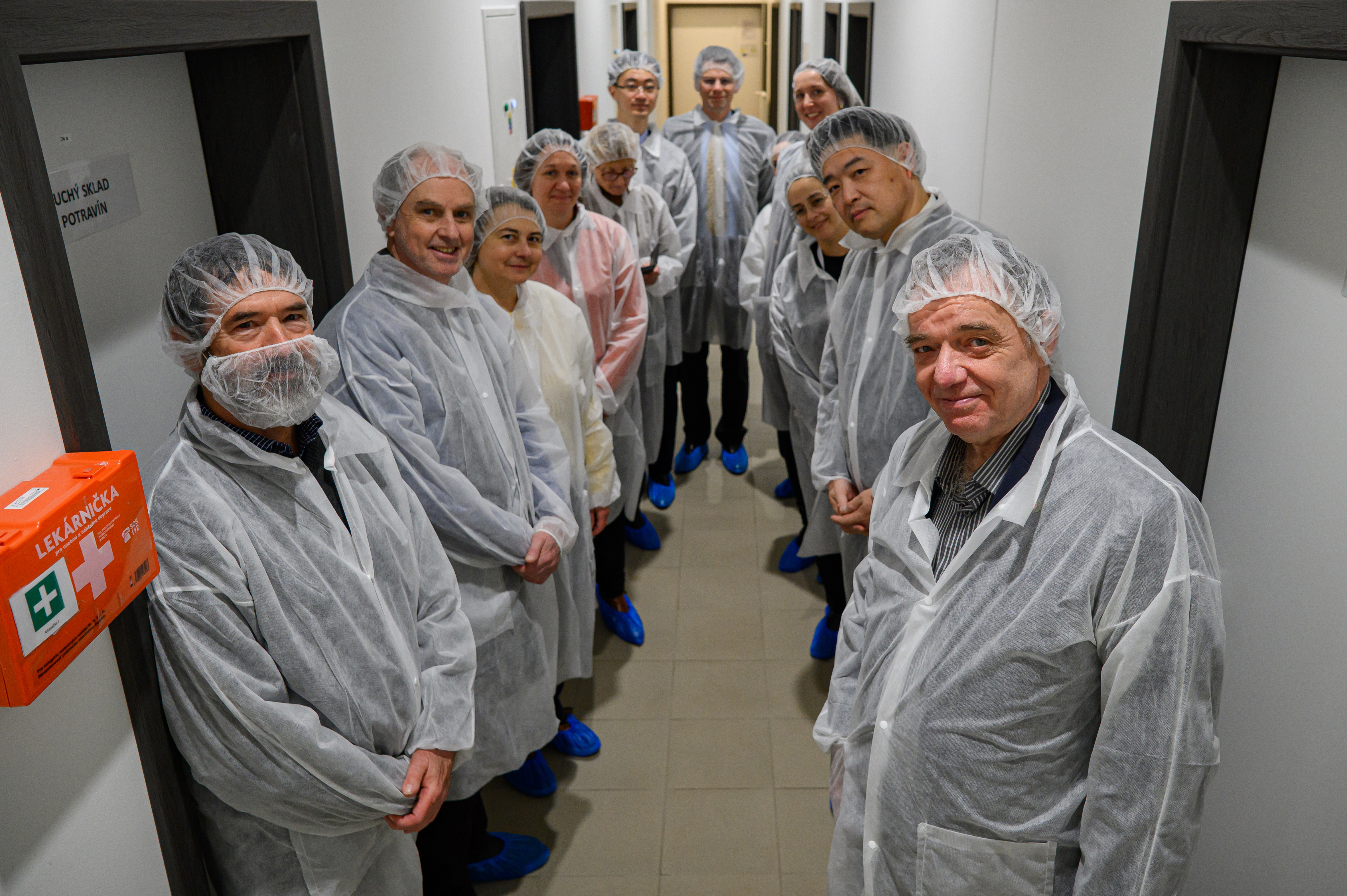
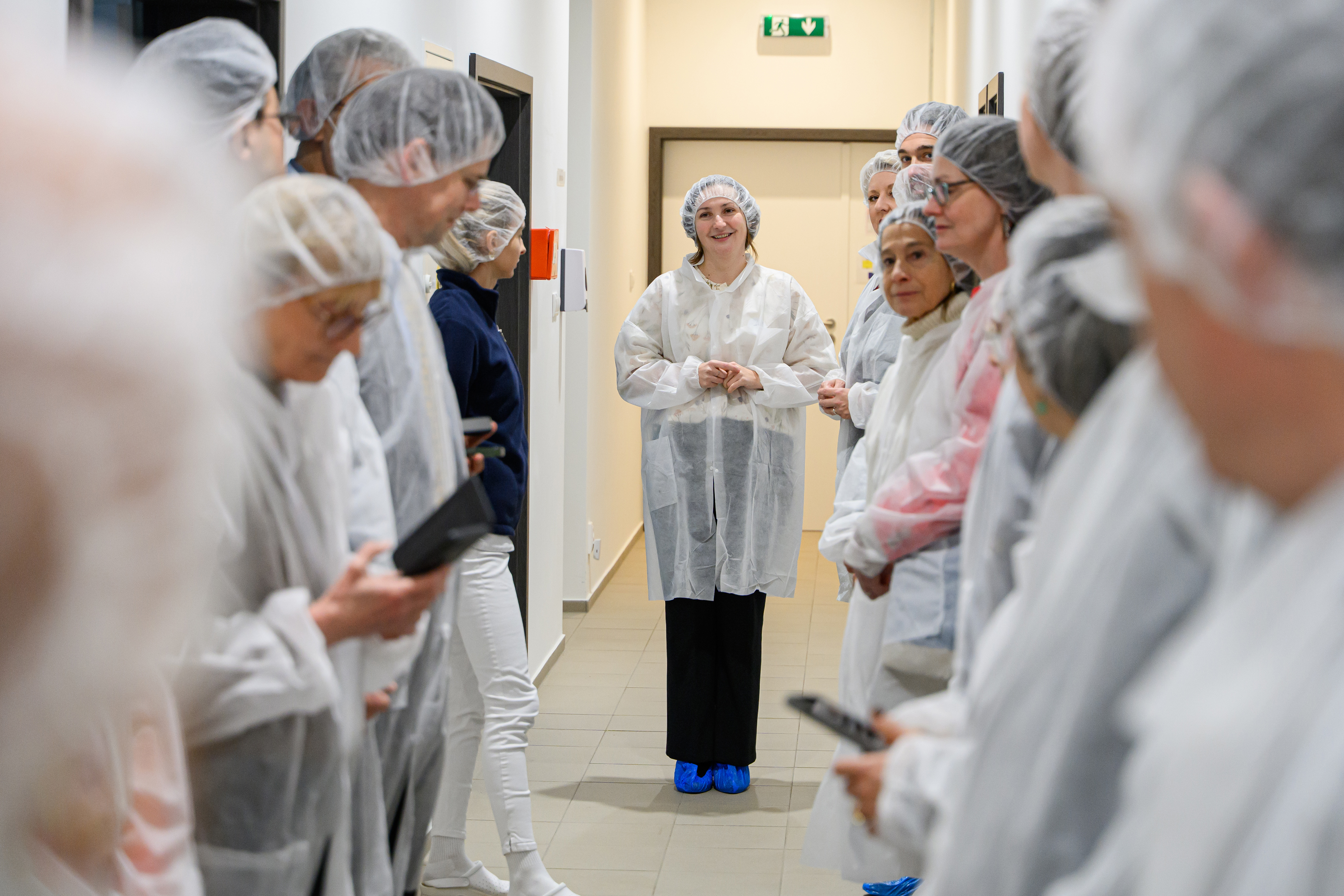
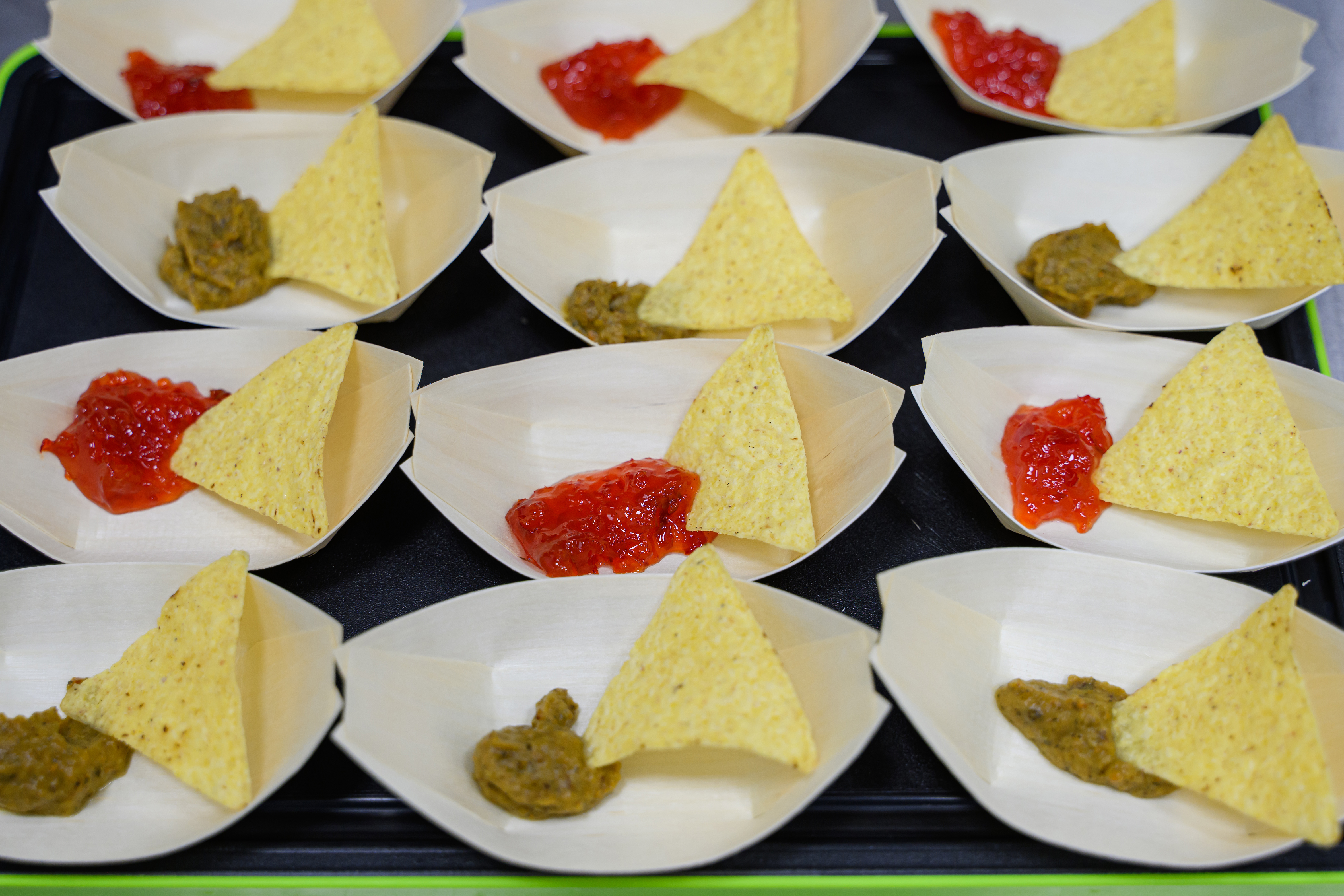
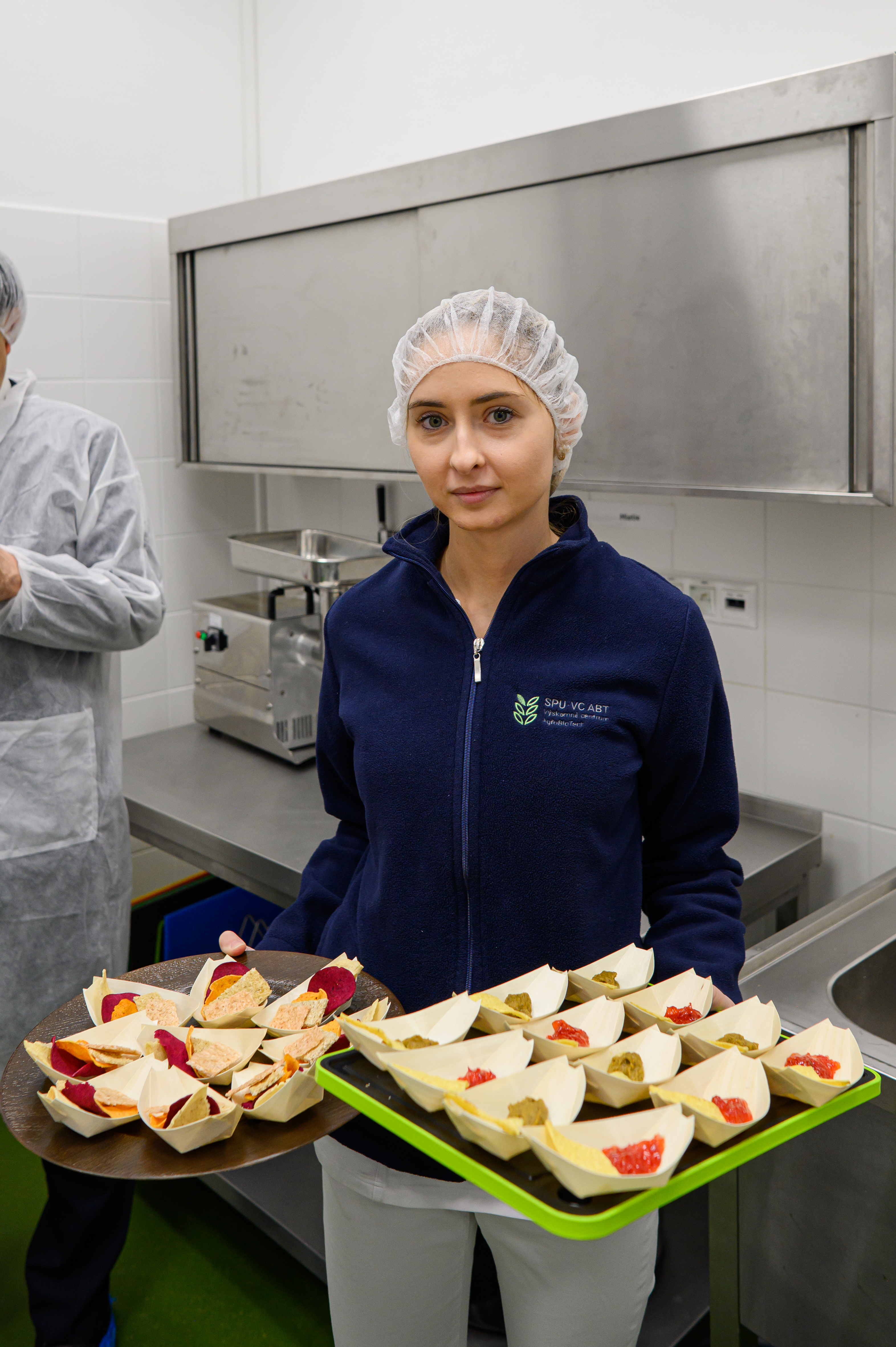
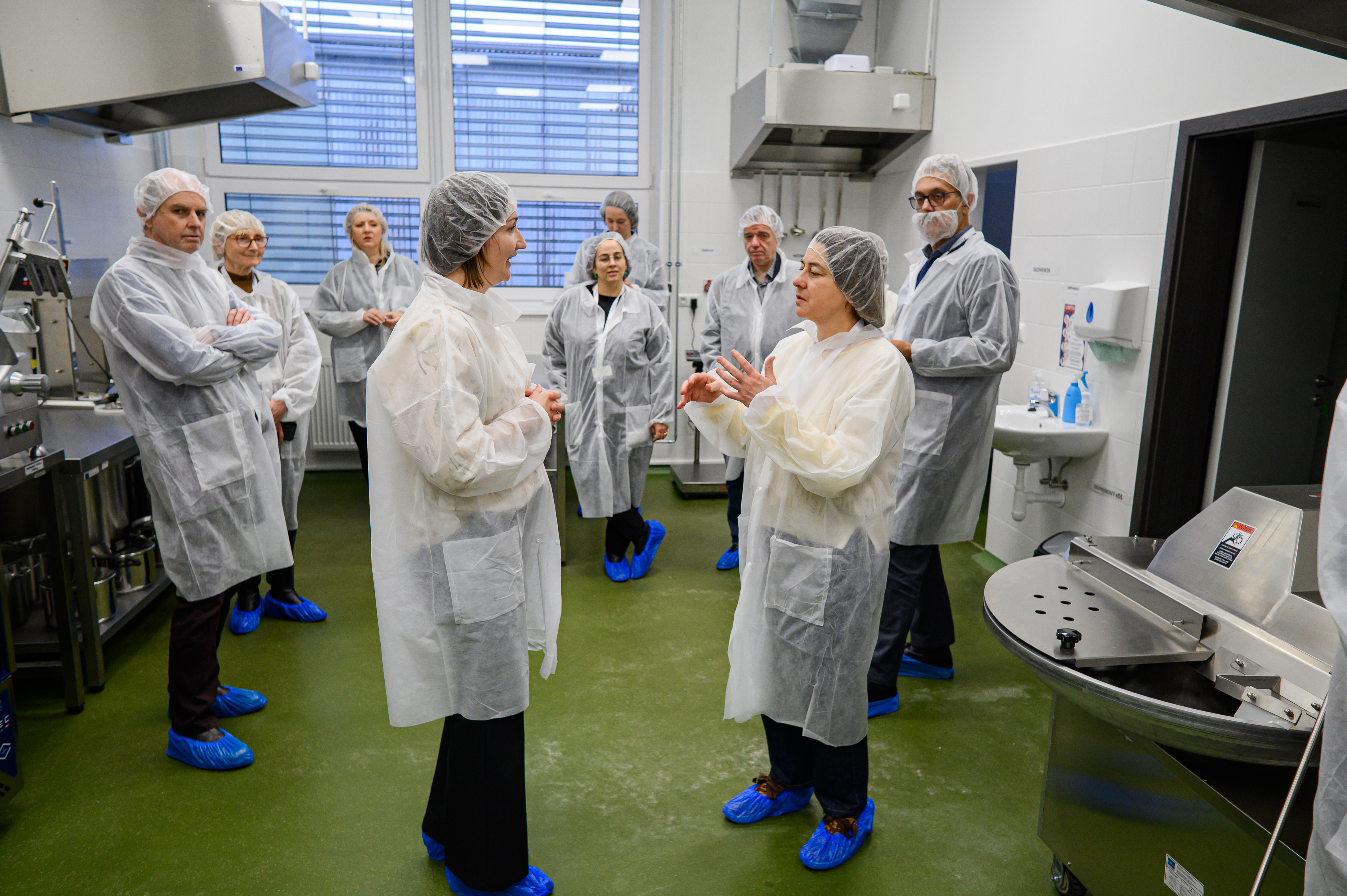
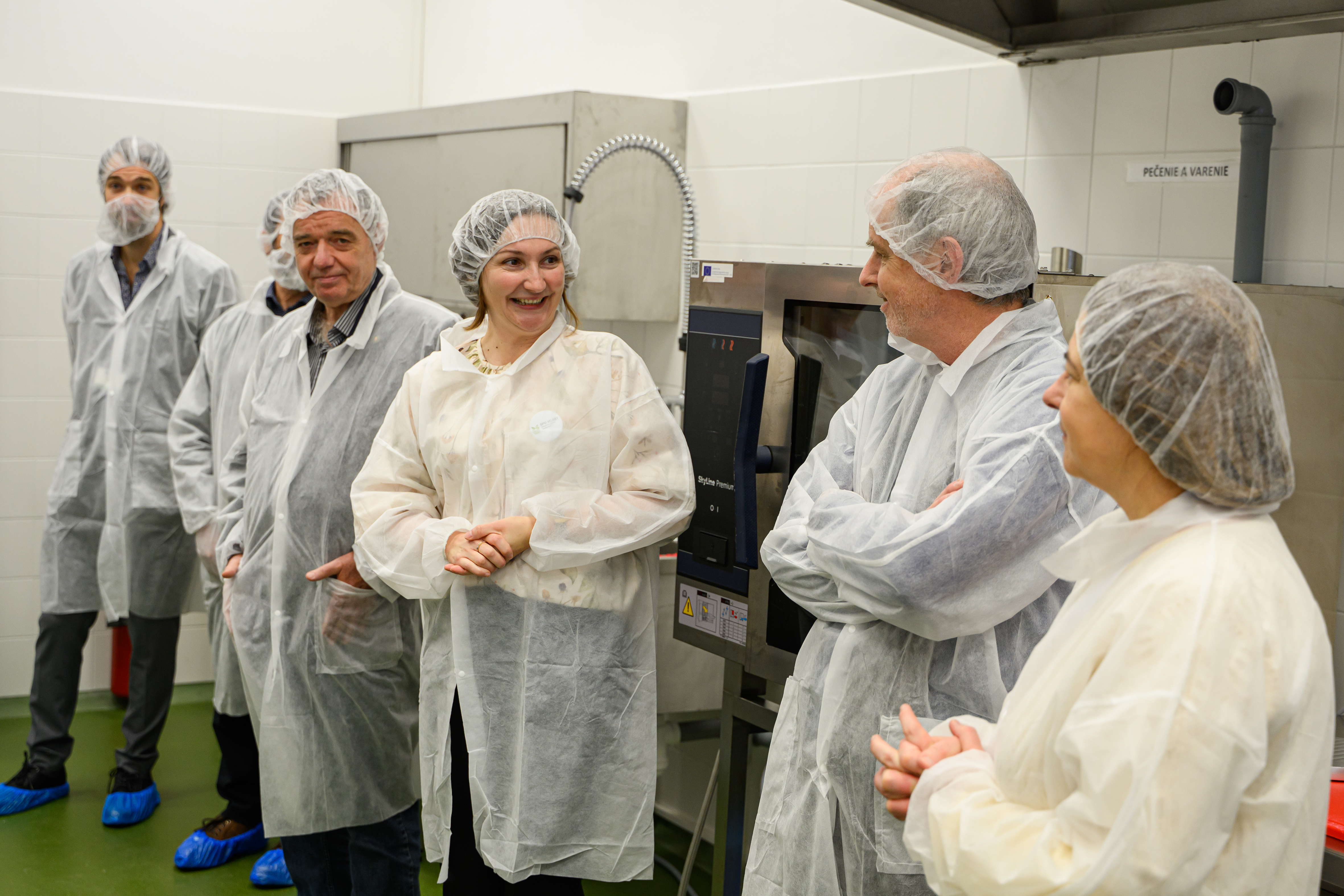
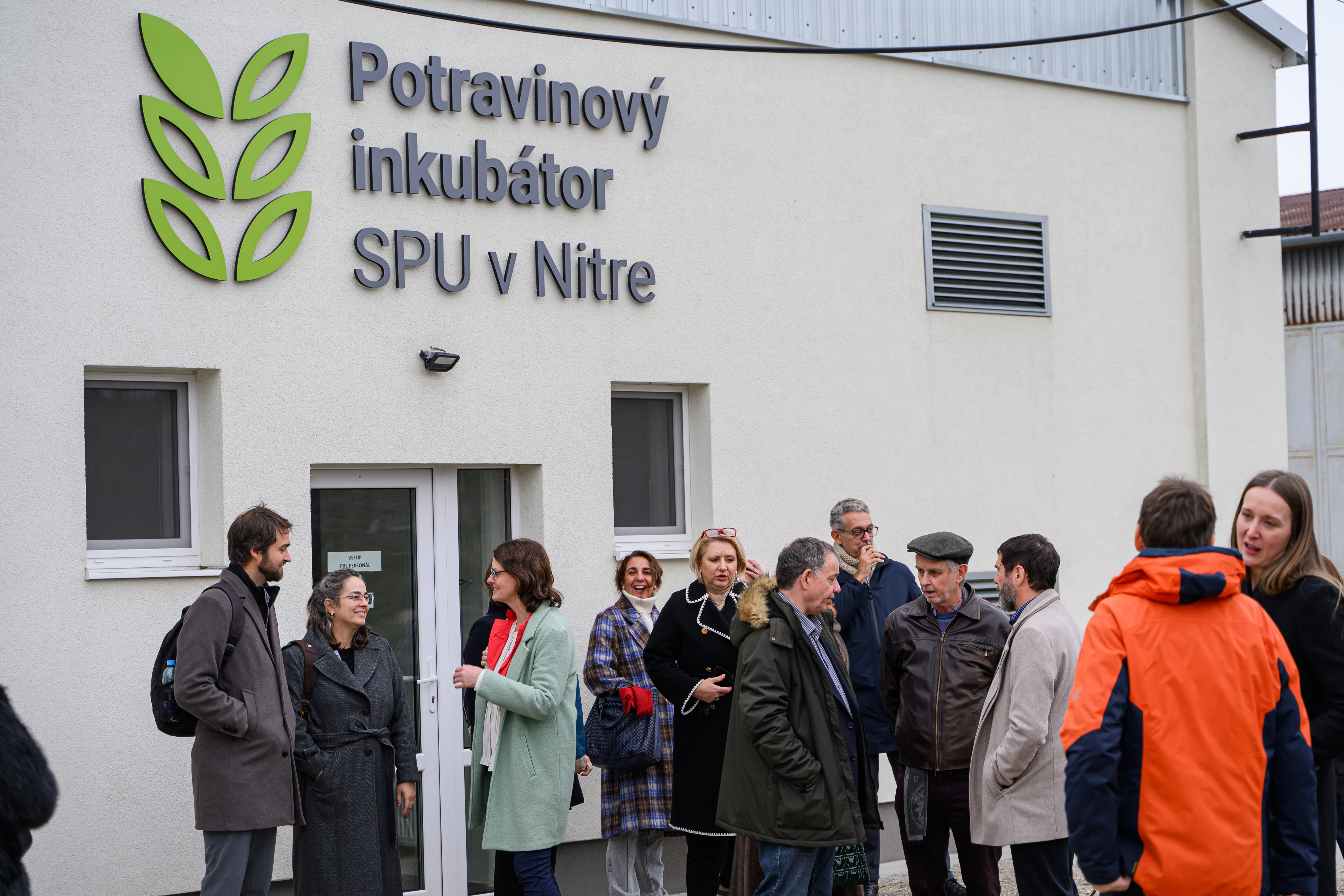
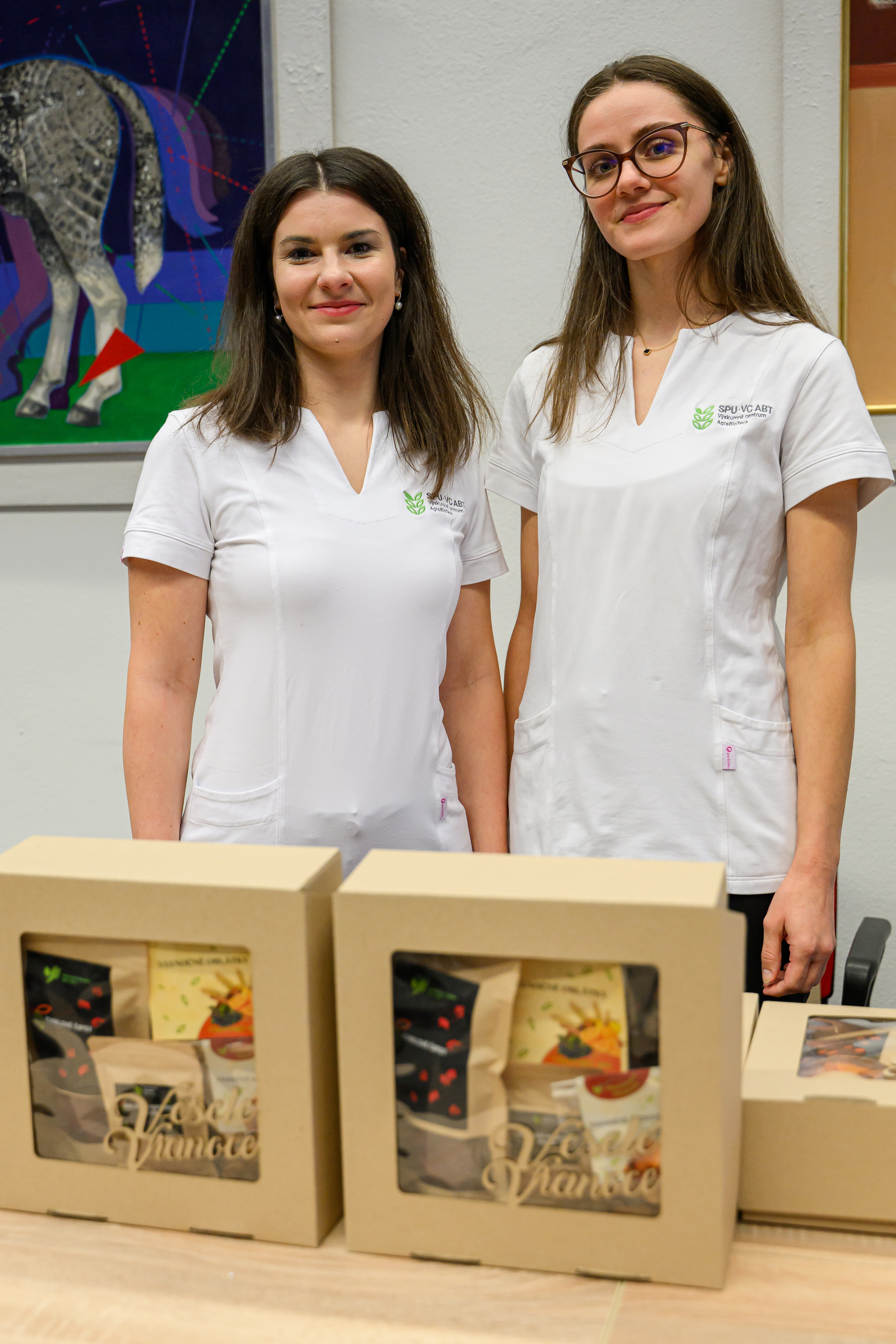
Adriana Kolesárová, Director of the Research Centre, outlined the successful ten-year story of AgroBioTech and highlighted key milestones, including the establishment of the SUA Food Incubator in 2024 – the only facility of its kind in Slovakia. SUA also presented 13 ongoing Horizon Europe projects to the OECD representatives, including Climate Farm Demo and its sister project Climate Smart Research, the Europe-LAND project, and the INVEST European University Alliance. The presentation also featured the INVEST and AgroForestry alliances coordinated by SUA. The OECD delegation viewed the laboratories of the AgroBioTech Research Centre and the SUA Food Incubator, where innovative food products are being developed.
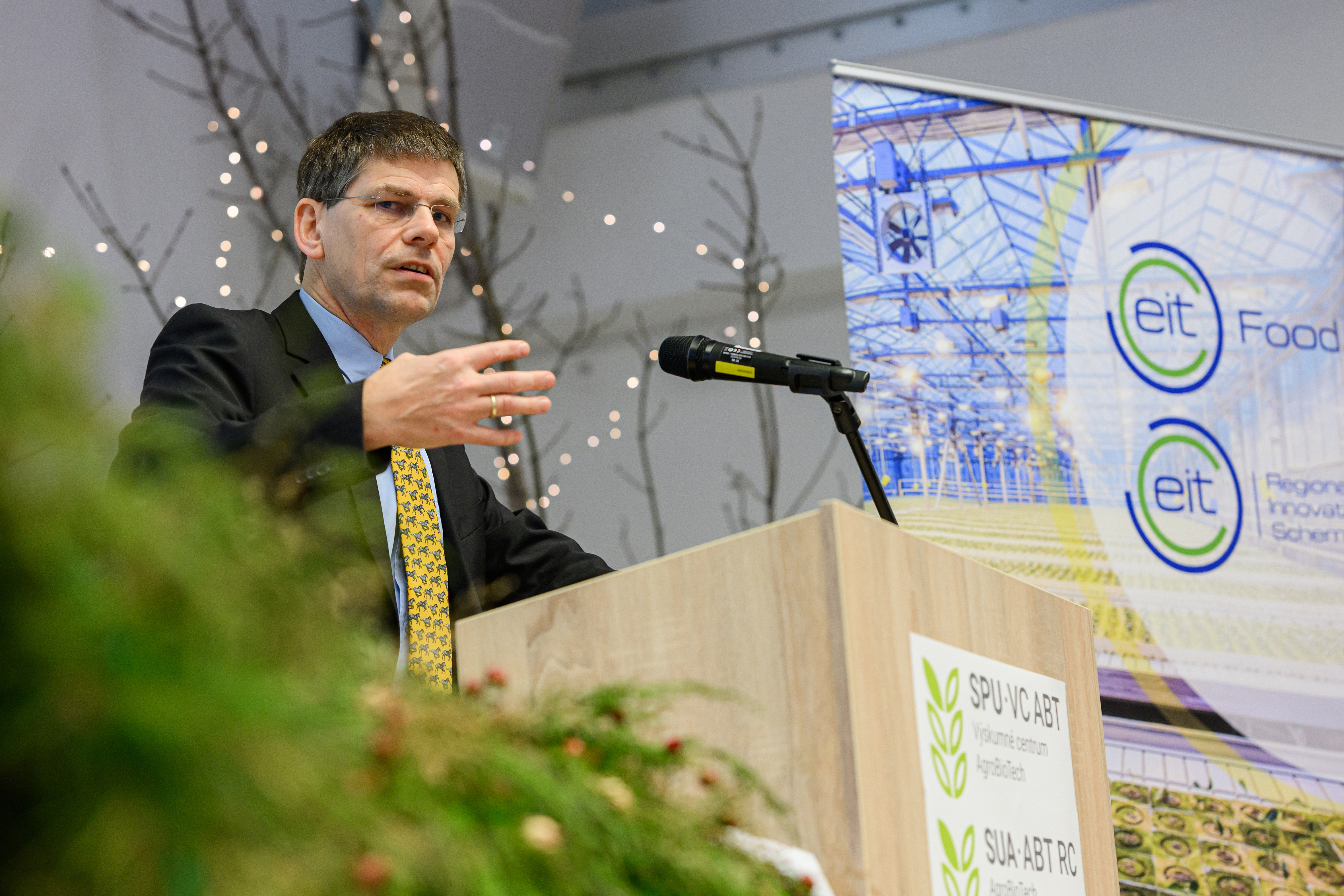
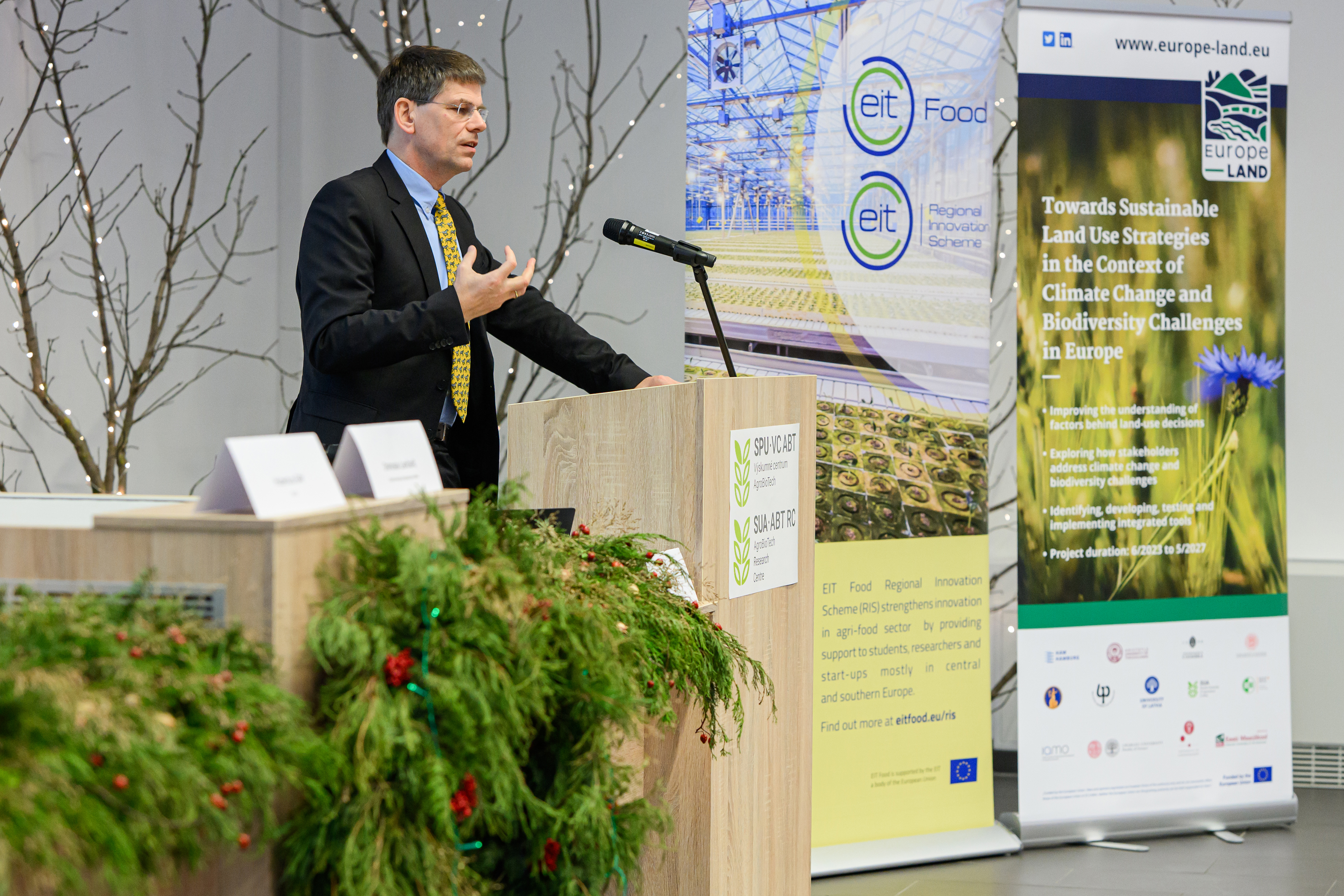
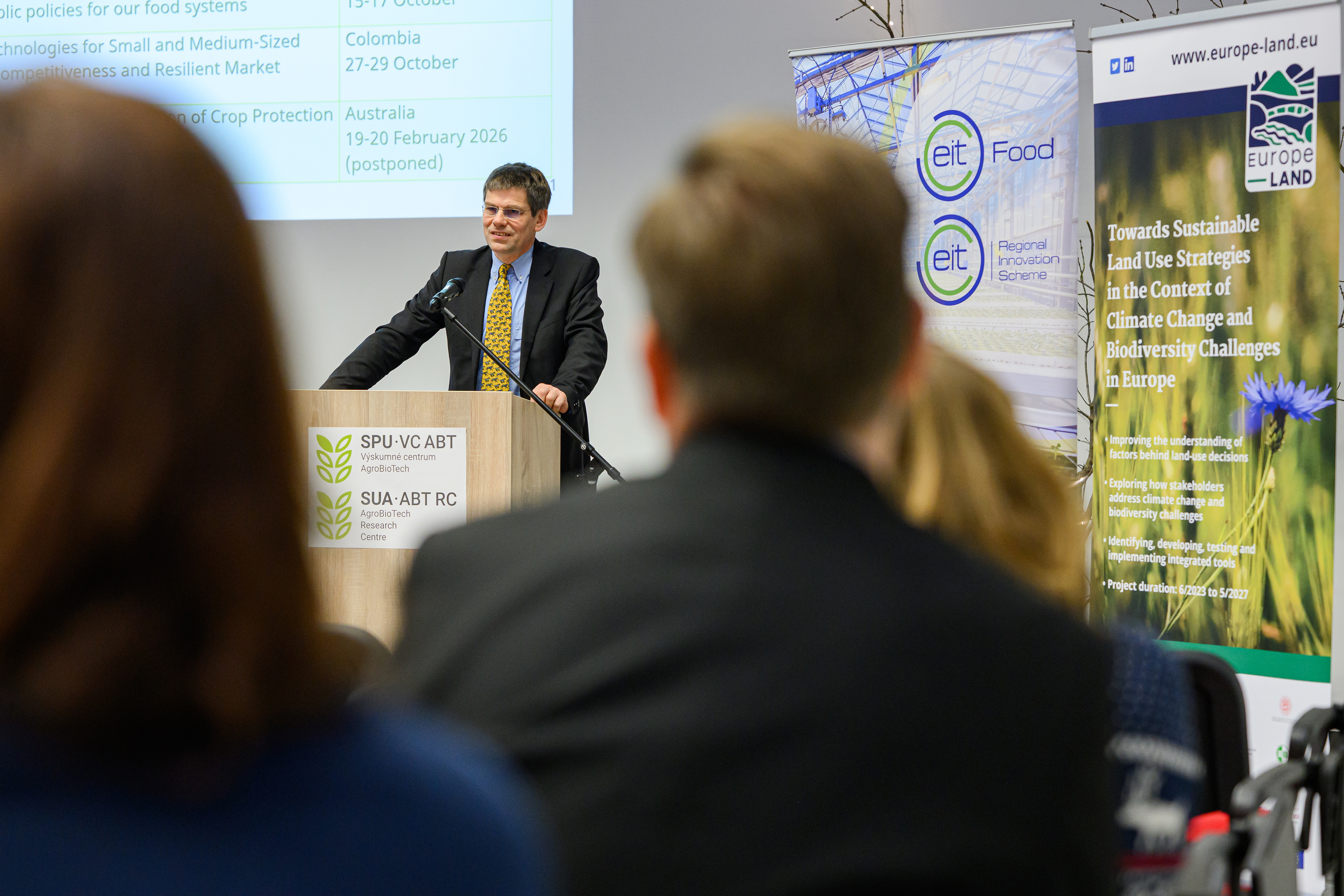
Hubertus Gay outlined the challenges that lie ahead for Slovakia in agriculture. “The main challenge is to increase productivity while maintaining prices on agricultural markets, to ensure food security, and to strengthen the resilience of food systems. Slovakia will need to focus on scientific and technological innovations, the introduction of new production methods, and active negotiation and argumentation in shaping the new CAP,” he said. The CAP will target emission reductions, including the development of a methodology for emissions trading. A new methodology for the use of biopesticides is expected to support the growth of organic farming and the sustainability of livestock production, with a focus on issues such as animal welfare and emissions. Another priority will be supporting generational renewal in agriculture by assisting young farmers.
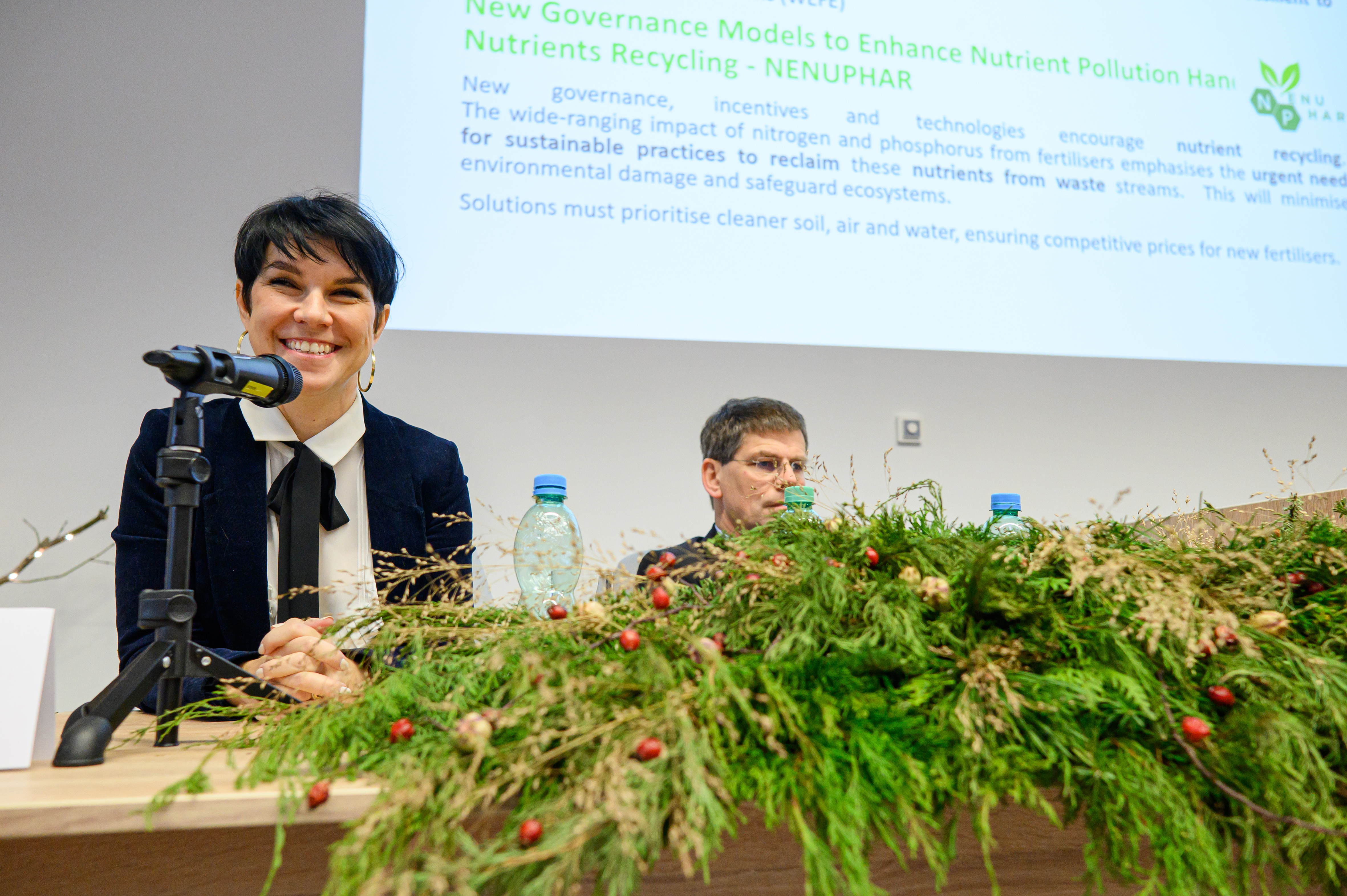
The OECD marks the 65th anniversary of its founding on 14 December and currently comprises 38 member states. The Slovak Republic became a member of this international organisation on 14 December 2000. “Slovakia is exceptionally active within the OECD. A sign of the maturity of our membership is that we have moved from receiving knowledge and experience from other countries to sharing our own—whether from transformation processes or the challenges we face,” noted K. Gendová Ruzsíková. She also highlighted the strong cooperation between the OECD and SUA in Nitra. A framework document on mutual cooperation has been signed, strengthening international mobility and enabling the exchange of SUA trainees to the OECD, as well as the exchange of senior researchers. “Student internships are open to Master’s and PhD students,” she added.
Cooperation with SUA takes place on various expert levels. For example, several SUA specialists are members of OECD working groups focused on the social economy or functional rural areas. SUA has also participated in project calls from the OECD Co-operative Research Programme (CRP). In 2015, an international conference on rural development titled
Sustainability of Rural Areas in Practice was co-funded by the OECD at SUA, followed in 2021 by a conference on agriculture as an actor of social inclusion – Agasi. This year marked the 5th edition, and the event has become a recognised forum where key stakeholders, ministry experts, academia, regional representatives, and practitioners meet to discuss social economy topics with a focus on agricultural entrepreneurship.
Photo: Martin Havran